
WELCOME TO THE WORLD OF BEES
ARTICLES
We have put together a variety of articles pertaining to bees
ARTICLES PUBLISHED ABOUT US
About Bee Products
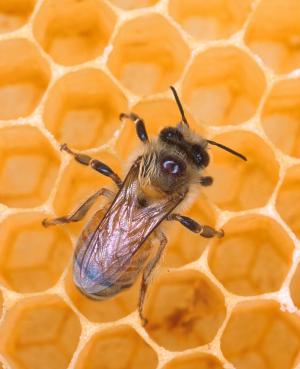
Bee products constitute one of the most widely applied groups of natural products used by human beings from since ancient times. Honeybees are master chemists and chemical engineers. Their success in the animal kingdom is largely due to the chemistry and application of their products: honey, beeswax, bee venom, propolis, pollen, and royal jelly are all chemically synthesised by the bees themselves. Honey, propolis and pollen are derived from plants and are modified and engineered for the bees’ own use. Use of these products explains the amazing honeybee success.
Honey is used as a stable, reliable food source that serves during times of shortage, enables the bees to warm up their nest during cold weather, and has allowed them to become perennial species that can exploit virtually any habitat in the world.
Beeswax is used as a pliable, stable and moisture-proof material with which to construct nests, to store honey safely and to rear broods.
Venom gives honeybees the advantage of a formidable defence that is capable of stopping or deterring all except the most determined and capable of predators.
Propolis is an outstandingly good caulking used to seal the nest cavity and is also one of the best anti-microbial agents known.
Pollen, like honey, is a nutrient-rich food that can be stored in the hive indefinitely to serve as a reserve during times of shortage.
Royal jelly is a balanced food source that does not spoil readily and is used to feed bee larvae.
Honey
Honey has been the most known, discussed and widely applied bee product from ancient times to until now. It is a supersaturated solution of sugars making honey hygroscopic (moisture absorbing) and viscous. The sugar concentration plus other factors including low pH, hydrogen peroxide, and the flavonoids, phenolics and terpenes make honey an anti-microbial agent.
The main use of honey is as a flavourful sweetener and energy source. Secondary but important uses of honey are for the promotion of health and well-being. Some of these uses include aiding in the healing of wounds, serious skin burns and gastric ulcers. The basis of wound- and burn-healing properties of honey is its anti-microbial, moisturising/ fluid removal and oxygen-barrier properties.
The healing properties of honey were clearly demonstrated in a study comparing honey treatment to that of silver sulphadiazine, the standard treatment, for burn victims. The results of a study clearly showed that honey treatments resulted in much greater wound sterility, a faster rate of healing, and a faster onset of healing.1
Honey acts as an anti-microbial agent against a very wide spectrum of pathogenic bacteria (Gram positive as well as gram-negative bacteria), moulds and viruses. Based on its positive properties honey is widely used in cosmetics. It makes up 30 – 40% of certain creams used for enriching skin vitality and healing.
Pollen
In general, when compared with many standard human foods pollen is rich in protein, low in fat, and possesses a wealth of minerals and vitamins. No obvious human nutritional deficiencies are present in pollen, with the possible exceptions of vitamin B12 and the fat-soluble vitamins D and K. Pollen has a higher nutrient value than any of the foods with which it was compared. In terms of protein value pollen ranked number two, and was above beef on this score. The overall conclusion is that pollen is a food source par excellence, probably not exceeded by any other food.
The one caveat is that pollen is much too expensive to be considered a primary food, while consumption of large quantities can cause adverse effects. However, this does not preclude pollen from being an excellent food supplement that can enhance the health and well-being of individuals, especially those who might otherwise have an unbalanced diet.
Pollen and pollen products have been shown to have several beneficial applications for human use. It has been successfully used for the treatment of some cases of benign prostatitus2-6 and for oral desensitisation of children with pollen allergy.7
Propolis
Propolis is plant resin collected by bees for use in and around the hive. In plants it forms the sticky coating around buds that serves to protect them from the elements as well as from attacks by bacteria, fungi, moulds and viruses. These properties, which are useful to the bees, are enhanced by the sticky nature of the propolis.
Much work has been done on the chemistry and properties of propolis, with hundreds of chemical compounds having been identified. The main chemical classes present in propolis are flavonoids, phenolics, and various aromatic compounds.
Propolis is considered to be the natural product with the highest anti-microbial activity acting against the widest spectrum of bacteria, fungi and viruses – even more than that of honey. It has been called the optimal natural antibiotic.
Propolis also has an anti-inflammatory effect, tumour cytotoxicity and anaesthetic effect.
Royal Jelly
Royal jelly is a creamy product secreted by young nurse worker bees to feed the queen, queen larvae, and other young larvae. It is totally synthesised by the bees in the gypopharyngeal and mandibular glands and is derived from the proteins and nutrients in the pollen ingested by the secreting bees.
Royal jelly consists of an emulsion of proteins, sugars and lipids in a water base. The proteins have no particularly unusual properties; their main function is to provide the growing larvae or the queen with a readily digested source of protein. The remainder of the composition, with the exception of the lipids, also appears to be oriented toward providing a balance of nutrients for the queen and larvae.
For humans, royal jelly is an appealing creamy emulsion that is strongly anti-bacterial. These properties make it an ideal component of cosmetic and skin care products. Internal uses of royal jelly are less promising and there have been reports of adverse reactions, suggesting that caution should be exercised when ingesting it.8
Bee Venom
Bee venom is synthesised by honeybees for only one purpose – as a defence against predators, primarily large mammals and other vertebrate predators. In order to be of value as a defence the venom must induce pain, cause damage, or have some other pharmacological or sensory action on the potential predator.
Bee venom, unlike many other insect allomones or chemical defenses, is water and not fat soluble, and must be injected or applied to moist tissue to be active.
Mankind has used bee venom primarily for apitherapy to treat a variety of autoimmune diseases – recently immunotherapy has been used to treat bee sting-allergic patients. Bee venom therapy (BVT) has been particularly successful in individuals suffering from rheumatoid arthritis, gout, and multiple sclerosis. In addition, other immune disorders including scleroderma and asthma have been treated in this way. BVT is one of the major apitherapy concepts involving the use of bee products for curing human diseases. A comprehensive review of bee venom therapy was published by Cherbuliez in 1997.9
Beeswax
Beeswax is synthesised by the honeybees in four pairs of glands and is used as their primary building material for making combs for rearing their brood and for storage of honey and pollen.
While beeswax has many industrial uses it is not a significant apitherapy product. Beeswax is an important ingredient in ancient and modern cosmetic products.
Without these unique products it is likely that honeybees would be different from their ancestors, namely solitary bees with each female bee, during a brief season, providing a few cells with pollen and nectar for the next generation.
Conclusion
Bee products are natural, and although originally produced to be used by the bees themselves, humans use them successfully in a wide spectrum of applications. This is clear-cut proof that in nature we can find all we need for our life, health and the curing of illness.1
References:
1.Subrachmanyam M. Typical application of honey in treatment of burns. Br J Surg 1991; 78: 497-498
2.Denis LJ. Chronic prostatitis. Acta Urol Belg 1966; 34: 49-55
3.Ask-Upmark E. Prostatitis and its treatment. Acta Med Scand 1967; 181: 355-357
4.Hayashi AU, Mitsui J, Yamakawas H. Clinical evaluation of cernilton in benign prostatic hypertrophy. Hinoykika Kiyo 1986; 32: 135-141
5.Samochowiec L, Dutkiewicz T, Wojcincki J, Gieldanwoski J. The influence of pollen extracts (cernitin GBX and cernitin T60) on allergic reactions. Phytother Res 1992; 6: 314-317.
6.Rugendorff EW, Weidner W, Ebeling L, Buck AC. Results of treat-ment with pollen extract ( cernilton N) in chronic pro statitis and prostatodynia. Br J Urol 1993; 71: 433-438.
7.Wortmann F. Oral immunotherapy. In: Steffen C, Ludwig H, eds. Clinical Immunology and Allergology. Amsterdam: Elsevier/North-Holland, 1981: 389-398
8.Schmidt JO. Bee products, chemical composition and application. In: Mizrahi A, Lensky Y, eds. Bee Products: Properties, Applications and Apitherapy. London: Plenum, 1997: 15-26.
9.Cherbuliez TH. Bee venom in treatment of chronic diseases. In: Mizrahi A, Lensky Y, eds. Bee Products: Properties, Applications and Apitherapy. London: Plenum, 1997: 213-220
Medicine from the Bees
Bee Pollen
- Scientifically Established Miracles of Bee Pollen
- The Perfect food
- Bee Pollen Article
- The Use of Bee Pollen as a Superfood
Scientifically Established Miracles of Bee Pollen
Medical Miracles of Bee Pollen from Gary Null’s website
A doctor wrote about a five year old child: “This is a severely developmentally delayed floppy child whose differential includes a structural abnormality in the brain or a genetic abnormality, some of which may be diagnosed by chromosome analysis or genetic screen.”
Parent’s tried every possible approach with no improvement. The Easter Seals Rehab Center listed the child as “(1) Severe receptive and expressive speech/language delay; (2) Immature neuromotor functioning; (3) Delay in development of play/cognitive skills; (4) Questionable hearing acuity/perception; (5) Severe delays in all areas of development; (6) Severe hypotonia.”
Her mother began to give Bee-Young tablets, and slow progress began: lost rag-doll floppiness, clung to mother when held. Later noted that her eyes fixed on colorful objects with interest; able to scoot body forward while sitting on couch; rolled over for the first time; reached with operational arm for articles; skin color better; able to drink from cup. Improvement continued onward: Colleen is alert and interested in things around her – this fact alone is “medically impossible”- and is beginning to speak- she smiles and laughs, loves hugs and kisses. For more from Gary Null and this article please click here
How to Use Bee Pollen
Each golden granule is densely packed with live enzymes, just about every nutrient that has a name, and some elements that science has not yet identified or labeled. Your digestive system may not be accustomed to such intensely rich food. If you are a beginner, introduce bee pollen into your diet slowly, a granule or two at a time. Don’t cook with the granules or add powdered granules to anything that requires heat. Heat destroys the live enzymes and reduces the nutrient value. Otherwise, the sky’s the limit.
You can: Powder an ounce or two of granules and add cinnamon to taste. Cinnamon adds a delightful spiciness and aroma to the sweetness of pollen Stir powdered granules into vegetable juices, or even into water sweetened with raw honey. Whirl the powder into salad dressings. Sprinkle whole or powdered granules on toast topped with peanut butter.
Before taking a full dose of pollen it is very important to test for a possible extreme allergic reaction by ingesting just one pellet. Then gradually build up over a week or so to the correct dose.
The optimal dose of pollen varies with individual needs. For allergy prevention all that is required is about one teaspoon per day. You should gradually increase your dose to one tablespoon. It will give about five grams of protein which is a good addtion if you already have some proteins in your meal, such as a legume dish.
Since your pollen is really a type of food and there are some fats in it. It is important to keep it refrigerated.
Bee Pollen for your Pets
Bee pollen was fed to hundreds of animals over a period of two years by scientist-researcher Dr. Remy Chauvin of the Institute for Bee Culture in Bures-sur-Yvette, France. Reporting to the French Academy of Medicine in 1956, Chauvin said, there were no side effects in the test animals. Furthermore, the use of bee pollen gave the animals increased vitality and improved “powers of reproduction” because of boosted fertility.
Beware of imported bee pollen: Virtually all of the major U.S. manufacturers of Bee Pollen have switched from selling domestic U.S. Bee Pollen to inexpensive imported pollen from China and Spain. These pollen are often heat processed and dehydrated to facilitate easy storage and increased shelf life. Unfortunately, heat destroys the bioactivity of nutrients and enzymes which are an important component of Bee Pollen. Granules of fresh bee pollen are semi-moist. When you buy Bee Pollen it is important to refrigerate the product.
http://www.alternativescentral.com/beepollen.htm
Introduction
- The science involving the study of Bee Pollen is known as Palynology.
- Bee Pollen is one of the richest and purest natural foods ever discovered, and the incredible nutritional and medicinal value of pollen has been known for centuries.
- Pollen grains contain the male germ cells (elements) that are produced by all plants, flowers or blossoms. This is essential in order to ensure that plant life throughout the world continues by a process involving fertilization and plant embryo formation.
- One teaspoonful of pollen contains approximately 1,200 pellets or 2.5 billion grains, each of which has the capacity to supply those factors that are necessary in order to fertilize and reproduce the particular species that it represents (such as a fruit, grain or tree). Pollen is composed of myriads of microspores that are produced in the anthers of flowers and in the cones of conifers. Each grain measures approximately .002 inches in diameter (although the representative diameter is somewhere near one-half millimeter), and each bee-collected pellet contains approximately two million grains of pollen.
- Pollination consists of the transfer of pollen from the anther of a stamen to the stigma of a pistil. This, in turn, produces a fertilization of the ovules in the ovary, which subsequently develops into the growth of seeds. A single spike of Ragweed or a single strobile of Pine may produce up to six million grains of pollen, and as many as four million grains may be found in a head of rye. Many plants are pollinated by wind, rain or water-currents, while colorfully attractive or scented flowers containing nectar are largely pollinated by insects (including flies, bees, wasps, butterflies, beetles and moths).
- Pollen gathered by bees is superior to that obtained directly from flowering plants. The bees are extremely discriminate about selecting the best pollen from the millions of grains that are present. Of these, only two types are found, namely, anemophile pollen grains (which are not collected by bees, and produce allergic reactions) and entomophile pollen grains (which are collected by bees, and possess greater nutrient content). In actuality, entomophile pollen grains have been employed in the successful treatment of airborn pollen allergies. It is apparent that the bees only select those grains of pollen that are rich in all the nutrients, especially nitrogenous materials. The bees mix the pollen grains with a sticky substance that is secreted from their stomachs, which allows the pollen to adhere to their rear legs in “pollen baskets” in order to safely transport it to their hives.
- Many other flowers are also pollinated by certain birds, such as sunbirds, honeycreepers, lorikeets and hummingbirds. Marsupials (such as honey “mice” and bats) will also pollinate certain flowering plants, and even snails have been observed transporting pollen.
- Pollens are usually designated by their flower origin in order to establish certain preferences that are dependable. The color and shape usually indicates the species of plant from which it was obtained, as well as the specific geographical region. Although the color of pollen is normally unimportant, it will range from golden yellow to black according to its source. Pollen contains many varieties of pigments, of which only a small number have been isolated. Certain pigments are water-soluble, while others are fat-soluble. This accounts for the many varied colors of honey (including the ambers and greens), and the yellow of beeswax is a fat-soluble pigment.
Composition Of Bee Pollen
Pollen contains the richest known source of vitamins, minerals, proteins amino acids, hormones, enzymes and fats, as well as significant quantities of natural antibiotics. Most of the known vitamins in pollen exist in perfect proportion, which further enhances their value.
There exists anywhere from 5,000 to 9,000 micrograms of active carotenoids, which are converted into vitamin A in the body. The carotenoids are available in the pollen of insect-pollinated flowers, but are missing from wind-pollinated species. Carotenoids (Provitamin A) are present in the Lipochrome fraction (which are xanthophyll esters), and may range from 50 to 150 micrograms per gram. The pollens richest in carotene may contain 20 times as much as is present in an equivalent weight of carrots, thereby making pollen a good source of Provitamin A. The carotenoids are usually combined with the outer layer of the pollen grain (the sporonine), but some may also be bound to the protein of the pollen cell. In addition to the class of carotenoids, there is another group of pigments found in pollen, namely, the flavin pigments (flavones, flavonols). Furthermore, cytochromes also occur in pollen.
The following quantity of B-Complex vitamins are found in one gram (1,000 milligrams) of fresh raw pollen:
| Vitamin B1 (thiamine) | 9.2 mg. |
| Vitamin B2 (riboflavin) | 18.5 mg. |
| Vitamin B6 (pyridoxine) | 5.0 mg. |
| Nicotinic acid | 200.0 mg. |
| Pantothenic acid | 27.6 mg. |
| Folic acid | 5.0 mg. |
- These amounts should be increased by 20 to 25 percent for all varieties of dry pollen. All forms of bee pollen contain higher amounts of vitamins B1, B2 and E than found in fruits, berries and green vegetables.
- One gram of fresh raw pollen contains from 7 to 15 mg. of vitamin C, along with traces of vitamin E (tocopherol).
- Although vitamin K does not exist in mixed pollens, it is usually found in fermented pollen (bee bread). It is most likely created by bacteria that either accompany or assist in the fermentation process whenever pollen is stored in the cells of the combs. While ordinary pollen gradually deteriorates while in storage, bee bread closely resembles fresh pollen and retains its food value (even after more than two years).
- Pollens usually contain as much as 17 milligrams of rutin, although beehive stored pollen may contain up to 13 percent. The richest supply of rutin is found in buckwheat pollen, due to the fact that rutin is derived from buckwheat. Daily consumption of from 60 to 70 grams of pollen is considered safe insofar as the intake of rutin is concerned.
- Various other vitamins found in pollen include B5, B12, D, biotin, inositol and PABA.
The mineral content of bee pollen is as follows:
| Calcium | 1 to 15% of ash (10.5% average) |
| Chlorine | 1% of ash |
| Copper | .05 to .08% of ash |
| Iron | .01 to .3% of ash (.07% average) |
| Magnesium | 1 to 12% of ash (6.7% average) |
| Manganese | 1.4% of ash |
| Phosphorus | 1 to 20% of ash (13.6% average) |
| Potassium | 20 to 45% of ash (20.7% average) |
| Silicon | 2 to 10% of ash |
| Sulfur | 1% of ash |
- The total mineral ash in pollen may vary from 1 to 7 percent (with a mean average of 2.7 percent), which is similar to that of grains and certain seeds.
- Bee pollen contains up to 59 different trace minerals, and all minerals found in pollen are present in a highly digestible form.
- The protein content of pollen (including certain peptones and gloculins) ranges from 10 to 35 percent (according to its plant origin), with a mean average of 20 percent. Forty to fifty percent of this may be in the form of free amino acids. All pollens contain the exact same number of 22 amino acids, yet different species produce varying amounts. The amino acids found in whole dry pollen fluctuate between 10 and 13 percent (26.88% protein or albuminous substances). This equals from 5 to 7 times the amino acids found in equal weights of beef, milk, eggs or cheese.
The following are protein content comparisons between pollen and “complete protein foods” (100 grams edible portion):
| Isoleusine | Leusine | Lysine | Methionine | |
| Meat (beef) | 0.93 | 1.28 | 1.45 | 0.42 |
| Eggs | 0.85 | 1.17 | 0.93 | 0.39 |
| Cheese | 1.74 | 2.63 | 2.34 | 0.80 |
| Pollen | 4.50 | 6.70 | 5.70 | 1.82 |
| Phenylalamine | Threonine | Tryptophane | Valine | |
| Meat (beef) | 0.66 | 0.81 | 0.20 | 0.91 |
| Eggs | 0.69 | 0.67 | 0.20 | 0.90 |
| Cheese | 1.43 | 1.38 | 0.34 | 2.05 |
| Pollen | 3.90 | 4.00 | 1.30 | 5.70 |
The quantitative analysis of amino acids (per 100 parts of dry matter) is as follows:
| Arginine | 5.3% | Methionine | 1.0% |
| Histidine | 2.5% | Phenylalamine | 4.1% |
| Isoleucine | 5.1% | Threonine | 4.1% |
| Leucine | 7.1% | Tryptophane | 1.4% |
| Lysine | 6.4% | Valine | 5.8% |
- hese are the amino acids that are most indispensable in our daily diet, and which cannot be manufactured or synthesized in our system. They are also derived from natural sources in a usable form.
- Approximately 35 grams of pollen each day will supply all the body’s protein requirements. However, only 25 grams of pollen ingested daily will sustain a person in terms of providing sufficient amounts of each of the essential amino acids.
- The albuminous substances in bee pollen consist of albumine, globuline, guanine, hypoxanthine, lecithin, nusleine, peptone, vernine and xanthine.
- The body will more effectively utilize the protein in food if there is a larger selection of amino acids available.
- Bee pollen contains from 10 to 15 percent natural sugars, including fructose, glucose, pentose, raffinose, stachyose and sucrose. These are essentially the same simple natural sugars that are found in honey, and which exist in easily-digested chains and bonds. Many are converted to a predigested form by the enzymatic action of the bee’s salivary glands.
- The total content of natural sugars in pollen range from 30 to 40 percent; glucose, from 25 to 48 percent; reducing sugars, from 7.5 to 40 percent; and non-reducing sugars, from 0.1 to 19 percent. The non-reducing sugars in the bee-collected pollen average 2.7 percent while the reducing sugars range from 18 to 41 percent, with a mean average of 25 percent. However, the values for both reducing and non-reducing sugars in hand-collected pollen may be approximately the reverse of this. In hand-collected pollen, reducing sugars range from 0 to 7.5 percent and non-reducing sugars may be as much as 22 percent.
- Pollen may also contain up to 44 percent of carbohydrates or glucides. The starches found in bee pollen are sometimes combined with other carbohydrates, and may average anywhere from 1 to 22 percent.
- The highly-resistant exterior wall membranes of pollen are composed of sporonine and cellulose. This complex carbohydrate is unextractable from pollen, and ranges from 7 to 57 percent in various species.
- The undetermined percentages of pollen that remain after the removal of water (or moisture), ash, sugars, starch, protein and ether extracts consist primarily of the pollen shell (or sporonine). This ranges from 21 to 35 percent in bee-collected pollen, with a mean average of 28.55 percent. However, the average is approximately 57 percent for hand-collected pollen.
- Although various other extractives may range from 1 to 25 percent in pollen, fats and oils may constitute only 5 percent. In some cases, the levels of fatty acids in pollen are about 5.8 percent. However, hexadecanol has been found in amounts totalling about 0.14 percent of pollen weight. In addition, alpha-amino-butyric acid has been identified in pollen fat. Furthermore, the unsaponifiable fraction of pollen weight may total as much as 2.6 percent.
- In addition bee pollen also contains lecithin, amines, nuclein, guanine, xanthine, hypoxanthine, vernine, waxes, gums, resins, hydrocarbons (0.57%), sterols (0.6%), polypeptides, DNA, ribose, desoxyribose, hexuronic acid, vegetable oils (5% average) and various growth factors.
- Certain enzymes are also present in pollen, and are the essential biological catalysts during the digestive process (pollen also aids in the proper digestion of other foods). The enzymes found in bee pollen include amylase, catalase, cozymase, cytochrome, dehydrogenase, diaphorase, diastase, lactic acids, pectase and phosphatase. A mixture of fresh pollen may contain anywhere from 500 to 1,000 micrograms of cozymase per gram, which compares favorably with the amounts found in yeast. In addition, the alcoholic fermentation of pollen is identical with that of yeast.
- The heating of pollen will destroy the valuable enzymes and vitamin C content.
- Fungus spores are sometimes found intermingled with pollen.
- The water content of fresh pollen ranges from 3 to 20 percent. This water content must be carefully removed by proper dyhydration methods (dessication) in order to retain its fragile elements, as well as to preserve the total integrity of its properties.
- Bee pollen also contains active antibiotic substances that immediately destroy harmful pathogenic bacteria upon contact.
- Bee-collected pollen usually contains nectar and saliva. When mixed with honey, this pollen may be stored in comb cells where it undergoes a lactic acid fermentation process in order to produce “bee bread” (which contains high levels of vitamin E and K).
- Pollen is superior to both honey and royal jelly, and possesses a similar (but more stable) composition to that of royal jelly. The overall stability of bee pollen is more advantageous when used in dietetics, as well as an effective form of skin care during corrective dermatology. Since pollen contains fatty acids, this may account for its favorable effect upon the skin and dermal tissues. The anti-fungal action in human perspiration is due to the presence of certain fatty acids such as caprylic, propionic and undecyclenic acids.
- Many of the active ingredients in bee pollen consist of substances (such as hormones) that accelerate plant growth.
Medicinal Qualities Of Bee Pollen
- Many universities and colleges throughout the world are discovering the mounting evidence of high performance levels associated with the use of bee pollen.
Pythagoras, Hippocrates, Pliny and Virgil all referred to pollen’s substantial rejuvenating power, as well as its ability to retard aging.
Russia’s known centenarians were usually beekeepers whose diets included large amounts of scrap honey, which is a pollen-saturated honey residue salvaged from the bottom of beehives. - Bee pollen has a dramatic effect upon mental perception during athletic performances.
The I.Q.’s of children have been doubled during documented clinical tests, and resistance to stress has been significantly increased in both animals and humans. - Experiments by French doctors have revealed that pollen contains both natural antibiotic properties and significant growth factors. Bee pollen was used solely as a source of nutrients for prolonged periods (6 months), and displayed extremely successful results in terms of growth promotion. This growth factor usually varies according to the quantity of pollen ingested, and often produces an acceleration of growth.
- The ingestion of pollen on a regular basis for a healthy person will usually accomplish the following:
Protect against any insufficiencies in vitamins, minerals and amino acids — especially during pregnancy, lactation, and intensive physical or mental work.
2. Permit achievement of optimal physical and intellectual output.
3. Provide greater reinforcement to the body during its resistance towards any external aggression.
4. Forestall any internal metabolic disorders that eventually generate various disease-conditions. - Pollen provides those chemical substances from which are created glands, muscles, hair and vital organs. In addition, it also furnishes those essential materials that are necessary for the repair of any worn-out cells or tissues.
- Bee pollen also produces regulatory (amphoteric) activity upon the gastro-intestinal functions, both in relation to chronic constipation and certain cases of diarrhea that are highly resistant to synthetic antibiotic therapy. Furthermore, pollen regulates the intestines by destroying or weakening any harmful bacteria while simultaneously promoting the growth of health-giving species (intestinal flora).
- Bee Pollen is extremely valuable as an adaptogen by assisting in both weight gain or loss, as well as in the reduction of hypertension or increasing the overall metabolic functions. Bee Pollen both regulates and stimulates the metabolism in the human organism by supplying the missing factors (or catalysts) that other foods do not provide while neutralizing the catabolic effects of various toxins, environmental pollutants, synthetic drugs or food additives, thereby producing healthier cells, improved health and well-being and a longer life-span.
- Pollen enhances the metabolism by creating endless chain reactions throughout the entire system. The essential minerals and other natural elements in bee pollen act as catalysts, and are responsible for the assimilation of that portion of foods which would normally have been eliminated without yielding the energy, essential nutrients and other benefits (which usually occurs on a regular basis with most adulterated foods).
- Bee Pollen accelerates the normal cellular processes throughout the entire organism, and acts as a catalyst in order to stimulate intercellular metabolic activities without profoundly modifying normal physiological activity.
- The overall effects of pollen are multiple, i.e., it does not appear to possess only one specific physiological function but, rather, activates the systemic biological functions.
- Elements that exist in microgram quantities (such as those found in Bee Pollen) can interact with co-enzymes as catalysts, or can act synergistically (i.e., the elements’ action combined is greater than the sum of their actions taken separately).
- During many years of testing, pollen has been notable for its lack of harmful side-effects. Few medications rank with bee pollen in terms of its lack of toxicity. It is a completely natural product that is well tolerated by the body and compatible with all other forms of therapy. In addition, it is easy to digest and suitable for all ages. Furthermore, it provides increased protection and greater resistance against any invasive or harmful pathogenic bacteria, and provides increased and sustainable energy-levels throughout the entire organism.
- There are approximately 35,000 miles of capillaries in the human body, and pollen assists in the elimination of sludge and other waste materials that constantly accumulates in these ducts (due to stress from modern living habits, processed foods, synthetic drugs and environmental pollutants). If only a fraction of an inch of these 35,000 miles of ducts should burst in the brain, it could be fatal or else produce partial or total paralysis for the remainder of the lifespan.
- Rutin is a glucoside that provides increased resistance to the walls of the capillaries, and its primary duty is to reinforce the general resistance throughout the entire capillary system. Rutin protects the entire organism against capillary permeability resulting from excessive radiation of x-rays or consecutive histamine injections. The richest supply of rutin is found in buckwheat pollen.
- Rutin is especially beneficial to the intellectual functions, as well as in conditions involving cerebral hemorrhage or heart disorders. The actions of rutin are also vascular and slightly hypotensive, and it also acts as a diuretic. Rutin also diminishes the time of bleeding within proportions of from 30 to 40 percent, as well as shortens coagulation time. Furthermore, it corrects the capillary fragility during parturition while preventing meningeal hemorrhages in infants. Capillary resistance in pregnant women is improved by 60 percent within 10 days of the initial adminstration of rutin.
- In convalescents, bee pollen creates a rapid increase in both weight and energy-levels, and from 1 to 3 tablespoonsful should be taken daily by invalids or those in a poor state of health who require total rejuvenation (such as the elderly).
- Pollen is also successful in treating hypertonic illness, as well as disorders of the nervous or endocrine glandular systems. It produces the desired stabilizing effects of either increasing low blood pressure or reducing high blood pressure. In addition, it provides a calming and tranquilizing (sedative) effect without any contraindications or harmful side-effects.
- Bee pollen is highly recommended for both mentally-retarded and anemic children, as well as for those suffering from rickets. Test results indicate a significant increase in red blood corpuscles (up to 30 percent) and an increase in the hemoglobin count (averaging about 15 percent). When these children are given supplementary doses of pollen and glutamic acid, their overall improvement is dramatically accelerated. The action of glutamic acid reacts directly upon the brown cells of the brain. Improvement is generally observed within the first 6 months, and reaches its peak towards the end of one year. The prescribed dosage is approximately 4 grams, 3 times a day.
- Pollen contains large quantities of acetylcholine, which plays a varied and important role in the functional capabilities of the entire organism by provoking increased adrenaline secretions. It also acts as a chemical mediator for the transmission of nerve impulses, which may indicate why pollen stimulates increased glandular secretions while acting as a tonic to the entire nervous system.
- By stimulating the secretion of hormones from the adrenal cortex, bee pollen assists in regulating (1) salt and water metabolism, (2) neuromuscular function, (3) carbohydrate, fat and protein metabolism, (4) resistance to many physical and chemical agents or infections, and (5) increased activity upon hair growth, skin and sexual functions (including the improvement of secondary sexual characteristics).
- Pollen also stimulates both adrenal and liver secretions in order to allow the liver to secrete additional quantities of glycoge, thereby elevating the blood sugar levels (which greatly benefits those with symptoms of hypoglycemia).
- Allergy attacks brought on by pollen are normally produced by wind-carried pollens, and not by bee-collected pollens. Wind-generated pollens usually stimulate a cleansing process throughout the entire respiratory tract, especially among those who consume excessive quantities of mucus-producing foods during the winter months.
Bee pollen may be safely administered by everyone, even those persons who are prone to allergies such as hayfever, as they will usually suffer no ill-effects. Allergenic properties are always neutralized by the nectar and enzymes secreted by the bees. Raw honey has been specifically recommended by many professional allergists as having an immunizing effect upon the majority of pollen-stimulated allergies. This is usually a direct result of the pollen and related substances that are found in both unfiltered and uncooked honey which, when ingested, form a natural oral immunization against allergies. - In Sweden, pollen extracts or concentrates are obtained from two different types of extracts, namely (1) hydrosoluble cernitin (T60), and (2) lipoidsoluble cernitin (GBX1). There are 60 mg. of cernitin T60 and 3 mg. of cernitin GBX1 in “cernilton”, which is unsurpassed in preventing and reducing common virus infections and related infectious conditions (due to its interferon activity). These pollen extracts are capable of penetrating cell walls, thereby being directly absorbed into the cells. This allows them to directly stimulate interferon production, thereby increasing the normal resistance against virus attacks (such as influenza and other viral infections). Vaccines are ususally only effective against viral attack from one specific virus, however, protection is normally afforded against most types of viruses when the cells are stimulated to produce interferon. Bee pollen also produces significant increases in both leukocytes and epitrocytes. The natural antibiotics found in pollen (of which penicillin is merely a prototype) will prevent the growth of certain microorganisms.
- Additional medical properties found in pollen include: (1) bacteriostatic (arrests the growth of harmful pathogenic bacteria), (2) cytophylactic and cytotoxic (cellular defense against infection and toxins), and (3) anti-anorexic (stimulates increased appetite, but only for those who lack it).
- Pollen is highly successful in removing the symptoms of vegetative dystonia accompanied by a predominance of thyrogenous symptoms.
- Bee pollen also displays an effect similar to that of the drug amphetamine in that it acts as a “psycho-tonic”. However, it does not manifest any depressive side-effects.
- Pollen allows significantly increased amounts of oxygen to reach the brain and the cells in general, thereby resulting in improved overall health and mental capabilities.
- Pollen will also accelerate increased tissue repair throughout the entire organism, thereby making it extremely effective in the removal of scar tissue following surgical operations.
- Bee pollen displays amphoteric (regulatory) properties in order to restore equilibrium and harmony to all the bodily functions.
- Pollen will reduce any excess body weight during conditions involving obesity or overweight, while increasing body weight during any underweight conditions.
- Bee pollen is extremely effective in small doses, and its overall effects are usually quite prolonged.
When employed either alone or combined with other therapies, pollen has been extremely successful for the following ailments or disease-conditions:
| Acne | Infartus |
| Aging (premature) | Infections |
| Alcoholism | Infection, Intestinal |
| Anemia | Insomnia |
| Angina Pectoris | Instability |
| Anorexia | Intestinal Disorders |
| Anxietyleukemia | Intestines, Inflamed |
| Appetite, loss of | Jaundice |
| Arteriosclerosis | Kwashiorkor |
| Asthma | Leukemia |
| Atherosclerosis | Liver Disorders |
| Brain Infection | Longevity |
| Bronchitis | Measles |
| Buerger’s Disease | Memory, Loss of |
| =Burns and Scalds= | Menopause |
| Cancer | Mental Retardation |
| Capillary Fragility | Migraine Headaches |
| Cardiovascular Dis. | Mucus, Bloody |
| Cavities | Multiple Sclerosis |
| Cerebral Hemorrhage | Nervous Disorders |
| Climacteric Disorders | Neurasthenia |
| Colitis | Parkinson’s Disease |
| Convalescence | Premature/Malnourished |
| Constipation, Chronic | Protatitis, Chronic |
| Debility, General |
Psycho-Neuralgic Disorders |
| Depression | Psychosis |
| Diabetes | Pyelonephritis |
| Diarrhea, Chronic | Pyurea (Pus in Urine) |
| Diverticulosis, Sigma- | Rheumatism, Articular |
| Dysuria | Rheumatoid Arthritis |
| Enteritis | Rickets |
| Enterorenal Disorders | Sexual Disorders |
| Enuresis | Sinusitis |
| Fatigue (Ocular) |
Stress, Effects of |
| Fever, Intermittent | Teeth, Impaired Growth of |
| Flatulence | Tuberculosis |
| Gangrenous Wounds | Ulcers (Digestive/Peptic) |
| Growth (Stunted) | Urinary Disorders |
| >Hair Loss | Weakness, Bodily |
| Hayfever | Weight Gain |
| Headaches, Chronic | Weight Loss |
| Impotence | Withdrawal Symptoms |
Bee pollen also greatly assists the following physiological functions:
accelerates the growth of healthy new cells
promotes increased tissue repair
enhances greater toxic elimination
reduces excessive cholesterol levels
increases low blood pressure
reduces high blood pressure
promotes increased resistance to infection
activates the glands of internal secretion
stimulates increased gastric secretory flows
stabilizes the entire nervous system
improves fertility in women
retards the growth of benign or malignant tumors
eliminates excessive calcium deposits
expels excessive uric acid accumulations
shortens the convalescence time-period
restores normal and healthy appetites
promotes increased growth of skin tissue
counteracts skin wrinkling
regulates all the systemic biological functions
increases calmness and relaxation
retards normal aging effects
promotes increased concentration/memory improvement
retards premature senility
prolongs youthfulness
enhances sexual activity
promotes increased strength, vigor and vitality
provides increased stamina, endurance and energy-levels
promotes a more optimistic outlook on life
provides an overall feeling of well-being
Miscellaneous Aspects Of Bee Pollen
- Bees usually secrete a substance from their stomachs in order to allow the individual pollen granules to stick together and eventually form pellets that will adhere to their rear legs (“pollen baskets”). This secretion will transform the various pollens into an active product containing different forms of diastase.
- Pollen grains are intricately designed so that they become virtually immune from decay under certain anaerobic conditions. Pollen must be completely dehydrated in order to prevent spoilage. Air-dried pollen will eventually wrinkle, and its nutritive value will decline with age. However, “bee bread” pollen closely resembles fresh pollen in both appearance and food value even after 1 or 2 years.
- Pollen/honey cakes can be created by kneading six or seven layers of pollen and honey together, and then spreading it out to dry thoroughly. It is then sliced into strips (roughly 5 inches long) and allowed to dry for from 3 to 4 days, and then stored for future use as survival food during famines, crop failures or drought.
- By combining the pollen with the honey, the pollen becomes incapable of deterioration or decay while it is immersed within the honey. Bacteria cannot thrive in a honey medium, due to its hygroscopic (anti-moisture) properties. By storing this combination of pollen and honey beneath a pyramid structure, both the pollen and honey will remain pure and intact for many years through a process known as mummification.
- It is possible to imitate the bee’s method of storing pollen by creating an artificial form of “bee bread”. This is accomplished by dissolving 15 pounds of honey into 25 pounds of water, which is brought to a boil and then immediately cooled. Add 100 pounds of air-dried pollen to this solution. The resultant blend is mixed and kneaded by hand or with a suitable blender, and is then placed into a crock jar where it is lightly tamped. The contents are covered with a wooden disk supporting a stone weight. After standing at a temperature of from 96 to 97 degrees Fahrenheit for from 4 to 6 days, the wooden disk and weight are removed. The crock is then sealed with a melted mixture of one part beeswax and three parts paraffin. This jar is then stored in a cool, dry place.
- The maximum amount of pollen that can be collected from a single beehive is approximately 200 grams (one gram comprises 125 pellets). By placing a five-pound jar of honey inside the hive, the amount of pollen that can be harvested will nearly double. This five-pound container allows the bees to have a constant supply of honey readily available to supply the needs of their colony, thereby allowing them to devote more time and energy in the search for pollen.
- Bees will not only avoid toxic plants (including those sprayed with harmful pesticides), but they also seek those plants that contain the highest nutritional values.
- It is impossible to remove too much pollen from the ecological system. The more pollen that is harvested allows even more to be produced, so this is one of the most productive cycles in existence.,/li>
- A dosage of from 15 to 20 grams (one-half ounce) will usually meet the Recommended Daily Allowance (RDA) for adults. Approximately 30 to 32 grams are necessary in order to anabolically strengthen and tone a person, whereas anywhere from 15 to 20 grams are essential for the proper maintenance of good health in active adults.
- Children from 3 to 5 years of age require 12 grams of pollen, while those from 6 to 12 years need 16 grams daily.
- The daily dose can be increased up to 35 grams (1 ounce equals 28 grams), considering the differences in age, weight and overall state of health. This dosage will also provide greater preventative maintenance against a lack of essential amino acids.
- Do not begin using bee pollen with a dose larger than 1 tablespoonful, twice a day. After one week, gradually increase the dosage from 1 tablespoonful up to 4 tablespoonfuls (1 tablespoonful equals approximately one-fourth ounce). One ounce of bee pollen (4 tablespoonfuls) is equivalent to three cooked meals in terms of nutrient content. While this small dosage acts as a mild hypotensive, it also possesses stimulant properties and may upset your gastro-intestinal system if taken in large quantities during the initial stages (due to its powerful cleansing effects).
- Pollen should be ingested preferably on an empty stomach, and there is no danger of toxicity from ingesting it (as it is an unadulterated product).
- Pollen gathered for human consumption requires careful processing techniques, including drying, cleaning and sorting. Bee pollen should be selected for its quality and flavor, especially since the amount of flavor in any given food usually determines the levels of nutrient content. Proper processing requires meticulous handling, and poor quality pollens (that are inexpensively priced) should always be avoided. The overall taste of bee pollen ranges from bitter to sweet, depending upon the particular variety or species of flower from which it was obtained.
- Pollen should be kept refrigerated or stored in a cool, dry place at all times in order to protect its vital qualities. Cooking is not advisable, due to the destruction of essential enzymes caused by excessive heat.
- Bee pollen should be consumed in its pure form at least 30 minutes before meals, especially if it is being used for the purpose of losing excess weight. It can also be mixed with honey, thereby producing a candy substitute if made into cakes and dried under direct sunlight. Pollen also becomes a healthy substitute for mother’s milk when combined with nut milks, such as almond milk. It can also be blended into fruit or vegetable dressing, or you can dissolve pollen in your favorite herb tea, fruit or vegetable juice (e.g., pineapple and tomato juice blend well together). Pollen may also be sprinkled onto ice cream, granola, sandwiches or salads, or take a banana and dip it directly into the pollen. You may also wish to dissolve 1 teaspoonful of pollen and 1 teaspoonful of honey in a cup of hot water and drink before breakfast.
- Pollen may be consumed in its natural pellet form, or it may be pulverized by the use of a blender or coffee grinder in order to incorporate it into butter, jam, or a mixture of butter and honey.
- Bee Pollen should never be purchased in powder, tablet or capsule form, as any commercial pulverizing process of pollen is usually accompanied by a certain amount of adulteration.
- Pollen will usually ferment within 24 hours if it is moist and not refrigerated. Heat will normally decrease the health value of bee pollen, as is the case with nearly all foods.
Complete List of Ingredients
| Vitamins | Mg Per Oz. |
| Vitamin A | Alpha .31/Beta .122 |
| Vitamin B1 | .198 |
| Vitamin B2 | .459 |
| Vitamin B3 | 2.551 |
| Vitamin B6 | .119 |
| Vitamin B12 | .00002 |
| Vitamin C | 1.304 |
| Barium | .136 |
| Boron | .604 |
| Calcium | 42.383 |
| Chromium | .010 |
| Copper | .221 |
| Iodine | 6.237 mcg |
| Iron | 2.118 |
| Magnesium | 27.675 |
| Manganese | 1.395 |
| Phosphorus | 121.706 |
| Potassium | 158.675 |
| Sodium | 2.693 |
| Strontium | .094 |
| Zinc | 1.460 |
| Miscellaneous | |
| Carbohydrates | 5.15 grams |
| Fiber | 1.02 grams |
| Reducing Sugars | 8.25 grams |
| Ash | .65 grams |
| Enzymes | Units Per Gram |
| Amylase | 2.550 |
| Lipase | .085 |
| Protease | 64.400 |
| Amino Acids | Mgs Per Oz. |
| Alanine | 309.560 |
| Arginine | 292.520 |
| Aspartic | 542.440 |
| Cystine | 36.855 |
| Glycine | 267.520 |
| Glutamic | 585.040 |
| Histidine | 138.590 |
| Isoleucine | 230.040 |
| Leucine | 377.720 |
| Lysine | 366.360 |
| Methionine | 94.004 |
| Phenylalanine | 236.850 |
| Proline | 505.520 |
| Serine | 289.680 |
| Threonine | 236.856 |
| Tryptophan | 49.700 |
| Tyrosine | 139.440> |
| Valine | 280.592 |
| Protein | 7.1 Grams Per Oz. |
| Calories | .90 Per Oz. |
| FattyAcids | 2.807 Grams/Oz. |
| Cholesterol | 0 Percent |
Bee Pollen
http://www.texasdrone.com/Bee-Pollen.htm
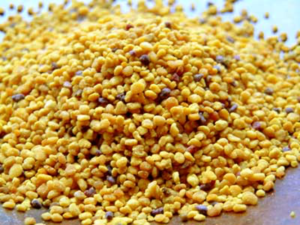
Bee pollen is the male seed of a flower blossom that has been gathered by the bees and to which special elements from the bees has been added. The honeybee collects pollen and mixes it with its own digestive enzymes. One pollen granule contains from one hundred thousand to five million-pollen spores each capable of reproducing its entire species.
Bee pollen is often referred to as nature’s most complete food. Human consumption of bee pollen is praised in the Bible, other religious books, and ancient Chinese and Egyptian texts. It has long been prescribed by traditional health practitioners-including the fathers of Western medicine Hippocrates, Pliny the Elder, and Pythagoras-for its healing properties. More than 40 research studies document the therapeutic efficacy and safety of bee pollen. Clinical tests show that orally ingested bee pollen particles are rapidly and easily absorbed-they pass directly from the stomach into the blood stream. Within two hours after ingestion, bee pollen is found in the blood, in cerebral spinal fluids, and in the urine.
Bee pollen rejuvenates your body, stimulates organs and glands, enhances vitality, and brings about a longer life span. Bee pollen’s ability to consistently and noticeably increase energy levels makes it a favourite substance among many world class athletes and those interested in sustaining and enhancing quality performance.
Bee pollen contains most of the known nutrients, including all of those necessary for human survival. When compared to any other food, it contains a higher percentage of all necessary nutrients. Bee pollen is approximately 25% complete protein containing at least 18 amino acids. In addition, bee pollen provides more than a dozen vitamins, 28 minerals, 11 enzymes or co-enzymes, 14 beneficial fatty acids, 11 carbohydrates, and is rich in minerals, the full spectrum of vitamins, and hormones. It is low in calories.
Several nutrients in bee pollen, such as proteins, beneficial fats, vitamins B, C, D, E, and beta-carotene, calcium, magnesium, selenium, nucleic acids, lecithin, and cysteine, are scientifically well documented for their ability to strengthen immunity, counteract the effects of radiation and chemical toxins (which are the two most severe stressors to your immune system), and generate optimal health and vitality.
Bee pollen provides anti-oxidants that scavenge free radicals caused by exposure to radiation, chemical pollutants, and other intense physical or emotional stressors. Radiation and chemical pollutants are known as the two most severe stressors to your immune system.
According to the Centres for Disease Control and the Environmental Protection Agency, the two premier health monitoring organisations in the world, this year you will be exposed to over 200 different forms of radioactive toxins and over 60,000 different chemical toxins. Toxins by definition stress your immune system, harm other parts of your body, and cause a wide range of common health problems. All forms of radiation, and most chemical pollutants, also produce cumulative side effects.
Any substance that effectively protects your body from the side effects of exposure to radiation or chemical pollutants is considered a strong immune stimulant and generator of health.
Exposure to radiation and/or chemical pollutants adversely decreases a number of vital body substances. These include antibodies and other white blood cells (your immune response); red blood cells; and nutrients in blood and mother’s milk, such as protein and the antioxidant vitamins C and E.
Bee pollen is documented to counteract the effects that radiation and chemical pollutants have on these important barometers of health. Equally important, bee pollen has been proven clinically to generate health.1
Bee pollen significantly reduced the usual side-effects of both radium and cobalt-60 radiotherapy in twenty-five women who had been treated for inoperable uterine cancer.2 The women who took the pollen were considerably healthier and had stronger immunological responses. These women registered beneficial increases in a number of areas, including red and white blood cell counts and serum protein levels. The women also reported feeling an improved sense of well-being. Bee pollen proved beneficial for nausea, poor appetite after radiation treatments, sleep disorders, urinary and rectal disorders, and for general decline and weakness after treatment. The dosage of bee pollen received by these women was twenty grams, which is about 70% of an ounce, or approximately two teaspoons, taken three times per day.
X-rays, radiation, and many environmental pollutants break down some of your body’s proteins, thus producing histamine, which then causes several allergic responses. Various laboratory analyses, and the patients’ subjective reports, confirmed that bee pollen counteracted these responses, including weakened immune system and sickness.3
Researchers found that bee pollen strengthened the immune systems of mice, improved their resistance to x-rays, and has antibacterial and antiviral properties. Bee pollen prevented the development of cancerous tumours in mice.4
Bee pollen proves to be quite useful for activity enhancement and sports nutrition. It produces an accelerated rate of recovery, including a return to normal heart rate, breathing, and readiness for the next event. Bee pollen improves second and subsequent performances. [Humans not receiving bee pollen show declining performances. It provides energy, stamina, and strength, and enhances performance levels.
Bee pollen should not be confused with the pollen that is blown by the wind and is a common cause of allergies. Allergy-causing pollen is called anemophiles; it is light and easily blown by the wind. Bee pollen is heavier and stickier, and is collected off of bees’ legs by special devices placed at the entrance to hives. It is called entomophiles or “friends of the insects,” and will rarely cause allergy symptoms.
Many people with allergies and hay fever safely and effectively ingest bee pollen. 73% of patients with hay fever averaged a 75% improvement when given bee pollen orally. 78% of asthma patients averaged a 75% improvement in taking bee pollen orally. 17.8% of hay fever patients and 33.3% of asthma patients showed a complete, 100%, improvement with oral bee pollen-usually the sooner bee pollen treatment began pre-seasonally the greater the rate of healing.5-8
Quercetin in bee pollen inhibits the release of histamine in the body. It may be one of the contributing factors in decreasing allergic and hay fever responses.9-12
Bee pollen improves fertility. It can reduce cholesterol levels. Bee pollen improved the condition of men with prostatitis. It produced therapeutic benefits in patients with glycohaemia (abnormal amount of blood sugar), low hemoglobin, and bleeding ulcers.
Bee pollen, royal jelly, and vitamin C were given to menopausal women for 30 days, after which 82% were symptom-free. Patients with kidney insufficiency were fed bee pollen and showed great improvement. Bee pollen promotes healing of a wide variety of other health problems.
Regarding safety, I have observed that a small percent of people who initially ingest large amounts may occasionally experience minor gastrointestinal irritation and a laxative effect or a rare allergic reaction. One 1983 research study corroborates my clinical experience. It is unclear whether this effect is due to the person being very sensitive; or due to poor quality pollen such as gathered from commercially-sprayed flowers; or improperly cleaned, dried, or stored pollen which therefore may contain debris or mould-causing moisture.
I have also clinically observed that large amounts of bee pollen may be contraindicated for some people with gout as it may elevate purine or uric acid levels. For preventive purposes, a common initial adult dosage of bee pollen granules is initially 1/8 to 1/4 teaspoon once per day. The dosage is gradually increased to 1-2 teaspoons one to three times per day. Adults suffering from allergies are best advised to start off with one to three granules daily, and then to gradually increase to higher doses-usually over a period of one month or more.
Pollen is also available in gelatine caps, tablets, mixed with other bee products, as a liquid, tincture, cream, and salve. For preventive purposes, the suggested amount is two 450-580 mg. capsules three to four times daily. A short term, therapeutic amount of bee pollen is about three times the preventive amount. Bee pollen should not be cooked.
A nutritional test supervised by the station at Bures demonstrated that pollen is a complete food by letting several successive generations of mice be born and live without the least sign of distress while nourishing them exclusively on pollen. It has also been noted the intestinal-balancing action of bee pollen in stricken people, the favorable action on anemic children or those lacking in appetite. Bee Pollen stimulates the production of hemoglobin, the oxygen carrying red blood cells. The large proportions of free amino acids, especially methionine, a specific medicine for the liver, explains the favourable action of bee pollen on that organ.
Bee pollen is today’s answer for our present day culture of consuming incomplete foods with added chemicals, which expose us to physiological problems as various as they are numerous. An Organism weakened by a deficient dietary regimen becomes more subject to microbial infections and other disorders. Nutritional deficiencies and the breakdown of internal chemical balance generates diseased state for which the consumption of bee pollen works miracles.
References
- Kvanta, Acta Chemica Scandinavia, 1968, vol. 22, no. 7, pp.216-265.
- Hermuss, et al., Strahientherapie, 1975, vol. 150, no. 5, pp. 500-506.
- Osmanagic, M.D., Ph.D. Bee Pollen Protects Against Radiation Sickness Due to X-Ray Therapy, Journal of the University Radiological Institute, Sarajevo, Yugoslavia, 1973.
- Robinson. Bee Pollen Arrests Cancerous Tumors in Mice, Journal of theNational Cancer institute, p. 119-123, October 1948.
- Maurer, Murray L. and Strauss, Margaret., “A New Oral Treatment for Ragweed Fever.” Journal of Allergy, 32:343 (1961).
- Sternberg, Louis, “Seasonal Somnolence, As Possible Pollen Allergy,” Journal of Allergy, v.14, p. 89, 1942.
- Black, J. H. J Lab Chem Med, Vol.8, p.709, May 1928.
- Vol. 12, p. 1156, 1927.
- Stanley, R. G., H. F. Linskens. Pollen Biology, Biochemistry and Management, (New York: Springer~Verlag), 1974, pp. 230-235.
- Hallet, F. P. & Parks, L. M. “A Note of the Isolation of Quercetin from Euphorbia pilullfera L,” J Am Pharm Assn. p.56, 1950.
- Hope, W.C. et al., “Short Communications-In vitro inhibition of the biosynthesis of slow reacting substance of anaphylaxis (SRS-A) and lipoxygenae activity by quercetin,” Biochem Pharmacol, 32(2): 367-371. 1983.
- Middlcton, C., Jr., et al. “Quercetin: an inhibitor of antigen-induced human basophil histamine release,” J Immunol 127:546, 1981.
The Use of Bee Pollen as a Superfood
By Dr. Joseph Mercola
What Is Pollen?
Pollen is the male seed of flowers. It is required for the fertilization of the plant. The tiny particles consist of 50/1,000-millimeter corpuscles, formed at the free end of the stamen in the heart of the blossom. Every variety of flower in the universe puts forth a dusting of pollen. Many orchard fruits and agricultural food crops do, too.
Bee pollen is the food of the young bee and it is approximately 40% protein. It is considered one of nature’s most completely nourishing foods. It contains nearly all nutrients required by humans. About half of its protein is in the form of free amino acids that are ready to be sued directly by the body. Such highly assimilable protein can contribute significantly to one’s protein needs.
Gathering pollen is not as easy as it sounds. Once a honeybee arrives at a flower, she settles herself in and nimbly scrapes off the powdery loose pollen from the stamen with her jaws and front legs, moistening it with a dab of the honey she brought with her from the hive. The enlarged and broadened tarsal segments of her legs have a thick trimming of bristles, called pollen combs. The bee uses these combs to brush the gold powder from her coat and legs in mid-flight.
With a skillful pressing movement of her auricle, which is used as a hammer, she pushes the gathered gold into her baskets. Her pollen baskets, surrounded by a fringe of long hairs, are simply concave areas located on the outside of her tibias. When the bee’s baskets are fully loaded, the microscopic golden dust has been tamped down into a single golden grain, or granule.
One of the most interesting facts about bee pollen is that it cannot be synthesized in a laboratory. When researchers take away a bee’s pollen-filled comb and feed her manmade pollen, the bee dies even though all the known nutrients are present in the lab-produced synthesized food.
Many thousands of chemical analyses of bee pollen have been made with the very latest diagnostic equipment, but there are still some elements present in bee pollen that science cannot identify.
The bees add some mysterious “extra” of their own. These unidentifiable elements may very well be the reason bee pollen works so spectacularly against so many diverse conditions of ill health.
Honeybees do double duty. They are programmed to gather pollen and carry it back to the hive as food for the colony. However, even more important as far as humans are concerned, they are also responsible for the pollination of more than 80 percent of green growing things. As bees buzz from blossom to blossom, microscopic pollen particles coat their stubby little bodies so densely that they sometimes look like little yellow fuzz balls.
When they arrive at the next flower, a portion of the live golden dust is transferred to that blossom and pollination is accomplished.
It is important to recognize that a one teaspoon dose of pollen takes one bee working eight hours a day for one month to gather. Each bee pollen pellet, contains over two million flower pollen grains and one teaspoonful contains over 2.5 billion grains of flower pollen.
Complete Nutrition
Bee pollen contains all the essential components of life. The percentage of rejuvenating elements in bee pollen remarkably exceeds those present in brewer’s yeast and wheat germ. Bee pollen corrects the deficient or unbalanced nutrition, common in the customs of our present-day civilization of consuming incomplete foods, often with added chemical ingredients, which expose us to physiological problems as various as they are numerous.
Pollen is considered an energy and nutritive tonic in Chinese medicine. Cultures throughout the world use it in a surprising number of applications: for improving endurance and vitality, extending longevity, aiding recovery from chronic illness, adding weight during convalescence, reducing cravings and addictions, regulating the intestines, building new blood, preventing infectious diseases such as the cold and flue (it has antibiotic type properties), and helping overcome retardation and other developmental problems in children.
It is thought to protect against radiation and to have anti-cancer qualities.
Nutrient deficiencies and all the health problems they cause are recognized worldwide as a growing problem. Because bee pollen contains all the nutrients needed to sustain life, it is being used on an ever larger scale for human nourishment and health. Science teaches that bee pollen contains many substances that combine to make it a healthy, nutritious, complete food.
There are numerous reports from medical experience that conclusively show the benefits of bee pollen exceed that of a simple food item. And the bees do most of the work.
Bee-gathered pollens are rich in proteins, free amino acids, vitamins, including B-complex, and folic acid. According to researchers at the Institute of Apiculture, Taranov, Russia, “Honeybee pollen is the richest source of vitamins found in Nature in a single food.
Even if bee pollen had none of its other vital ingredients, its content of rutin alone would justify taking at least a teaspoon daily, if for no other reason than strengthening the capillaries. Pollen is extremely rich in rutin and may have the highest content of any source, plus it provides a high content of the nucleics RNA [ribonucleic acid] and DNA [deoxyribonucleic acid].”
Bee pollen is a complete food and contains many elements that products of animal origin do not possess. Bee pollen is more rich in proteins than any animal source. It contains more amino acids than beef, eggs, or cheese of equal weight. Bee pollen is particularly concentrated in all elements necessary for life.
Medical Miracles
Researchers have demonstrated that there is a substance in bee pollen that inhibits the development of numerous harmful bacteria. Experiments have shown bee pollen contains an antibiotic factor effective against salmonella and some strains of bacteria.
On the clinical level, studies have shown that a regulatory effect on intestinal function can be attributed to bee pollen. The presence of a high proportion of cellulose and fiber in pollen, as well as the existence of antibiotic factors, all contribute to an explanation for this efficacious effect.
Working with lab animals has demonstrated that the ingestion of bee pollen has a good effect on the composition of blood. A considerable and simultaneous increase of both white and red blood cells is observed. When bee pollen is given to anemic patients, their levels of hemoglobin [oxygen-carrying red blood cells] increase considerably.
It is reported that bee pollen in the diet acts to normalize cholesterol and triglyceride levels in the blood: Upon the regular ingestion of bee pollen, a reduction of cholesterol and triglycerides was observed. High-density lipoproteins (HDL) increased, while low-density lipoproteins (LDL) decreased. A normalization of blood serum cholesterol levels is also seen.
One of the most important articles ever published on bee pollen comes from our own United States Department of Agriculture. This article, entitled “Delay in the Appearance of Palpable Mammary Tumors in C3H Mice Following the Ingestion of PolIenized Food,” is the work of William Robinson of the Bureau of Entomology, Agriculture Research Administration. It was published in the Journal of the National Cancer Institute way back in October 1948, five decades ago.
According to the article, Dr. Robinson started with mice that had been specially bred to develop and subsequently die from tumors. He explains, “The age at which mice of this strain developed tumors ranged from 18 to 57 weeks, with an average appearance at 33 weeks. Tumor incidence was 100 percent.”
The pollen used in this study was supplied by the Division of Bee Culture and, according to the report, “was the bee-gathered type.” One group of mice was fed mice chow only; another group was fed mice chow with the addition of bee pollen at a ratio of 1 part bee pollen to 10,000 parts food. Dr. Robinson’s article states, “Particular attention was given to the weight of the treated animals, since underweight can in itself bring about a delay in tumor development. No decrease in weight occurred in the animals receiving the pollenized food. Instead, a slight but fairly uniform increase was noted, possibly due to a nutritional factor in pollen.”
In his summary, Dr. Robinson reveals the dramatic results: “In the untreated mice [the mice not given bee pollen], mammary tumors appeared as expected at an average of 31.3 weeks. Tumor incidence was 100 percent. In the postponement series, [the mice given bee pollen], the average [onset of tumors] was 41.1 weeks, a delay of 9.8 weeks being obtained. Seven mice in this series were still tumor-free at 56 to 62 weeks of age, when the tests were terminated.”
I would like to emphasize that these mice were especially bred to die from cancerous tumors. Without the protection of bee pollen in their food, the mice developed tumors and died right on schedule.
Given the fact that cancer is the number-two killer in the United States (heart disease is number one), we can all certainly agree that this is an electrifying article.
What happened from it? Nothing. Even the National Cancer Institute, which published it, failed to follow up on this very promising line of research. It was dropped with no explanation.
More good news comes from the University of Vienna, where Dr. Peter Hernuss and colleagues conducted a study of twenty-five women suffering from inoperable uterine cancer. Because surgery was impossible, the women were treated with chemotherapy. The lucky women given bee pollen with their food quickly exhibited a higher concentration of cancer-fighting immune-system cells, increased antibody production, and a markedly improved level of infection-fighting and oxygen carrying red blood cells (hemoglobin).
These women suffered less from the awful side effects of chemotherapy as well. Bee pollen lessened the terrible nausea that commonly accompanies the treatment and helped keep hair loss to a minimum. The women also slept better at night. The control group receiving a placebo did not experience comparable relief.
A report from the Agronomic Institute, Faculty of Zootechnics, Romania, showed the immune-strengthening effects of bee pollen. According to the report, “Comparative Studies Concerning Biochemical Characteristics of Beebread as Related to the Pollen Preserved in Honey” by Drs. E. Palos, Z. Voiculescu, and C. Andrei, “An increase has been recorded in the level of blood lymphocytes, gamma globulins, and proteins in those subjects given pollen in comparison with control groups. The most significant difference occurred in lymphocytes. These results thus signify a strengthening in the resistance of the organic system.”
Lymphocytes are the white blood cells that are the “soldiers” of the immune system. They are responsible for ridding the body of injurious and harmful substances, including infected or diseased cells, mutant and cancerous cells, viruses, metabolic trash, and so on. Gamma globulin is a protein formed in the blood, and our ability to resist infection is closely related to this protein’s activity.
Infertility Problems
Pollen stimulates ovarian function. The best results were obtained with a pollen supplementation of 2 parts per 100 in the ration, and with the substitution of animal proteins with pollen in a proportion of 5 parts per 100. The intensity of ovulation increased.
Parallel to this increase in ovulation, pollen also improves the ability of eggs to withstand the incubation period. The best results were obtained with a quantity of 4 parts per 100 of pollen added to the ration, resulting in an increase in the percentage of eggs in respect to the control group. The application of pollen is recommended whenever the end result is obtaining eggs for reproduction.
Bee Products Also Treats Allergies!
Pollen is also a remedy for hay fever and allergies. However it must be taken at least six weeks before the season begins and then continued throughout the season if it going to work.
Bee pollen has been effectively used down through the ages to rid allergy sufferers of their afflictions. This technique, called desensitization, was developed at St. Mary’s Hospital Medical School in London soon after the turn of the century. The treatment consists of administering small amounts of the allergen to stimulate the patient’s own immune system to produce antibodies that will eliminate the allergic reaction. It works rather like a vaccination does against childhood diseases.
Desensitization is based on the premise that the administration of the allergen will cause the body to produce antibodies that will cancel out the effects of the offending substance when the patient is again exposed to it.
Leo Conway, M.D., of Denver Colorado, treated his patients with pollen. Dr. Conway reported: “All patients who had taken the antigen [pollen] for three years remained free from all allergy symptoms, no matter where they lived and regardless of diet. Control has been achieved in 100 percent of my earlier cases and the field is ever-expanding. Since oral feeding of pollen for this use was first perfected in his laboratory, astounding results were obtained. No ill consequences have resulted. Ninety-four percent of all his patients were completely free from allergy symptoms. Of the other six percent, not one followed directions, but even this small percentage were nonetheless partially relieved”.
Relief of hay fever, pollen-induced asthma, with ever increasing control of bronchitis, ulcers of the digestive tract, colitis, migraine headaches, and urinary disorders were all totally successful. Unfortunately, Dr. Conway, an early pioneer in the field of allergies, is now deceased. What we did not know was just how lightning-fast it could bring relief. It actually eliminated long-standing symptoms in minutes. Everything from asthma to allergies to sinus problems cleared. These trials confirmed that bee pollen is wonderfully effective against a very wide range of respiratory distress.
Bee Products and Physical Activity
The British Sports Council recorded increases in strength of as high as 40 to 50 percent in those taking bee pollen regularly. Even more astounding, the British Royal Society has reported height increases in adults who take pollen. Antii Lananaki, coach of the Finnish track team that swept the Olympics in 1972, revealed, “Most of our athletes take pollen food supplements. Our studies show it significantly improves their performance. There have been no negative results since we have been supplying pollen to our athletes.”
Alex Woodly, then executive director of the prestigious Education Athletic Club in Philadelphia, said, “Bee pollen works, and it works perfectly. Pollen allows super-stars to increase their strength and stamina up to 25 percent. This increase in strength and endurance may be the key to the secret regenerative power of bee pollen. Bee pollen causes a definite decrease in pulse rate. The whole beauty of bee pollen is that it’s as natural as you can get. No chemicals. No steroids.”
Renowned German naturalist Francis Huber was a great proponent of this miraculous food from the hive. Huber called bee pollen “the greatest body builder on Earth.”
Bee Pollen and Weight Control
Bee pollen works wonders in a weight-control or weight-stabilization regimen by correcting a possible chemical imbalance in body metabolism that may be involved in either abnormal weight gain or loss. The normalizing and stabilizing effects of this perfect food from the bees are phenomenal.
In weight-loss programs, bee pollen stimulates the metabolic processes. It speeds caloric burn by lighting and stoking the metabolic fires. Honeybee pollen is coming to be recognized as Nature’s true weight-loss food. Bee pollen is a low-calorie food. It contains only ninety calories per ounce. (An ounce is about two heaping tablespoons.) It offers 15 percent lecithin by volume. Lecithin is a substance that helps dissolve and flush fat from the body. This is one reason why bee pollen lowers low-density lipoproteins (LDL) surer and faster than any other food while helping increase the helpful high-density lipoproteins (HDL), which science says protect against cholesterol and heart disease.
By boosting the value of each nutrient present in the food you eat, bee pollen also eliminates cravings. Its natural phenylalanine content acts as an appetite suppressant. Phenylalanine is a natural amino acid that the body requires. It acts on your appestat, the control center that signals fullness and hunger. Mother Nature knows what she’s about. You just plain won’t want to eat as much when you take bee pollen regularly. When you are overweight, phenylalanine exerts a natural appetite suppressant effect. When you need to gain weight, the phenylalanine in bee pollen works in reverse.
The chemical drug in over-the-counter weight-loss products is a manmade cousin of phenylalanine called phenylpropanolamine, which chemically depresses the appetite whether you are fat, thin, or just right. It can also give you the jitters and leave you with a drug-induced “hangover” and can be addictive. Phenylpropanolamine is a common ingredient in many decongestants, explaining why one of the side effects of these products is loss of appetite. Products that include phenylpropanolamine as an ingredient must by law carry a warning that they should not be taken by persons with certain conditions, including thyroid problems and high blood pressure.
Health and Beauty
Basic beauty begins with the glow of good health, which shines from within. A scrubbed and radiant complexion transforms any woman (or man) into a singularly attractive person. On the other hand, dull, muddy skin, often caused by poor nutrition or personal hygiene, can detract from even the most attractive.
Studies have shown that unhealthy or aging skin can be dramatically improved by the consumption of honeybee pollen. When bee pollen is included daily in the diet, it not only gives you the glow of health and aids in safe, permanent weight loss, but it can also be blended into seemingly “magic potions” to smooth, soothe, and rejuvenate every inch of the outside of your body. Several relatively inexpensive mixtures of hive products, used externally, can revitalize and rejuvenate the complexion and may even eliminate acne.
Dr. Lars-Erik Essen, a dermatologist in Halsinborg, Sweden, pioneered the use of bee products for skin conditions. He treated many of his patients successfully for acne. Dr. Essen says, “Through transcutaneous nutrition, bee pollen exerts a profound biological effect. It seems to prevent premature aging of the cells and stimulates growth of new skin tissue. It offers effective protection against dehydration and injects new life into dry cells. It smooths away wrinkles and stimulates a life-giving blood supply to all skin cells. The skin becomes younger looking, less vulnerable to wrinkles, smoother, and healthier with the use of honeybee pollen,” Dr. Essen says. “Taken internally or used externally, bee pollen exercises a suppressive effect on facial acne. It is also an important skin rejuvenator, primarily because it contains a high concentration of the nucleic acids RNA and DNA as well as a natural antibiotic factor.”
The French, long noted for their preoccupation with all things beautiful, have done a great deal of research on the use of bee pollen and other hive products in cosmetic preparations. Dr. M. Esperrois of the French Institute of Chemistry notes that honeybee pollen contains potent antibiotics that can act to reverse the effects normal aging exerts on skin, correcting darkening, wrinkles, and blemishes. Professors N. Mankovsky and D. G. Chebotarev, two Russian scientists, confirm honeybee pollen stimulates cell renewal. They say, “The rejuvenation of skin and body cells can be encouraged by the administration of the poly-vitamins, microelements, enzymes, hormones, and amino acids present in bee pollen. These nutrients are needed by the body to form new tissue.” These professors go on to praise the properties of bee pollen, calling them “vital to a form of internal and external rejuvenation at the cellular level”.
Longevity and the Aging Process
According to G. Liebold, a holistic physician and psychologist of Karlsruhe, Germany, “Bee pollen is an excellent prophylaxis and therapeutic treatment against all the precocious symptoms of old age. It should be considered a universal geriatric treatment in the form of a natural remedy.”
“Bee pollen causes an increase in physical and mental abilities, especially of concentration and memory ability, activates sluggish metabolic functions, and strengthens the cardiovascular and respiratory systems. This natural nutriment from the bees removes the causes of cardiovascular symptoms, such as arteriosclerosis, cerebral insufficiency, and other sequelae. It prevents nutrient deficiency during old age, gravidity [pregnancy], and the lactation [nursing] period. Bee pollen accelerates convalescence after serious illness and/or an operation, increases the body’s physical defensive powers of the immune system stimulates mental and psychological resistance to stress, and creates a harmonizing of vegetative and hormonal disorders.”
Dr. Nicolai Vasilievich Tsitsin, the USSR’s chief biologist (and botanist) and an acknowledged expert on geriatrics, spent quite a few years pursuing the secrets of the many in what was the Soviet Union who live extraordinarily long lives. He visited the numerous small villages that dot the landscape high up in the Caucasus mountains, where the air is always clear and sweet. In summer, the breezes there are perfumed with the scent of thousands of wild flowers. The villagers work their small farms and tend their kitchen gardens without the dubious “benefits” of the space-age technologies employed by agribiz conglomerates. This is one of the few areas left in the world where the old ways still prevail.
The stalwart families who make their homes in the mountainous regions of the former Soviet Union are some of the most long-lived people in the world. On examination, many exhibit signs of “silent” heart disease, scars of “silent” heart attacks that would have almost certainly been lethal to a modern man or woman. The hard physical work they do every day well into what some of us in the so-called civilized world consider old age plays a part in their remarkably healthy lifestyle.
Dr. Tsitsin was amazed to find more than 200 individuals over 125 years of age, all still working every day and participating actively in village life. The hard facts of their daily existence partially explained the extended life span they achieved, but Dr. Tsitsin remained puzzled. He knew there had to be some other factor entering into the equation. He set himself the task of finding the common denominator. Then he stumbled upon it.
These people kept bees. Beekeeping is a profession that in itself a historically confers some sort of “magical” life protection on its members, a fact validated by today’s scientific research. Still, only very well informed, modern beekeepers are knowledgeable about the many health-promoting benefits of bee pollen and regularly serve it at table. The villagers didn’t fit the profile. Dr. Tsitsin dug deeper.
He found the answer. These beekeepers, happy and fulfilled though they were with their almost idyllic pastoral existence, were very poor. Bartering among themselves to exchange homegrown or handmade products for services was the accepted way of life. They had little cash available to them, so they regularly harvested-and either sold or bartered away the pure, clear honey from the combs of their beehives. What they kept for themselves and ate regularly was the thick residue that accumulated on the bottoms of their hives.
When he was served some of the sweet, sticky stuff in the home of one of the villagers, Dr. Tsitsin realized that this was the magic elixir that contributed to the remarkable longevity. The tasty but unattractive glob was rich with golden granules of bee pollen. Dr. Tsitsin attributed the remarkable health and extended life spans of these particular Russians to the scientifically documented action of bee pollen. He concluded his report by saying, “Taken regularly and in sufficient amounts, bee pollen will prolong the life span of man for many years.”
Another Russian scientist, Naum Petrovich Ioyrish, chief of the Academy of July 26, 1997 Vladivostok and author of Bees and People, agrees. In 1975, Dr. Ioyrish reported without any qualification, “Long lives are attained by bee pollen users. It is one of the original treasure houses of nutrition and medicine. Each grain contains every important substance necessary to life.”
Bee Venom
- Bee Venom Therapy Part of Traditional Chinese Medicine
- "Bee Venom" From Seven Health Secrets From The Hive
Ancient Medicine All the Buzz in Modern China taken from Reuters, 1/22/2007
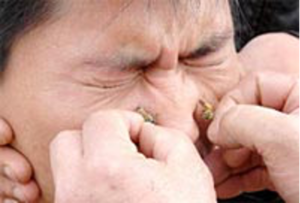 BEIJING With doctors urging amputation to stop the gangrene spreading upwards from his toes, Liu Guorong was sceptical when a friend said bee venom might save his foot.
“I was doubting this place,” the 58-year-old diabetes sufferer said in a raspy voice during a visit to the Xizhihe Traditional Medicine Hospital on the outskirts of Beijing.
“When I got here, I had no idea what I was doing and what the bee sting treatment was all about.” As Liu found out, it was painful. Bees were placed on his foot and provoked to sting him in a bid to rejuvenate the blackened, rotting flesh by flooding it with a rush of protein-rich blood.
A folk remedy for treating arthritis, back pain and rheumatism for 3,000 years in China, practitioners say that such pinpointed stings can repair damaged cells, stave off bacteria and ease inflammation. Doctors at Xizhihe hospital believe they can even cure liver ailments, diabetes and cancers.
“Doctors at other hospitals were telling me that they needed to cut my foot off,” Liu said. “I’d spent loads of money.”
Liu has been to Xizhihe several times to get stung and is now on a course of orally-taken bee venom medication. He now expects to keep his foot.
By Charles Robson – This article appears on http://www.dancingbeeacres.com/Bee.html
What is bee venom?
The venom of Honeybees is stored in the poison sac, which empties into the base of the stinger. A newly emerged bee has very little venom, but the amount gradually accumulates with age, to about 0.3 mg in 15-day-old bees. After the age of guard bees is reached (18 days), no additional venom is produced. Subsequently, the weight of the venom in the poison sac remains unchanged, and cannot be replenished after the sac is emptied.
Without Pollen, a bee is unable to manufacture venom. Bee venom is a clear liquid with a sharp, bitter taste, an aromatic odor and an acidic reaction. It dries quickly at room temperature.
Toxicity
Bee Venom is more toxic than wasp venom. On rare occasions, one sting is capable of causing death by anaphylactic shock to persons who are hypersensitive. Unless prompt medical relief is given, such persons may die within 30 minutes. If you happen to be a person who is allergic to stings, or know someone who is, you can send for a 13 page booklet: “Insect stings,” for 50 cents from the Asthma and Allergy Foundation of America, 19 West 44th Street, New York, NY 10036. This excellent booklet describes symptoms of true allergic reactions, treatment, insects and their habits and preventing stings. Under more normal circumstances, however, it would probably require at least 500 stings over a short period of time to cause death by direct toxicity.
Composition and properties of bee venom
The components of Bee Venom have been reviewed and summarized in papers by a least four scientists from 1955 to 1972. Bee Venom is quite complicated chemically. It contains several biochemical or pharmacologically active substances, including at least the following: histamine, dopamine, melittin, apamin (mast cell destroyer – MCD), peptide, minimine, and the enzymes – phospholipase A, and hyaluronidase. There are at least eight protein fractions of Honeybee Venom, of which phospholipase A, melitten, and apamin are the three major ones.
For years Bee Venom was thought to be formic acid. Finally it was discovered that there was no formic acid in it. It is a complex mixture of pesticides phospholipase, mellitin, apamin, etc. (over 35 fractional components). The collected venom is as powerful as live bee stings.
Uses and potential uses
Bee Venom has potential use in the medical field. Some interest has been expressed in introducing a pure Bee Venom product on the American market to be used in two ways. One use would be for the treatment of rheumatoid arthritis and another use would be for the desensitisation of hypersensitive individuals. The idea of using Bee Venom for treatment of rheumatoid arthritis is centuries old, and is based on the fact that beekeepers are seldom affected with this disease. Bee Venom therapy has long been practiced in Europe: and in recent times has been advocated for use in the United States by two physicians, Dr. Beck and Dr. Broadman.
Venom collector
The author has recently received U.S. Patent # 4,739,531 for an invention to collect Bee Venom. This invention consists of a removable slide which encompass a series of electrical wires running parallel, with an opening wide enough for the bees to squeeze through. The main reason for this invention was to allow the use of the same trap for both Pollen and Venom collection. By simply removing the Pollen slide and inserting the Venom slide you can determine which product you want to collect. This method eliminates building two completely separate collectors and can be easily transferred from yard to yard. As the bees travel back and forth between these openings a low voltage shock (only capable of irritating the bee into stinging), is applied every five to ten seconds. Directly below the wires is a Teflon pad. At the time of the electrical shock – as the bee travels across the pad and up through the wires, she will sting the pad and release the venom onto the Teflon. A percentage of the time the stinger will remain with the bee. The Teflon pads are easily removed by the beekeeper for the extracting of the venom.
“Medical history” of bee venom
The fact that Bee Venom holds the key to the problem of approximately 40,000,000 people in the United States who suffer from arthritis and rheumatism is amazing. Actually, the curative value of Bee Venom was known by Hippocrates, the “Father of Medicine” in Ancient Greece. He used Bee Venom and called it “Arcanum – a very mysterious remedy” and refers to it in his eight books on medicine.
The famous physician, Galen, 130 A.D., wrote of using Bee Venom, and Pliny the Elder, in about 14 B.C., wrote about Venom in his “Natural History.” Charlemagne, King of the Franks, 742-814 A.D., is known to have been treated with bee stings. It was thought at that time that bee stings cured all sorts of maladies and great store was laid by the venom’s curative healing properties.
Monfat (1600-1634) prescribed bees taken from the hive for reducing kidney “stones,” the strengthening of the urinary tract, as well as for a number of other conditions. In 1859, Doctor Desjardins of France published the first scientific paper in the “Medical Bee Journal” describing his bee sting procedures, which he claimed he applied successfully in all kinds of rheumatic diseases. He even reported on two cases of skin cancer, which he says he was able to cure.
Professor Libowsky of St. Petersburg, Russia, in 1864, reported in the “Courier Medical” about his success with bee stings in rheumatism and cases of neuralgia. As far back as 1850, Dr. Schwabe, Germany; Dr. Hale, England; Drs. March and Altschul, Germany; Dr. Goullon, France; D.C. Wolfe, Germany; and others, reported in reliable scientific papers their good results treating rheumatic patients with bee stings.
Dr. Phillip Terc of Marburg, Austria, in 1879, became interested in the venom of Honeybees when he was accidentally stung by bees and “cured” of several arthritic conditions he had. He became the first physician to apply bee stings in a systematic way to the treatment of rheumatic diseases in his patients. His first publication on the subject appeared in the Vienna medical press in 1888. It was the “Report About a Peculiar Connection Between the Bee Stings and Rheumatism.”
Dr. Terc, although he was laughed at throughout his career by the orthodox medical world, reported that during 25 years he had applied 39,000 bee stings to about 500 rheumatic patients without a complication, a so-called side effect or fatality. Most of these patients were lastingly benefited. At a medical meeting, Feb. 11, 1904, he invited the medical profession to accept Bee Venom therapy. “Years ago I was called to a patient who previously had been treated for rheumatism of the joints, but completely without any success. This lady was not able to move in her bed, suffered with a severe heart disease, and, having heard about Bee Venom, desperately wanted to try this treatment. After I had examined her very carefully and decided to take the risk, a relative of hers remarked, ‘are you actually contemplating to torture this death bound person?’ I first applied one single sting, then after half an hour, two stings, and after another hour again, two more. She tolerated them well without hardly feeling any pains on application. I stayed for half a day with her to keep her under observation and finally felt entitled to promise her complete recovery. The next day I showed her gardener, a beekeeper himself, how to apply the stings, and three weeks later the “death bound” patient left her bed for the first time in years… At the last examination she was not only completely cured of rheumatism but, at the same time, the previous murmur of her heart had entirely ceased.”
Dr. Terc claimed that following bee sting therapy high blood pressure or low blood pressure tended to reach normalcy. Dr. Terc used the treatment for forty years. He often said he was convinced that almost all true arthritis and rheumatism can be radically and permanently cured with bee stings, except those cases of many years standing, where the joints already have been destroyed and ossification has taken place.
Unfortunately, Dr. Terc’s observations and all those preceding reports, found little response from his colleagues and were forgotten. Medical leaders seem to have a peculiar gift for forgetting important discoveries.
In 1928, Dr. Franz Kretschy of Vienna, continuing Dr. Terc’s work, invented an injectable form of Bee Venom. Obviously though, the recognition of Bee Venom for which Dr. Terc and Dr. Kretschy worked and hoped for during so many years has not yet been achieved in the United States.
Dr. Bodog Beck of New York City used Bee Venom Therapy from 1935 to 1942. Dr. Beck’s work ceased during World Was II and then the discovery of cortisone diverted attention from Bee Venom therapy. Still some of his students and a few others kept his interest alive.
Dr. C.B. Warren started funding some research on dogs, cats and horses with good results. Dr. Bodog Beck in his book “Bee Venom Therapy”, 1936, used a quotation concerning Bee Venom from the Koran, chapter XVI, 71: “There proceeded from their bellies a liquor wherein is a medicine for men.”
Instead of using suppressive drugs, Bee Venom stimulates production of natural immunotherapy (through the pituitary and adrenal glands) and causes the body to produce natural cortisone. Even treatments on pain from various causes will respond to treatment with Bee Venom therapy. Also, it has been known to restore paralysed legs, and open end fractures, reduce calcification of arthritic areas. It has been known to normalize menstruation periods in women, increase sperm count in men, also, effective in the treating of shingles (having an anti viral effect), also in the remission of tumors of many different types of malignant diseases.
How is all this possible? By stimulating many different functions. Perhaps gaining an understanding of how Bee Venom works will lead to development of something even better. Bee Venom will lead the way to a new approach to healing – safe, effective and low-cost.
International conference on apitherapy
International Conference on Apitherapy, 1983, Dr. Charles Mraz: Systematic treatment of Rheumatic and Degenerative Diseases with Honey Bee Venom has been known for over one hundred years. During the last decades there was a significant advance in studying the composition, biological properties and clinical applications of Bee Venom in eastern and western countries. Today Bee Venom is well known as a natural product for curing rheumatic diseases, degenerative diseases, arthritic conditions, other conditions (such as intense pain from burn scar tissue, injury, surgery) stimulating healing of bone in non healing fractures and in curing immune deficiencies and auto immune diseases.Dr. Mraz feels that the day is very near when Bee Venom will open up a new science of healing and a new immune therapy, which is just beginning to be used.
The Yale University School of Medicine, Department of Oncology, and the Cancer Research Institute at San Francisco reported on the following: The inhibition of growth of leukemic cells by inhibitors of calmodulin: phenothiazines and melittin. Drs. Lavin and Meiss summarized the study on leukemic cells.
“Of the three methods tested more potent inhibitors have been identified. Specifically, melittin, a major polypeptide component of Bee Venom was one of the most potent of these agents. We now report that several drugs that inhibit the activity of calmodulin inhibit the growth of murine and human leukemic cells and that melittin has the most potential cytotoxic activity.”
Why bee venom is effective
The following paper was delivered by: Professor N.M. Artemov of Gorki University, USSR, in Rome, Italy in 1958; “The Biological Principles of the Application of Bee Venom in Medicine”.
“The therapeutic application of both Bee Venom and its preparations is effected so far empirically, without a sufficient theoretical base. That is why the development of a medico biological theory of the Bee Venom effect on the healthy and the diseased organism is a problem of particular importance. This theory must throw light upon all known facts from the special point of view and make clear the complicated symptom complex of poisoning as well as the therapeutic properties of Bee Venom.”
“The author of the present article succeeded in putting forward an hypotheses meeting the above mentioned requirements on the basis of the experimental data he obtained in his laboratory. He further examined his hypothesis from the biological and evolutionary point of view. The Bee sting and Bee Venom are known to be fit to protect the bee against its chief enemies – the mammals. As a result, the venom developed as a factor acting upon the most vulnerable and important systems of the organism (nervous system, blood) on the one hand, while on the other, mammals have developed the ability to react to venom by mobilizing all their protective forces and by increasing their resistance to it. As a result the venom has become the natural adequate stimulus of protective reactions of the (mammalism) organism.”
“In fact the analysis of the symptom complex of poisoning with Bee Venom gives us the opportunity of subdividing its symptoms into two categories: (a) symptoms depending upon the disintegration of cells and organs or the inactivation of some biochemical systems, (b) symptoms associated with the realization of the protective reactions. Such symptoms as hemolysis (red Blood cell destruction) and cytolysis (cellular destruction), muscular contractions, the blockage or nervous synapse and inactivation of enzymes (e.g. dehydrase) belong to the first category. The system of the mutually associated symptoms which indicate ‘general adaptation syndrome’ belongs to the second category.”
“Among these symptoms are the shock developing at the beginning of the poisoning, the characteristic variations in blood, the increasing permeability of the blood vessels, the excitation of the pituitary- adrenocortical system and the change of reactivity in the organism; in particular, the increase of resistance to the venom. All of them have been carefully examined and studied in detail. It has been evidenced that the protective inhibition occurring in the cerebral cortex of animals after the injection of non lethal doses of the venom, shoud be also included in the second category.”
“The therapeutic properties of the venom are quite obvious. They are associated with the mobilization of the organism’s protective forces – in particular with the increase of the internal secretion of the pituitary and the adrenal cortex with the subsequent reconstruction of organism’s reactivity. This is the reason Bee Venom is so effective in cases of rheumatic disease and allergies.”
“Bee Venom’s curative powers can best be explained by its simulating effect on blood and blood vessels – its ability to increase circulation. Blood cells transmigrate into the tissues after a Bee Venom injection. The venom opens the capillary walls, thus allowing the body a better elimination of waste matter as increased metabolism, which enriches the supply of oxygen within the body. Better circulation and intensified oxidation also help to destroy bacterial growth, in this way enabling a normal physical state to replace the pathological condition.”
“Bee Venom attacks the contributing causative factors of arthritis and rheumatism; it does not merely treat symptoms as do the solaced ‘wonder’ drugs.” Says Dr. Joseph Broadman, M.D., in his book “Bee Venom.”
“It attacks at the cellular level where every disease begins. This is important because relieving pain or treating the outward manifestations of any disease does not indicate in any way that the disease has been removed. …By treating with steroids, there are added dangers of side effects. Bee Venom contains none of these dangers which can cause death.”
Venom or extract ?
Rheumatic disease is sometimes described as auto immune disease. Cancer, also, is a result of hormones out of control. Bee Venom will stimulate each individuals endogenous system. Using bees to sting people is a difficult procedure for doctors not familiar with the practice of handling bees. In the 1920 through the 70’s whole bees were crushed and the whole body extract was used as Bee Venom therapy. This was shown to be totally ineffective for treatment of either allergy or arthritis.
Acupuncture with bee venom
An article “Apitherapy by Acupuncture for Back Problems” by P.A. Potchinkova, Bulgaria, Apiacta, 1987, states, “The degenerative diseases of the spinal column and their neurological complications are serious problems encountered in medical practice and are a frequent cause of work absenteeism. In 60-90% of the cases, the clinical symptoms of these diseases, mostly radical in nature, are disorders of the peripheral nervous system. The neurological complications are often difficult to cure, relapses are frequent and the condition tends to become chronic.”
“In treatment of such patients, Bee Venom can be used to anaesthetize and also to improve the local blood circulation to reduce the irritation of the sympathetic nerve and to neutralize the local inflammatory processes and angiospasm. The acupunctural application of Bee Venom to biologically active points combines the two methods, thus amplifying the therapeutical effects.”
“After 5-6 sessions, favorable therapeutic results were observed. Sixty-six out of 100 patients who finished the treatment evidenced considerable results or even complete disappearance of pain, an abatement of the neurological symptoms of 50 to 100% and a remission of 1-3 years.”
“In 23 cases, the treatment proved relatively effective. The pain incidence had been reduced considerably or recurred only in specific circumstances. The neurological symptoms decreased by 50%. In 11 patients, no improvement was found.”
“Follow-up studies on 50 patients for a period of three years showed that in 45 cases the favorable results were lasting. Twenty-five patients were given a new shorter treatment with Bee Venom so as to prevent relapses. In these cases, the results were entirely successful.”
Cancer in beekeepers
Dr. D.C. Jarvis, M.D. of Vermont writes in “Folk Medicine”, “I spent two years checking the observation that beekeepers do not have cancer. Charles Mraz a beekeeper in Vermont helped me in this study. Together we were unable to find a single case of cancer in beekeepers or learn of one who had died of the disease. We did find a case of Hodgkin’s Disease contracted before the man started keeping bees and eating Honey. It was cured after he began his new occupation. In his international search for cancer among beekeepers, Dr. B. Beck discovered one case. That was a man who died of skin cancer in Hawaii.”
Dr. W. Schweisheimer, in an article in ‘Gleanings in Bee Culture,’ Sept. 1967 stated, “A strange observation some 20 years ago had been made by the Berlin Cancer Institute. Its scientists and doctors had never seen a bee keeper who was suffering from cancer.”
“For many years they had turned their attention to this particular problem. Another discovery they made was that they never saw a beekeeper that was suffering from gout. This is an observation which has been described frequently and which dates back a good many centuries. It has been repeated time and again.”
The annual Report of the New York Cancer Research Institute, Inc., 1965, stated, “Since acute inflammation seems to be one of the body’s important defenses not only against infections, but against cancer, how cautious should we be in using the many anti-inflammatory drugs, such as the antihistamines, and more especially cortisone and its derivatives? Why do beekeepers have the lowest incidence of cancer? Perhaps it is because they are continually receiving injections of Bee Venom – i.e. bee stings, which cause an acute inflammation reaction, liberating histamine which then activates the reticuloendothelial system – another important defense mechanism against cancer.”
The Third Apimondia International Apitherapy Symposium, 1978, Dr. B.N. Orlov, USSR, reported, “Of the many diseases treated with Bee Venom, its highest efficiency was recorded in affections (disease) of the peripheral nervous system (radiculitis, neuritis, neuralgia), of the joints (arthritis, spondylosis), and of rheumatic and allergenic affections. Bee Venom in its main constitute, Mellitin, accounts for fifty percent of its compositions. Mellitin is a simple polypeptide chain consisting of twenty-six amino acid radicals. Another polypeptide in Bee Venom is Apamine. The Apamine molecule is smaller than that of Mellitin, consisting of eighteen amino acid radicals. Another peptide component of Bee Venom is the MSD peptide, which degranulates basophil cells. It consists of twenty-two amino acid radical. Another polypeptide which has been recently separated from Bee Venom is Minimine whose chemical structure has not been sufficiently studied.”
“In addition to the polypeptides whose molecular weight is small, there are also two other components in Bee Venom: Two enzymes – Phospholipase A and Hyaluronidase which play an important part in the effect of the Bee Venom. Phospholipase A splits lecithin – a phospholipid which is widely spread in the body, turning it into lysolecithin which degrades cell membranes. Hyaluronidase splits the hyaluronic acid – a constituent element of the fundamental substance the conjunctive tissue, thereby spreading the active factors of Bee Venom throughout the body.”
“Bee Venom has strong effect on the functions of the cardio-vascular system too. Intravenous inoculation in animals caused decrease of the blood pressure in arteries for a short time. The duration of this effect depends on the dose of Bee Venom. With certain doses however, moderate reduction in the blood pressure was obtained which resulted in a higher blood flow in the vessels of the circulatory system. Another important action of Bee Venom is a stimulus for the activity of the hypophysis and the suprarenal glands.” A polypeptide with 100 times higher anti-inflammatory effect than that of hydrocortisone has been recently identified in Bee Venom. Consequently, Bee Venom was successfully used in inflammatory affections in patients and in laboratory animals. American and Soviet researchers have reported an effect on protection from radioactivity. It was found that administration of non-toxic doses of Bee Venom in mice has substantially increased their resistance to X-rays as compared to the control groups.
In the Directions approved by the Medical Board of the USSR Ministry of Health, treatment with Bee Venom is recommended in the following affections :
- Rheumatical affections
- Non-specific infectious poly arthritis
- Deforming spondylarthrosis
- Affections of the peripheral nervous system
- Tropic ulcerations and atonic wounds
- Surgical cases of vascular affections
- Inflammatory infiltration
- Asthma
- Migraines
- Hypertonic affections – first and second stages
- Iritis
The stimulating effect of Bee Venom on the activity of the hypophysis and suprarenal glands – determined by Soviet researchers, is the scientific support for the positive effect of Bee Venom in a number of affections. It is known that in collagen disorders, in allergenic affections, etc., treatment with corticoids (steroid hormones) and with adrenocortico-trophic hormones (ACTH) is applied. Stimulation of the activity of the hypophysis and of adrenal glands increases hormone secretion. In such cases, account must be taken of the anti-inflammatory action of Bee Venom. Another important effect of Bee Venom is the inhibition of ganglions, which explains its therapeutic effect in hypertonic affections and obliterating endarderitis. Another significant property of Bee Venom is its analgesic effect thanks primarily to its main component – Melittin. The analgesic effect of Bee Venom provides for considerably larger possibilities in particular in medical gymnastics.
Bee venom’s effect on blood pressure
Dr. N.N. Anchichkov, USSR: Folk medicine is aware that Bee Venom lowers blood pressure. This property of Bee Venom is confirmed also by experiments with animals. In studies conducted with dogs it was proven that intravenous injections of the venom of one bee causes a certain lowering of blood pressure; injection of venom of several dozen bees causes a sharp drop in blood pressure. The drop in blood pressure caused by the effect of Bee Venom is conditioned by dilatation of peripheral blood vessels due to the presence of histamine in the Bee Venom, which possesses a vasodilative effect.
Experiments of pharmacologists showed that histamine has a vasodilative effect even in dilution’s of 1:250,000,000 and 1:500,000,000. Many patients with hypertensive disease underwent treatment with Bee Venom or started working in an apiary where they were repeatedly subjected to bee stings. Their general state improved rapidly, their blood pressure fell considerably, headaches and irritability disappeared and ability to work improved.
Manuka
By Bill Gluyas
Manuka tea tree used as medicine for up to 1000 years. Oral and written history of New Zealand records the use of Manuka for medicinal purposes by the early Maori settlers.
From the earliest human habitation of New Zealand by the Maori people around 800 to 1000 years ago, the Manuka tea tree plant (Leptospermum scoparium) was known to have special medicinal and therapeutic properties.
The Maori people used the leaves and bark for a wide range of ailments, including urinary problems and as a febrifuge (to reduce fever). The leaves were boiled and the hot vapour inhaled for head colds. Leaves and bark were boiled together and the warm liquid rubbed on stiff backs and rheumatic joints.
It was also used as a diuretic, a sedative, a pain killer, for inflammation of the breasts, and for healing fractures.
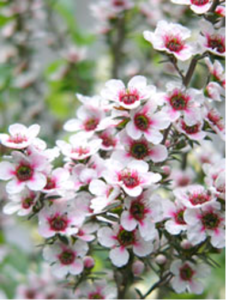
The Manuka plant
Boiled bark was used to relieve constipation, as a gargle and for bathing sore eyes. The emollient gum was given to suckling babies, and was applied to scalds and burns. Fresh sap was taken as a blood purifier, seed capsules were boiled and the fluid used externally for bruises and inflammation, and internally for diarrhoea and dysentery.
Raw seed capsules were chewed for colic, and when powdered, used in a poultice to dry and heal open wounds or running sores.
“New Zealand Medicinal Plants” written by S C Brooker, R C cambie, R C Cooper. Published by Heineman Publishers, Auckland, NZ. Third Edition, 1987.
“Medicine of the Maori” written by Christina McDonald. Published by William Collins (NZ) Ltd, Auckland, 1974. Reprinted.1975
It is amazing to discover that all these therapeutic uses of the Manuka tea tree plant were identified by the Maori people centuries ago, and only now, in the past two decades, has modern science shown that these uses were legitimate and that the active ingredients have been identified and confirmed in scientific analysis.
Captain James Cook discovers benefits from using Manuka tea tree
Captain James Cook first visited New Zealand in 1769 and described the Manuka plant as a ‘tea plant’ hence the colloquial name tea tree.
Cook wrote: “the leaves were used by many of us as a tea which has a very agreeable bitter taste and flavour when they are recent but loses some of both when they are dried. When the infusion was made strong it proved emetic (induced vomiting) to some in the same manner as ‘green tea’.”
Cook, J “A Voyage Towards the South Pole and Round the World”. Strahan & Cadell, London, 1777
During the following two centuries since Cook wrote about Manuka in his journal, little more information of scientific nature was published.
Modern scientific study confirms medicinal properties
However since the 1980’s there has been considerable scientific study to identify the active compounds in this plant genus and test these compounds for their effectiveness against a number of bacterial and fungal organisms that can cause skin ailments.
It has been described in scientific papers that one variety of Manuka tea tree, grown almost exclusively in the East Cape region of New Zealand’s North Island, has significant antibacterial and anti fungal properties and that this oil is a genuine alternative to conventional synthetic forms of medication.
Not only are products containing high Triketone Manuka oil an alternative to traditional forms of treatment, it has been shown in many cases to have given superior results.
Honey & Royal Jelly
- Honey Cuts Anxiety
- Honey's Healing Touch
- Facts About Honey and Cinnamon
- Honey & Diabetes
- Honey Medicinal Use
- Honey as an antimicrobial agent
- Royal Jelly
By Emily Cook
Honey could help counter the effects of ageing and decrease anxiety, according to a study.
Scientists found a diet sweetened with honey improved memory and reduced stress.
They conducted their tests on rats who were fed either a diet of 10 per cent honey, or eight per cent sucrose or no sugar. The experiment was over a year.
The rats, which were two months old at the start of the trial, were assessed every three months.
The study claims honey-fed rats displayed better spatial memory. They also spent twice as much time in the open section of an assessment maze than the sucrose-fed rats, suggesting they were less anxious.
Dr Nicola Starkey at the University of Waikato in New Zealand, said: “Diets sweetened with honey may be beneficial in decreasing anxiety and improving memory during ageing.”
She believes this could be due to the antioxidant.
By Karen Dente
WITH the rise in cases of diabetes, more and more people will suffer from foot ulcers that do not heal and may end up needing amputation because treatment of chronic wounds is so difficult.
Today, an alternative treatment based on a remedy used since antiquity is getting increased attention — smearing wounds with honey.
Manuka Honey, a medicinal honey harvested from beekeepers in New Zealand, is now being marketed for application on wounds. In June, Health Canada approved it under the brand name Medihoney for use as a wound dressing and antimicrobial. In July, the Food and Drug Administration cleared it for use in wounds and burns in the U.S.
The effects of treating wounds with honey have been noted mostly in anecdotal reports and case histories, making it hard for scientists to know whether the remedy compares favorably with standard wound dressings such as hydrogels, silver-impregnated gauzes or topical antibiotics.
But in recent years, larger studies have shown promising results, and more are underway.
“In the last few years, a lot of good science has been done in the area,” says Shona Blair, a microbiologist at the University of Sydney, Australia, who studies the antibacterial properties of honey.
Chronic wounds — most commonly diabetic foot ulcers but also burn wounds, venous pressure ulcers, arterial leg ulcers and bedsores — are a growing medical problem. An estimated 3 million people in the U.S. suffer from pressure ulcers, or bedsores. Each year, an estimated 100,000 diabetics will lose a limb through amputation, mostly as a result of nonhealing wounds. With diabetes on the rise, doctors expect to see a lot more diabetic foot ulcers.
Acute wounds are usually treated by keeping them moist and sterile, which promotes the innate wound-healing ability of the body. But in patients with underlying conditions such as diabetes, a small crack in the skin often fails to heal and can develop into a chronic wound.
Such a wound runs a great risk of becoming infected, which in turn reduces the chance of healing — a vicious cycle that can lead to severe infection, even down to the bone. Chronic wounds are sometimes treated surgically, by removing dead skin to promote healing. Patients are also treated with off-loading orthotic shoes to prevent applying pressure on the wound, but these are cumbersome and rarely efficiently used.
The honey treatment involves putting it on bandages and applying it to wounds. Because there is a concern among some physicians that untreated honey may carry a risk of botulism — a rare but fatal disease caused by contamination — companies such as Comvita, which markets Medihoney, irradiate the product to sterilize it.
There are several possible ways that honey helps wounds heal, researchers say.
Honey, rich in sugars, provides a hyperosmotic environment — meaning it will suck the water out of bacteria, killing them. (Such a hyperosmotic environment is the principle behind making preserves from fruit and regular sugar.)
Honey is antibacterial in other ways, too. During its creation, worker bees add an enzyme — glucose oxidase — to the nectar they’ve collected. When the honey is applied to a wound, it is exposed to oxygen in the air, and the glucose oxidase produces hydrogen peroxide — bleach — killing the bacteria.
Honey, Blair adds, seems to be active against troublesome antibiotic-resistant strains such as methicillin-resistant Staphylococcus aureus — an important thing, because chronic wounds are often colonized by such bacteria. She’s tested various Australian and New Zealand honeys against bacterial strains obtained from hospitals and found that even the strains most resistant to antibiotics failed to grow and were killed in the presence of honey.
Peter Molan, a New Zealand biochemist at the University of Waikato, has reported that Manuka honey, named after a New Zealand tree, can stop bacterial growth even when diluted up to 56 times. And in studies in piglets and rats he’s found that honey has anti-inflammatory properties, stimulating skin to grow into a wound, advancing its closure.
Patient case histories also provide evidence that honey can help wounds heal. In 2001, Dr. Jennifer Eddy, associate professor at the department of family medicine at the University of Wisconsin, was treating a patient with an extreme case of diabetic foot ulcer. It had refused to heal despite treatment with conventional remedies: surgical debridement (or removal of dead tissue) antibiotics, hydrogel dressings and use of an off-loading orthotic.
The foot was infected down to the bone. With the threat of amputation looming, Eddy treated the patient’s wound with honey, smearing it on the bandage and applying it to the wound.
The wound healed, the leg was salvaged, and in 2005 Eddy published the case report in the Journal of Family Practice. There are more than 200 similar case reports in the medical literature, according to a 2006 review, for a wide variety of chronic wounds — diabetic foot ulcers, ulcers due to insufficient venous or arterial blood flow, bed sores, burns, wounds containing antibiotic-resistant bacteria and ones caused by weakened immunity.
Anecdotes are one thing, but the medical gold standard is a clinical trial. And that is a problem for honey, Eddy says. Last year, while at a conference, she discussed with a colleague the possibility of conducting a trial on honey. “He told me, ‘There’s no money in honey’ ,” she says.
Eddy did manage to obtain funds for a randomized, clinical trial comparing store-bought honey against standard treatments for intractable foot ulcers. Since March, seven patients have been recruited; the goal is to recruit 40. Results are expected in about two years, Eddy says.
A three-year-long study at the University of Bonn, Germany, reported good healing rates in the use of honey as a dressing for wounds in 15 children with cancer, a population prone to nonhealing ulcers because of weakened immunity after radiation and chemotherapy.
Preliminary results of another clinical trial comparing honey with hydrogel dressings in 100 patients with chronic leg ulcers were presented in May at a wound meeting in Scotland. The honey-dressing group healed faster and had less infection than the standard treatment group. Complete findings are expected later this year.
Other studies are underway: One, at the Red Cross War Memorial Children’s Hospital in Cape Town, South Africa, will compare a honey-based antibacterial wound gel product to standard treatment in about 80 children with burns. A smaller pilot study will look at honey treatment in head and neck cancer patients undergoing radiation.
Some specialists are not too optimistic about the benefits of honey in wound management. “It’s good with butter and bread — I don’t think honey on Band-Aid is the answer,” says Dr. Adrian Barbul, chair of surgery at Sinai Hospital in Baltimore and professor of surgery at Johns Hopkins University.
But Dr. Arne Simon, director of pediatric oncology at the Children’s Hospital of Bonn University and first author of the study on children with cancer, says that although more clinical studies are needed, the data for the children, at least, looked good. Specialists, he says, should consider standardized honey when faced with other wounds that just don’t want to heal.
www.angelfire.com/az/sthurston/honeyandcinnamon.html
- What is the only food that doesn’t spoil?
A. Honey
It is found that a mixture of Honey and Cinnamon cures most of the diseases. Honey is produced in most of the countries of the world.
Ayurvedic as well as Yunani medicine have been using honey as a vital medicine for centuries.
Scientists of today also accept honey as a “Ram Ban” (very effective) medicine for all kinds of diseases. Honey can be used without any side effects for any kind of diseases.
Today’s science says that even though honey is sweet, if taken in the right dosage as a medicine, it does not harm diabetic patients.
Weekly World News, a magazine in Canada, on its issue dated 17 January, 1995 has given the following list of diseases that can be cured by Honey and Cinnamon as researched by western scientists.
HEART DISEASES : Make a paste of honey and cinnamon powder, apply on bread, chappati, or other bread, instead of jelly and jam and eat it regularly for breakfast. It reduces the cholesterol in the arteries and saves the patient from heart attack. Also those who already had an attack, if they do this process daily, they are kept miles away from the next attack.
Regular use of the above process relieves loss of breath and strengthens the heartbeat. In America and Canada, various nursing homes have treated patients successfully and have found that as age the arteries and veins lose their flexibility and get clogged; honey and cinnamon revitalizes the arteries and veins.
INSECT BITES : Take one part honey to two parts of lukewarm water and add a small teaspoon of cinnamon powder, make a paste and massage it on the itching part of the body slowly. It is noticed that the pain recedes within a minute or two.
ARTHRITIS : Arthritis patients may take daily, morning and night, one cup of hot water with two spoons of honey and one small teaspoon of cinnamon powder. If taken regularly even chronic arthritis can be cured.
In a recent research conducted at the Copenhagen University, it was found that when the doctors treated their patients with a mixture of one tablespoon Honey and half teaspoon Cinnamon powder before breakfast, they found that within a week out of the 200 people so treated practically 73 patients were totally relieved of pain and within a month, mostly all the patients who could not walk or move around because of arthritis started walking without pain.
HAIR LOSS : Those suffering from hair loss or baldness, may apply a paste of hot olive oil, one tablespoon of honey, one teaspoon of cinnamon powder before bath and keep it for approx. 15 min. and then wash the hair. It was found to be effective even if kept on for 5 minutes.
BLADDER INFECTIONS : Take two tablespoons of cinnamon powder and one teaspoon of honey in a glass of lukewarm water and drink it. It destroys the germs in the bladder.
TOOTHACHE : Make a paste of one teaspoon of cinnamon powder and five teaspoons of honey and apply on the aching tooth. This may be applied 3 times a day till the tooth stops aching.
CHOLESTEROL : Two tablespoons of honey and three teaspoons of Cinnamon Powder mixed in 16 ounces of tea water, given to a cholesterol patient, was found to reduce the level of cholesterol in the blood by 10% within 2 hours. As mentioned for arthritic patients, if taken 3 times a day, any Chronic cholesterol is cured. As per information received in the said journal, pure honey taken with food daily relieves complaints of cholesterol.
COLDS : Those suffering from common or severe colds should take one tablespoon lukewarm honey with 1/4 spoon cinnamon powder daily for 3 days. This process will cure most chronic cough, cold and clear the sinuses.
INFERTILITY : Yunani and Ayurvedic Medicine have been using honey for thousands of years to strengthen the semen of men. If impotent men regularly take two tablespoon of honey before going to sleep, their problem will be solved.
In China, Japan and Far-East countries, women, who do not conceive and need to strengthen the uterus, have been taking cinnamon powder for centuries. Women who cannot conceive may take a pinch of cinnamon powder in half teaspoon of honey and apply it on the gums frequently throughout the day, so that it slowly mixes with the saliva and enters the body.
A couple in Maryland, USA, had no children for 14 years and had lost hope of having a child of their own. When told about this process, husband and wife started taking honey and cinnamon as stated above; the wife conceived after a few months and had twins at full term.
UPSET STOMACH : Honey taken with cinnamon powder cures stomach-ache and also clears stomach ulcers from the root.
GAS : According to the studies done in India & Japan, it is revealed that if honey is taken with cinnamon powder the stomach is relieved of gas.
IMMUNE SYSTEM : Daily use of honey and cinnamon powder strengthens the immune system and protects the body from bacteria and viral attacks. Scientists have found that honey has various vitamins and iron in large amounts. Constant use of honey strengthens the white blood corpuscles to fight bacteria and viral diseases.
INDIGESTION : Cinnamon powder sprinkled on two tablespoons of honey taken before food, relieves acidity and digests the heaviest of meals.
INFLUENZA : A scientist in Spain has proved that honey contains a natural ingredient, which kills the influenza germs and saves the patient from flu.
LONGEVITY : Tea made with honey and cinnamon powder, when taken regularly arrests the ravages of old age. Take 4 spoons of honey, 1 spoon of cinnamon powder and 3 cups of water and boil to make like tea. Drink 1/4 cup, 3 to 4 times a day. It keeps the skin fresh and soft and arrests old age.
Life spans also increases and even a 100 year old, starts performing the chores of a 20-year-old.
PIMPLES : Three tablespoons of Honey and one teaspoon of cinnamon powder paste. Apply this paste on the pimples before sleeping and wash it next morning with warm water. If done daily for two weeks, it removes pimples from the root.
SKIN INFECTIONS : Applying honey and cinnamon powder in equal parts on the affected parts cures eczema, ringworm and all types of skin infections.
WEIGHT LOSS : Daily in the morning 1/2 hour before breakfast on an empty stomach and at night before sleeping, drink honey and cinnamon powder boiled in one-cup water. If taken regularly it reduces the weight of even the most obese person.
Also, drinking of this mixture regularly does not allow the fat to accumulate in the body even though the person may eat a high calorie diet.
CANCER : Recent research in Japan and Australia has revealed that advanced cancer of the stomach and bones have been cured successfully. Patients suffering from these kinds of cancer should daily take one tablespoon of honey with one teaspoon of cinnamon powder for one month 3 times a day.
FATIGUE : Recent studies have shown that the sugar content of honey is more helpful rather than being detrimental to the strength of the body. Senior citizens, who take honey and cinnamon power in equal parts, are more alert and flexible.
Dr. Milton who has done research says that a half tablespoon honey taken in a glass of water and sprinkled with cinnamon powder, taken daily after brushing and in the afternoon at about 3.00 p.m. when the vitality of the body starts to decrease, increases the vitality of the body within a week.
BAD BREATH : People of South America, first thing in the morning gargle with one teaspoon of honey and cinnamon powder mixed in hot water. So their breath stays fresh throughout the day.
HEARING LOSS : Daily morning and night honey and cinnamon powder taken in equal parts restore hearing
Diabetes is a fundamental disorder of metabolism, primarily that of carbohydrates. It is due to a deficiency of the pancreas, a gland connected with the alimentary canal which, under the circumstances, does not produce sufficient insulin. It is a weakness or exhaustion of the gland. In diabetes the ingested carbohydrates, sugars and starches cannot be utilized, but are eliminated in the urine. Part of the food turns into sugar and the glutton has to return to Nature his illegitimate gains. The victim must famish in the midst of plenty. It is really a revenge of Nature. Lean people rarely acquire diabetes. In obese subjects the excess sugar and starch which they consume does not sufficiently oxidize, but forms fat which is already a disintegration of the organism.
A word should be said regarding the cause of diabetes. Most medical textbooks carefully avoid even mentioning the subject. Others acknowledge that the cause of diabetes is unknown. The author’s personal comprehension is that the abuse of artificial sugar and salt are mainly to be blamed for it by producing an inflammation or sclerosis of the pancreas. The influence of white sugar already has been discussed. With regard to salt, he would set forth that animal diabetes is confined to horses, cattle and dogs. Salt is given to horses (occasionally also sugar) and to cattle, mixed in their fodder, and dogs obtain it in our waste food.
R. Arima of Tokyo, Japan, Director of the Arima Institute, experimented on himself. He had never had any diabetic ailment. In 1934, at the age of fifty-three he purposely consumed an excess of salt with the result that he suffered from excessive urine secretion, followed by diabetes. He repeated the experiment twice with the same result. He thought that diabetes could be easily cured by the limited use of, or total abstinence from salt. Arima quotes a noted authority who made the statement that civilized man is “pickled” in salt. In his opinion even hardening of the arteries and premature senility is caused by salt. A friend of the late John D. Rockefeller related to this author that during a dinner the old gentleman warned him never to use salt because the substance is injurious to health. As Mr. Rockefeller almost reached the class of centenarians his admonition is worthy of consideration.
Vegetarians and herbivorous animals crave salt because they require it. Fruits, vegetables and plants, in general, contain ample other minerals but are insufficient in sodium chloride. Meat eaters can get along without salt. Many teachers of nutrition are against the use of salt. They claim that an excess of it will produce rigidity and inactivity. The brain, heart, arteries, muscles, salivary glands, eyes and sex organs lose their elasticity, become indurated and finally ossified. Lime, which commercial sugars contain, has a similar effect. When the biological chemists will use more commonsense than microscopes they will also establish the fact that refined sugars contribute more to the prevalence of arthritis than has so far been surmised.
It is much beyond the scope of this review to enumerate the ill effects of diabetes. One of the cardinal troubles is lack of glycogen (animal starch) which is normally deposited in the muscles, of course, the heart, the blood and mainly in the liver (the savings bank of glucose), where it is stored and later utilised as the most important energy-producing substance of the organ-ism. Normal blood contains about 0.10% glucose.
If a diabetic organism is unable to oxidise glucose, it will have vital effect also on other processes of metabolism, mainly on the metabolism of fat. The burning of carbohydrates, especially glucose, is indispensable for the burning of fat. Fats burn in the flame of carbohydrates. Imperfect oxidation of fats produces the formation of unoxidised fatty acids, commonly called acetone bodies, which will disturb the acid-base equilibrium of the system and finally will deplete the entire alkali reserve of the body.
The importance of sugar metabolism on the spinal column and brain is evident. The blood of the veins which leaves the brain contains less sugar and more acids than the blood of the arteries which centers upon it. Sugar assimilation has an important function in the chemical activities of brain cells. The successful therapeutic application of insulin in various mental disorders clearly demonstrates this. The lack of sugar assimilation of a diabetic, the accompanying depression, comatose states, even fatal ending, prove the vital importance of sugar metabolism on the activities of the brain cells.
The administration of insulin, a pancreatic hormone, corrects the pathological condition in diabetes and converts the carbohydrates into glycogen, which a diabetic constitution is unable to perform. Insulin is an adjunct in the treatment of diabetes but by no means a cure. The use of insulin is a burdensome procedure. The patient must inject insulin about half an hour before each meal to effectuate this function. Its dosage must first be deter-mined because the units of insulin must correspond with the subsequent meal, with the patient’s sugar tolerance, etc. The patient’s individual response and also the amount of carbohydrates must be rigorously controlled and frequently modified. It is a tedious performance involving considerable time and expense, besides anxiety, and a careful application of complex chemistry and mathematics.
Any substance which could be utilized in mild diabetic cases to convert carbohydrates, by oral administration, into glycogen would be invaluable and far exceed in usefulness the dominant but otherwise beneficial insulin. The relinquishment of the cumbersome self-administered hypodermic injections alone would be of inestimable service.
Whether diabetics could utilise honey by converting it into glycogen to supply a much-needed source of energy for their depleted systems is an issue worth a thorough and unbiased investigation. There are many indications that there is more than a possibility of using honey for these sufferers.
Honey and refined sugars greatly differ not only in chemical characteristics but also in physiological effects. The circumstance alone that honey contains invert sugars and saves the debilitated alimentary organs the additional labor of inverting commercial sugars, is an important factor and of considerable advantage.
In relationship to diabetes there are also other distinctly heterogeneous features in sugar and honey. If insulin were administered to a diabetic patient before a meal and the insulin units were in excess of the consequently consumed carbohydrates, or there was no food given at all, a severe, often disastrous insulin-shock would supervene. The reason for this occurrence is that the insulin will digest and consume the already scanty sugar reserve of the organism and an undersupply of blood-sugar (subglycemia) is just as dangerous as an oversupply (hyperglycaemia). The only way to correct such a contingency is to administer a sufficient amount of glucose to compensate the action of excess insulin.
Cases have been reported where a liberal amount of honey was administered to avert an insulin shock due to subglycemia, but it was of no benefit; on the other hand, a subsequent administration of glucose rapidly neutralised the harmful effects of insulin. The slow absorption of levulose and the delay of trans-forming it in the system into glucose would account for the inefficiency. This plainly proves that a fundamental chemical and physiological contrast exists between ordinary sugar and honey. There is much the same disparity between glucose and levulose, the latter an important component of honey. The symptoms of subglycemia which follow the complete removal of the liver in animals are promptly dispelled by the administration of glucose, while levulose is ineffective. It is noteworthy that levulose is rarely, if ever, found in the blood.
Diabetic patients who have had to endure for endless years the self-inflicted injections of insulin are often exposed to insulin-shock, which is really subglycemic reaction. Sometimes it is impossible to give an adequate reason for this dangerous and occasionally fatal occurrence. There are many causes which may produce such a state and diabetics ought to be well instructed in their appreciation. This is a difficult task for a layman, often enough even for an intelligent physician. The most common causes which are responsible for such a state are, as a rule, errors in administering the proper amount of insulin, usually too large a dose; a delay in eating an appropriate meal; that is, a poor adjustment of diet or loss of part of the food by vomiting, diarrhoea or gastric obstruction; violent exercise in combination with insulin, etc. Diabetics often use the same site for injections. This delays or prevents absorption and requires an increase of insulin, which additional dose, if injected into a new site, will absorb rapidly, lower the blood-sugar level and produce a shock.
Many instances have been reported where honey was well tolerated by diabetics and supplied them with required energy. In 1933, after the author had published a questionnaire to bee-keepers through the courtesy of apicultural journals, to obtain information about the effects of bee stings, especially about their remedial value in rheumatic and arthritic conditions, many correspondents volunteered illuminating reports about the medicinal value of honey. Some of these communications state that honey has been used by them in hopeless diabetic conditions with the best success and resulted in cures. Some reports are very instructive. Mr. G. J., of Kaukauna, Wisconsin, writes, “I am a railroad engineer by trade, but I became a diabetes victim and I had to re-sign my job because I fell away to nothing. The doctors gave me up and proclaimed that there was no hope for me. Then I made up my mind to take up a diet that I asked for but the doctors refused and here it is:
Spinach, raw or cooked, mostly raw.
Lettuce, sweetened with honey and lime juice.
Raw carrots, washed, brushed and grated, sweetened with honey to taste.
Raw cabbage salad with lime juice and honey.
Ripe tomatoes, raw or canned, sweetened with honey. Whole wheat bread.
I Began this diet in 1922 and at the end of 1923 the doctors could not find a trace of sugar, though several of them have tested me to satisfy their curiosity. I am now past 65, eat any-thing on the table, and will do as much work as any man of my age, if not more, after going through two railroad wrecks and being picked up twice for dead. Whisky was not the cause of the wrecks, for I do not touch the cursed stuff.”
Mr. L. M. D. of Edmeston, New York, writes that he not only cured many cases of rheumatism with bee stings but also supplies a list of people who were victims of diabetes. After they indulged in honey they recovered. “Mr. and Mrs. F. D. both suffered from diabetes, doctoring with various physicians for a long time without improving. Finally they went on a diet consisting of large amounts of honey and plenty of fruit, and today both are alright.”
Such disclosures (call them intrusions), even though they originate from the laity, ought to arouse the attention of the venerable medical fraternity.
To justify the supposition that honey can be given to diabetics, there are also statements from members of the medical profession. Dr. F. C. Ameiss advocated tupelo honey for diabetics, as having a minimum percentage of dextrose and a maximum of levulose. (Tupelo is a tree of the dogwood family.) Dr. Desiderius de Beszedits, of Coyuca de Catalan, Guerrero, Mexico, in an article in the Medical World, October, 1934, “Treat-ment of Diabetes,” wrote the following: “Just one more thing to conclude: the employing of honey-diet in the treatment of diabetes may look antiscientific, antimedical, even rather silly to the theoretical minded, uninitiated or to a superficial observer. Just at this writing, my bee flocks (a cross between the lazy native Indian wasp-like bee and the large, ever-busy Hungarian-also called Italian-bee, I imported from Europe) are busy gathering honey from a plant now in bloom here, called retama or tecoma mollis, retania or tronadora. We make tincture and fluid extract of this plant (leaves and roots), and I give it to diabetic patients in drop doses in manzanilla tea when I cannot obtain the leaves for the tea that I use in preference. The tea, the tincture and the fluid extract of this plant have a decidedly and markedly antiglycosuric and eupeptic quality and its antipolyuric effect is notably rapid. Now we all know that the bee sucks the quintessence of the flower juice, adds something of her own to it (saliva or some other substance) and so manufactures it into honey. Each country has a large number of provenly medicinal plants, and the bees gather their honey from such flowers. Making our deductions, it is not difficult to understand why, on this basis, honey fits into the curative diet for diabetes. Most likely it is just the proper food for the depleted hungry glands.” (The belief that the curative properties of certain plants are transmitted by the bees from the blooms into the honey they produce, is rather wide-spread. Menelik, the great King of the Ethiopians, according to Dr. Theodorows (Lancet, 1897) grew Coso trees under which he placed the hives. The Coso honey which the bees gathered from the blooms was considered an excellent worm remedy. A tablespoonful of the honey in water was supposed to be sufficient to produce results. The natives of India drop lotus honey into the eyes to cure cataracts. The belief in the anti-tuberculotic effect of Eucalyptus honey is world-wide.)
Dr. A. Y. Davidov of Russia has found honey a good substitute for sugar and other sweet foodstuffs in diabetes. Dr. Davidov believes that honey prevents acetonemia and diminishes the amount of sugar in the urine in spite of the fact that honey contains 75% sugar. One of his patients used one pound of honey in ten days without an increase of the sugar rate in the urine. When the use of honey was stopped for a while the sugar percentage in the urine rose and the patient was again given four teaspoonfuls of honey daily, after which the sugar rate again dropped. Dr. Davidov reported six more instances where honey had a beneficial effect in diabetes.
Dr. L. R. Emerick of Eaton, Ohio, a specialist in diabetes, used honey in the diet of more than 250 diabetic patients with success. The fame of the late Dr. R. J. Goss of Middlebury, Vermont, was proclaimed throughout the State for helping diabetics on a honey diet. A neighbor of his related that he has seen many patients arrive for treatments weak and emaciated but they soon gained in weight, looked splendid and were able to walk for miles.
(The author would earnestly caution diabetics not to use honey without the advice and strict control of their physicians.)
Professor A. Szent-Györgyi, the discoverer of Vitamin C, published interesting results which he obtained by peroral administration of succinic acid in the treatment of acidosis of diabetics (Orvosi Hetilap. Budapest, No. 24, June 12, 1937). These, if confirmed, may explain the beneficial effects of various acids, among others lactic, succinic, citric, malic acid, etc., which honey contains. The formation of dangerous acetone in diabetes is possibly corrected through the aid of these acids.
Jack Challem, The Nutrition Reporter
and C. Leigh Broadhurst, Ph.D
Six medical journal articles over the past three years have described the antibiotic properties of honey. A physician at the medical college in Maharashtra, India, recently explored the use of honey-soaked gauze to treat burn patients. The 40 patients treated with honey healed in about half the time – and with half the scar tissue – compared with patients treated by other means. (Subrahmanyam M, Burns, Aug. 1994;20:331-3).
A team of researchers from the department of surgery, University Teaching Hospital, Nigeria, reported that unprocessed honey “inhibited most of the fungi and bacteria” causing surgical and wound infections. In a remarkable conclusion in the journal Infection (Jul.- Aug. 1992;20:227-9),Dr. S. E. Efem and his colleagues wrote, “Honey is thus an ideal topical wound dressing agent in surgical infections, burns and wound infections.”
Perhaps most remarkable is the effect of honey on Helicobacter pylori, the bacterium now known to cause gastric ulcers. Because honey has long been a folk remedy for dyspepsia, or stomach upset, a team of researchers from the University of Waikato, New Zealand, tested whether honey would have any benefit. Within three days, honey stopped the growth of H. pylori colonies obtained from patients.
Honey is a by-product of bees concentrating plant nectars. It is mainly food for bees, bears and humans. The characteristic flowery taste of raw honey comes from the pollen it contains. Honey’s ability to heal wounds and treat infections is quite notable. It also is known for its antioxidant, antibiotic and antiviral capabilities.
Honey is 18 to 20 percent water and is comprised of the monosaccharides glucose and fructose; vitamins A, B-complex, C, D, E, K and beta-carotene, as well as minerals and enzymes. Raw, unprocessed honey has the most medicinal and nutritional value. In a study of 104 patients with first-degree burns, researchers in Maharashtra, India, compared honey’s effectiveness to gauze soaked in silver sulfadiazine (SS), the conventional treatment. After seven days, 91 percent of honey-treated burns were infection-free compared with 7 percent of those treated with SS. After 15 days, 87 percent of honey-treated burns were healed compared with 10 percent of the SS-treated burns.
The raw wildflower honey formed a flexible protective barrier which prevented infection, absorbed pus, and reduced pain, irritation and odor.
Researchers in Sanaa, Yemen, treated 50 patients with wound infections following cesarean section or hysterectomy twice daily with either raw wildflower honey or a standard antiseptic solution of alcohol and iodine (AI). The 26 treated with honey were infection-free after six days compared with 15 days for the 24 treated with AI. Eighty-four percent of honey patients healed cleanly compared with 50 percent of AI patients. Honey treatment reduced the average postoperative scar width by nearly two-thirds, and hospitalisation duration by half.
Four mechanisms are proposed for honey’s healing properties :
- Honey is mostly glucose and fructose. These sugars are strongly attracted to water, forming a viscous syrup. When spread on a wound, honey absorbs water and body fluids, thus dessicating bacteria and fungi and inhibiting their growth.
- Raw Honey contains glucose oxidase, an enzyme that, in the presence of a little water, produces hydrogen peroxide, a mild antiseptic. Glucose oxidase is destroyed by bright light, heat and pasteurization, so it is absent from most commercial honeys.
- Raw Honey contains bee pollen, enzymes and propolis, all of which can stimulate new tissue growth.
- Honey can contain additional medicinal compounds, including essential oils, flavonoids, terpenes and polyphenols, depending on the plant from which the pollen was taken.
In a laboratory study of 345 unpasteurized honey samples, the majority exhibited antibacterial action against Staphylococcus aureus, which can cause food poisoning. When honey’s natural hydrogen peroxide effects were removed, only honey from Manuka (Leptospermum scoparium) and Viper’s bugloss (Echium vulgare) were still active.4 New Zealand’s dark, aromatic Manuka honey also inhibited Helicobacter pylori, the bacteria that can cause ulcers.5 In general, stronger, darker honeys, such as buckwheat, sagebrush and tupelo, have greater antimicrobial and antioxidant activity–enough to act as food preservatives.
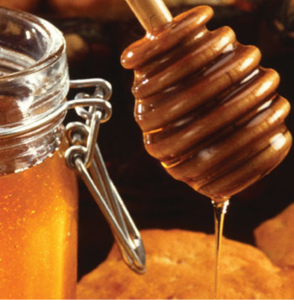
References
- Subrahmanyam M. Topical application of honey in treatment of burns. Br J Surg 1991;78:497-8.
- Al-Waili NS, Saloom KY. Effects of topical honey on post-operative wound infections due to gram-positive and gram-negative bacteria following caesarean sections and hysterectomies. Eur J Med Res 1999;4:126-30.
- Molan PC. The antibacterial activity of honey, Part 1 and Part 2. Bee World 1992;73:5-76.
- Allen K, et al. A survey of the antibacterial activity of some New Zealand honeys. J Pharm Pharmacol 1991;43:817-22.
- Somal NA, et al. Susceptibility of Helicobacter pylori to the antibacterial activity of manuka honey. J Royal Soc Med 1994;87:9-12.
1.Introduction
2.Antimicrobial Properties of Honey
2.1 Explanation of Antibacterial Activity
2.1.1 Osmotic Effect
2.1.2 Acidity
2.1.3 Hydrogen Peroxide
2.1.4 Phytochemical Factors
2.2 Variation in Antibacterial Activity
Potential Uses of Honey as an Antimicrobial Agent
3.1 Limitations to Usage
3.2 Honey as an Antiseptic Dressing
3.2.1 Established Usage of Honey as a Dressing
3.2.2 Importance of Antibacterial Activity
3.2.3 Effectiveness against Wound-infecting Species of Bacteria
3.2.4 Microbiological Safety
3.3 Honey for the Treatment of Mastitis in Dairy Animals
3.4 Honey for the Treatment of Peptic Ulcers
3.5 Honey for the Treatment of Gastroenteritis
3.6 Honey for the Treatment of Tineas
4. References
- Introduction
That honey has antibacterial properties has been known for more than a century 1. Although it has been used as a medicine since ancient times in many cultures 2,3, in its ancient usage there was no recognition of its antibacterial properties – it was just known to be an effective remedy. This is not surprising considering that it is only since the latter part of the last century that it has become known that many ailments are the result of infection by micro-organisms. Now it can be seen that the effectiveness of honey in many of its medical uses is probably due to its antibacterial activity. It is well established that honey inhibits a broad spectrum of bacterial species. There are many reports of bactericidal as well as bacteriostatic activity. There have also been reports of honey having antifungal activity. These numerous reports of the antimicrobial activity of honey have been comprehensively reviewed 4: the collation of data shows that honey is active against a wide range of bacterial and fungal species, many of which cause infections. However, there are ailments which may be treated with honey which have not had the infectious agents tested for their sensitivity to the antimicrobial activity of honey. Also, there has not been much distinction made in the different types of antimicrobial activity in honey to which the various microbial species are sensitive. For serious consideration to be given to the use of honey as a therapeutic agent it is necessary that these aspects be further investigated.
- Antimicrobial Properties of Honey
The numerous reports of investigations which have established the nature of the antimicrobial factors in honey are cited in a comprehensive review of this subject 4,5. A brief summary of what has been established is given here.
2.1 Explanation of Antibacterial Activity
2.1.1. Osmotic effect
Honey is a saturated or super-saturated solution of sugars, 84% being a mixture of fructose and glucose. The water content is usually only 15-21% by weight. The strong interaction of these sugar molecules with water molecules leaves very few of the water molecules available for microorganisms. This “free” water is what is measured as the water activity (aw): mean values for honey have been reported from 0.562 to 0.62. Although some yeasts can live in honeys that have a high water content, causing spoilage of the honey, the aw of ripened honey is too low to support the growth of any species, no fermentation occurring if the water content is below 17.1%. Many species of bacteria have their growth completely inhibited if the aw is in the range 0.94-0.99. These values correspond to solutions of a typical honey (aw of 0.6 undiluted) of concentrations from 12% down to 2% (v/v). On the other hand, some species have their maximum rate of growth when the aw is 0.99, so inhibition by the osmotic (water-withdrawing) effect of dilute solutions of honey obviously depends on the species of bacteria.
2.1.2. Acidity
Honey is characteristically quite acidic, its pH being between 3.2 and 4.5, which is low enough to be inhibitory to many animal pathogens. The optimum pH for growth of these species normally falls between 7.2 and 7.4. The minimum pH values for growth of some common wound-infecting species is: Escherichia coli, 4.3; Salmonella sp., 4.0; Pseudomonas aeruginosa, 4.4; Streptococcus pyogenes, 4.5. Thus in undiluted honey the acidity is a significant antibacterial factor. But if honey is diluted, especially by body fluids which are well buffered, the pH will not be so low and the acidity of honey may not be an effective inhibitor of many species of bacteria.
2.1.3. Hydrogen Peroxide
The major antibacterial activity in honey has been found to be due to hydrogen peroxide produced enzymically in the honey. The glucose oxidase enzyme is secreted from the hypopharyngeal gland of the bee into the nectar to assist in the formation of honey from the nectar.
The hydrogen peroxide and acidity produced by the reaction:
glucose + H2O+ O2 –> gluconic acid + H2O2 serve to preserve the honey. The hydrogen peroxide produced would be of effect as a sterilising agent only during the ripening of honey. Full-strength honey has a negligible level of hydrogen peroxide because this substance is short-lived in the presence of the transition metal ions and ascorbic acid in honey which catalyse its decomposition to oxygen and water. The enzyme has been found to be practically inactive in full- strength honey, it giving rise to hydrogen peroxide only when the honey is diluted. This is because the acidity produced in the action of the enzyme drops the pH to a point which is too low for the enzyme to work any more. On dilution of honey the activity increases by a factor of 2,500 – 50,000, thus giving a “slow-release” antiseptic at a level which is antibacterial but not tissue-damaging.
2.1.4. Phytochemical Factors
The evidence for the existence of other antibacterial factors is mainly that the peroxide- generating system does not account for all of the observed antibacterial activity, but there have also been some reports of isolation of antibacterial substances from honey that are not hydrogen peroxide. Furthermore, it has ben found that heating honey, which inactivates the glucose oxidase, causes loss of activity against some species whilst it is retained against others. Although the stability of the enzyme varies in different honeys, there have been reports of honeys with stability well in excess of this variation, showing that there must be an additional antibacterial factor involved. The most direct evidence for the existence of non-peroxide antibacterial factors in honey is seen in the reports of activity persisting in honeys treated with catalase to remove the hydrogen peroxide activity. Several chemicals with antibacterial activity have been identified in honey by various researchers: pinocembrin, terpenes, benzyl alcohol, 3,5-dimethoxy-4-hydroxybenzoic acid (syringic acid), methyl 3,5-dimethoxy-4-hydroxybenzoate (methyl syringate), 3,4,5-trimethoxybenzoic acid, 2-hydroxy-3-phenylpropionic acid, 2-hydroxybenzoic acid and 1,4-dihydroxybenzene. However, the quantities of these present were far too low to account for any significant amount of activity.
2.2. Variation in Antibacterial Activity
In almost all reports on the medical use of honey as an antibacterial agent no consideration is given to the selection of type of honey for therapeutic use. Aristotle, c.350 B.C. 6, and Dioscorides, c.50 A.D. 7, recommended that honey collected in specific regions and seasons (and therefore presumably from different floral sources) be used for the treatment of particular ailments, but in modern medicine clinical practitioners have not heeded these views nor the laboratory findings of large differences in the antibacterial potency of different honeys. It was recognised more than 40 years ago that there are differences in the antibacterial activity of different honeys, and a method was devised to determine the “inhibine number” of honeys as a measure of their antibacterial activity. The “inhibine number” is the degree of dilution to which a honey will retain its antibacterial activity, representing sequential dilutions of honey in steps of 5% from 25% to 5%. Studies measuring the “inhibine number” of honeys report activity to range over the five-fold difference in concentration in the dilution series, and studies using a wider range of dilutions report the minimum inhibitory concentrations of the honeys tested to range from 25 to 0.25%, >50 to 1.5%, 20-0.6%, and 50-1.5%. The data showed activities to be fairly well spread over these ranges. A study of 345 samples of New Zealand honeys 8 found a large number with low activity (36% of the samples had activity near or below the level of detection), the rest having almost a Gaussian distribution over a twenty-fold range of activity. The major variations seen in overall antibacterial activity are due to variation in the level of hydrogen peroxide that arises in honey, and in some cases to the level of non-peroxide factors. Hydrogen peroxide can be destroyed by components of honey: it can be degraded by reaction with ascorbic acid and metal ions, and by the action of the enzyme catalase which comes from the pollen and nectar of certain plants, more from the nectar. Als, very large differences have been found between honeys from different floral sources in the thermal stability of their glucose oxidase content, and in the sensitivity of this hydrogen peroxide-producing enzyme to denaturation by light because of a photosensitizing component that comes from some floral sources.
Although it appears that the honey from certain plants has better antibacterial activity than that from others, there is not enough evidence for such definite conclusions to be justified because the data are from small numbers of samples. However, honeys from some sources have been studied in large enough numbers or have been included in enough different studies for some trends to be noted. Honeydew honey from the conifer forests of the mountainous regions of central Europe has been found to have particularly high antibacterial activity. Also honey from manuka (Leptospermum scoparium) in New Zealand has been found to have a high activity, about half of this type of honey having an exceptionally high level of non-peroxide activity 9.
Thus it is important that when honey is to be used as an antimicrobial agent it is selected from honeys that have been assayed in the laboratory for antimicrobial activity. It is also important that honey for use as an antimicrobial agent be stored at low temperature and not exposed to light, so that none of the glucose oxidase activity is lost. Although all honey will stop the growth of bacteria because of its high sugar content, when the sugars are diluted by body fluids this antibacterial action is lost. The additional antibacterial components then become important.
- Potential Uses of Honey as an Antimicrobial Agent
3.1. Limitations to Usage
The popular literature on health and self-treatment of ailments gives the impression that honey can be taken to cure almost anything, but a rational consideration would suggest that the antimicrobial activity would be insignificant when an oral dose of honey becomes diluted after absorption from the gut into the many litres of fluid in the circulation and tissues of the body. Realistically, the potential for honey as an antimicrobial agent in medicine is in topical application rather than as a systemic agent, although there are some situations such as gastrointestinal infections or mastitis where the honey could remain localised and thus not become too dilute to be effectively antibacterial.
3.2. Honey as an Antiseptic Dressing
3.2.1. Established Usage of Honey as a Dressing
Honey has a well established usage as a wound dressing in ancient and traditional medicine 10. In recent times this has been re-discovered, and honey is in fairly widespread use as a topical antibacterial agent for the treatment of wounds, burns and skin ulcers, there being many reports of its effectiveness 11-23. The observations recorded are that inflammation, swelling and pain are quickly reduced, unpleasant odours cease, sloughing of necrotic tissue occurs without the need for debridement, dressings can be removed painlessly and without causing damage to re-growing tissue, and healing occurs rapidly with minimal scarring, grafting being unnecessary. In many of the cases honey was used on infected lesions not responding to standard antibiotic and antiseptic therapy. It was found in almost all of the cases to be very effective in rapidly clearing up infection and promoting healing.
3.2.2. Importance of Antibacterial Activity
Much of the effectiveness of honey as a dressing appears to be due to its antimicrobial properties. The healing process will not occur unless infection is cleared from a lesion: swabbing of wounds dressed with honey has shown that the infecting bacteria are rapidly cleared 13, 16, 18, 20, 24. In this respect honey is superior to the expensive modern hydrocolloid wound dressings as a moist dressing. Although tissue re-growth in the healing process is enhanced by a moist environment, and deformity is prevented if the re-growth is not forced down by a dry scab forming on the surface, moist conditions favour the growth of infecting bacteria. Antibiotics are ineffective in this situation, and antiseptics cause tissue damage, so slow the healing process 25. Honey is reported to cause no tissue damage, and appears to actually promote the healing process. There are also numerous reports of sugar being used as a wound dressing, this also being found to be effective 26-31. Antibacterial activity is attributed by several authors to the high osmolarity of the sugar or honey 11, 17, 22, 27, it not being generally recognised that some honeys can have additional antibacterial activity considerably greater than that due to the osmolarity. This additional activity would be of particular significance in situations where the dressing becomes diluted by body fluids, and in regions of a lesion that are not in direct contact with the dressing. Staphylococcus aureus is exceptionally osmotolerant: for complete inhibition of its growth the aw has to be lowered below 0.86, which would be a typical honey at 29% (v/v). In the reports of sucrose syrup or paste being used as a wound dressing it is noted that infection with Staphylococcus aureus is hard to clear. Measurements that have been reported 27 of the dilution occurring from the uptake of water from surrounding tissues when an abdominal wound was packed with sugar reveal that a saturated sucrose syrup containing undissolved granules becomes diluted in 7.5 hours to a concentration that is 30% of that of a saturated solution. Although the aw of this solution is low enough to prevent the growth of most human pathogens, it is not low enough to seriously restrict the growth of Staphylococcus aureus, a species which has developed resistance to many antibiotics and has become the predominant agent of wound sepsis in hospitals 32. But Staphylococcus aureus is one of the species most sensitive to the antibacterial activity of honey. There have been many reports of complete inhibition of Staphylococcus aureus by honeys diluted to much lower concentrations 4, showing the importance of the other antibacterial factors in selected honeys.
To know for certain the clinical significance of the additional antibacterial activity in honey, a clinical trial will need to be conducted to compare dressings of sugar and selected honeys. The little comparative work reported to date indicates that more rapid healing is achieved with honey than with sugar 12, 15. Since infection is one of the most common impediments to wound healing 33, then such results would be expected if the sugar dressing were not able to fully suppress the growth of bacteria as the sugar became diluted. The additional antibacterial activity of honey could be the reason for the remarkable rates of healing reported when honey has been used as a dressing 11, 13, 14.
3.2.3. Effectiveness against Wound-infecting Species of Bacteria
The seven species of bacteria most commonly involved in wound infection have been tested for their sensitivity to the antibacterial activity of honey 34. The two major forms of antibacterial activity were examined separately: a honey with an average level of activity due to hydrogen peroxide and no detectable non-peroxide activity was used; also a manuka honey with an average level of non-peroxide activity, with catalase added to remove any hydrogen peroxide. The results of this study are summarised in Table 1.
Overall there was little difference between the two types of antibacterial activity in their effectiveness, although some species were more sensitive to the action of one type of honey than they were to the other. The results thus showed that these honeys, with an average level of activity, could be diluted nearly ten-fold yet still completely inhibit the growth of all the major wound-infecting species of bacteria. It is notable that the manuka honey, with an average level of activity, could be diluted with 54 times its volume of fluid yet still completely inhibit the growth of Staphylococcus aureus, the major wound-infecting species, and a species notorious for its development of resistance to antibiotics.
Table 1.
|
Bacterial Species |
Manuka Honey |
Other Honey |
|
Escherichia coli |
3.7 |
7.1 |
|
Proteus mirabilis |
7.3 |
3.3 |
|
Pseudomonas aeruginosa |
10.8 |
6.8 |
|
Salmonella typhimurium |
6.0 |
4.1 |
|
Serratia marcescens |
6.3 |
4.7 |
|
Staphylococcus aureus |
1.8 |
4.9 |
|
Streptococcus pyogenes |
3.6 |
2.6 |
The minimum concentration of honey (%, v/v) in the growth medium needed to completely inhibit the growth of various species of wound-infecting bacteria.
There are frequent reports of hospital wards being closed because of the presence of strains of methicillin-resistant Staphylococcus aureus (MRSA). Because these strains are resistant to all of the antibiotics in common use it is necessary to protect patients with impaired immunity from exposure to them in case they contract infections which will not respond to treatment. The collection of strains of MRSA at Waikato Hospital have been tested for sensitivity to the two honeys described above 35. All of the strains were found to be completely inhibited by both honeys at 10% (v/v) in the growth medium, and many of the strains by the honeys at 5% (v/v).
3.2.4. Microbiological Safety
The use of honey as a wound dressing has been argued against because of the risk of it possibly causing wound botulism 36. Clostridia are widely distributed in nature, but there is a very low incidence of wound botulism. However, honey sometimes contains spores of Clostridium botulinum 37, so there is a definite risk of introducing the spores into wounds if honey is used as a dressing. If honey could be sterilized for use as a wound dressing this would remove the risk. The glucose oxidase activity which generates the hydrogen peroxide is very labile and would not withstand autoclaving 5. The non-peroxide activity of manuka honey is stable to much more heating 38, but there is some loss on autoclaving 39, and any hydrogen peroxide activity present in addition to the non-peroxide activity would be completely lost. Honey is too viscous for sterilization by filtration through microporous membranes, but sterilization by gamma-irradiation is a possibility. However, there have been no reports on whether or not the antibacterial factors in honey withstand this sterilizing treatment. Therefore a study was recently undertaken to determine the effect of gamma-irradiation on the antibacterial activity of honey 40. Honey samples were selected for their antibacterial activity, some manuka honeys with a high level of non-peroxide activity and a low level of hydrogen peroxide activity, others honeys with a high level of hydrogen peroxide activity only. They were put through a commercial sterilising plant which subjected all items processed to the standard 25 kGy of gamma-irradiation used for sterilising medical materials. The results of this study, summarised in Table 2, showed that there was no significant loss of either type of antibacterial activity when the honey samples were gamma-irradiated. A control honey very heavily seeded with Clostridial spores had no viable spores present after the same irradiation treatment.
Table 2.
|
|
Honey 1 |
Honey 2 |
Honey 3 |
Honey 4 |
Honey 5 |
|
Untreated,no catalase |
20.8±1.1 |
16.0±0.8 |
12.7±0.5 |
13.6±0.5 |
15.4±0.6 |
|
Irradiated, no catalase |
13.1±0.7 |
14.6±0.5 |
14.9±0.6 |
21.3±1.0 |
16.3±0.6 |
|
Untreated, with catalase |
0.0±0.0 |
0.0±0.0 |
12.8±0.4 |
12.1±0.6 |
16.3±0.5 |
|
Irradiated, with catalase |
0.0±0.0 |
0.0±0.0 |
13.2±0.4 |
13.5±0.5 |
16.5±0.6 |
Comparison of the antibacterial activity of various samples of honey before and after sterilization by gamma-irradiation. The activity is shown as the diameter (mm), ± S.D. (n=16), of the clear zone obtained in an agar well diffusion assay using plates seeded with Staphylococcus aureus. Total activity (i.e. 25% w/v honey in water) and non-peroxide activity (i.e. 25% w/v honey in catalase solution) are shown.
3.3. Honey for the Treatment of Mastitis in Dairy Animals
One type of infection in which a localised high concentration of honey could be achieved is mastitis in dairy cows and goats. This can be an expensive and difficult condition to treat. The standard treatment is the introduction of antibiotics into the teat canal of the infected udder, but milk has to be withheld from use until clear of antibiotic residues. Honey could possibly be suitable for the treatment of mastitis if inserted into the infected udder via the teat canal as it is harmless to tissues and would leave no undesirable residues in milk. As a first step in evaluating this possibility, the seven species of bacteria that most commonly cause mastitis in dairy cattle were tested for their sensitivity to the antibacterial activity of honey. Cultures of these were spread on nutrient agar plates containing various concentrations of two types of natural honey and an artificial honey, and the growth of the bacteria was assessed to find the concentration of honey that was necessary to prevent growth of the bacteria. The natural honeys used were a rewarewa honey with an average level of activity due to hydrogen peroxide and no detectable non-peroxide activity, and a manuka honey with an average level of non-peroxide activity and no detectable peroxide activity. The artificial honey was used to assess the sensitivity of the bacteria to the osmotic action and acidity of honey.
The results of this study 41 are summarised in Table 3. It can be seen that the growth of all seven species was completely inhibited by a 1 in 10 dilution of the natural honeys, in some cases a 1 in 20 dilution being sufficient. The manuka honey was noticeably more effective. Since only one species was inhibited by the artificial honey at a 1 in 10 dilution, it can be seen that the other antibacterial factors in natural honeys are important, and honeys should be selected for a high level of these if they are to be subjected to trial in the treatment of clinical mastitis.
Table 3.
|
Bacterial Species |
Manuka Honey |
Rewarewa Honey |
Artificial Honey |
|
Actinomyces pyogenes |
1-5% |
1-5% |
5-10% |
|
Klebsiella pneumoniae |
5-10% |
5-10% |
<10% |
|
Nocardia asteroides |
1-5% |
5-10% |
<10% |
|
Staphylococcus aureus |
1-5% |
1-5% |
<10% |
|
Streptococcus agalactiae |
1-5% |
5-10% |
<10% |
|
Streptococcus dysgalactiae |
1-5% |
5-10% |
<10% |
|
Streptococcus uberis |
1-5% |
5-10% |
<10% |
Minimum inhibitory concentration of honeys (% v/v in nutrient agar) for cultures of various mastitis- causing bacteria streaked on the agar plates.
3.4. Honey for the Treatment of Peptic Ulcers
Honey is a traditional remedy for dyspepsia and peptic ulcers 42, but there has been no rational basis for its use. The finding that Helicobacter pylori is probably the causative agent in many cases of dyspepsia and peptic ulcers raised the possibility that the antibacterial properties may be responsible for its therapeutic action. Consequently, the sensitivity of Helicobacter pylori to honey was tested 42, using isolates of Helicobacter pylori from biopsies of gastric ulcers. All five isolates tested were found to be sensitive in an agar well diffusion assay to a 20% (v/v) solution of a manuka honey with an average level of non-peroxide activity, but none showed sensitivity to a 50% (v/v) solution of a honey in which the antibacterial activity was due primarily to its content of hydrogen peroxide. Assessment of the minimum inhibitory concentration by inclusion of manuka honey in the agar showed that the growth of all of a further seven isolates tested was completely inhibited over the incubation period of 72 h by the presence of 5% (v/v) honey.
3.5. Honey for the Treatment of Gastroenteritis
Honey has been found to be effective in treating bacterial gastroenteritis in infants 43. Used in place of glucose in an oral re-hydration fluid, it was found to be as effective as glucose in achieving re-hydration, whilst the antibacterial activity cleared the infection in bacterial diarrhoea. However, there is little information available on the sensitivity of the gastroenteritis-causing species of bacteria to the antibacterial activity of honey, and on which of the antibacterial factors in honey is most effective against them. Therefore honey was tested for its relative antibacterial potency against all the bacterial species that commonly cause gastroenteritis, comparing manuka honey and a honey with the usual hydrogen peroxide activity, also an artificial honey to assess how much of the antibacterial activity was due simply to the acidity and the osmotic effect of the sugar in honey. 44 With some of the species of bacteria the assessment was repeated with additional strains obtained from clinical isolates supplied by medical and animal health laboratories to see if there was any variation in sensitivity between different strains of a species.
Cultures of the bacteria were streaked on nutrient agar plates containing various concentrations of the honeys, and the growth of the bacteria was assessed to find the concentration of honey that was necessary to prevent growth of the bacteria. The honeys used were a mixed pasture honey with an average level of activity due to hydrogen peroxide and no detectable non-peroxide activity, and a manuka honey with an average level of non-peroxide activity. Honey concentrations were in a 5% (v/v) step dilution series initially and then with 1% dilution steps, the honey being diluted with either sterile distilled water (for the pasture honey and artificial honey) or a sterile solution of 0.2% catalase (for the manuka honey). Plates where inhibition of growth was observed were swabbed with a loopful of sterile water and streaked onto freshly prepared nutrient agar plates which did not contain honey. The plates were then incubated to find any surviving bacteria growing into visible colonies if the initial inhibition had been due to prevention of growth (bateriostasis) rather than killing the bacteria (bactericidal activity).
The results, summarised in Table 4, showed that honey with an average level of hydrogen peroxide activity is bacteriostatic at 4-8% (v/v) and bactericidal at 5-10% (v/v). The non-peroxide activity of an average manuka honey is bacteriostatic at 5-11% (v/v) and bactericidal at 8-15% (v/v). Activity (just bacteriostatic) was not seen with artificial honey unless it was at 20-30% (v/v), clearly showing the importance of factors other than sugar and acidity.
Table 4.
|
Bacterial strain |
Manuka honey with catalase; |
Pasture honey |
||||
|
|
PI |
BS |
BC |
PI |
BS |
BC |
|
Escherichia coli 916 |
6% |
7% |
10% |
5% |
6% |
6% |
|
Escherichia coli ex AHL |
6% |
7% |
10% |
– |
6% |
6% |
|
Escherichia coli K88+ |
6% |
6% |
– |
10% |
7% |
6% |
|
Salmonella enteritis 3484 |
7% |
8% |
10% |
4% |
– |
6% |
|
Salmonella hadar 326 |
6% |
7% |
10% |
– |
6% |
6% |
|
Salmonella infantis 93 |
7% |
8% |
10% |
6% |
7% |
10% |
|
Salmonella typhimurium 298 |
6% |
7% |
8% |
– |
6% |
8% |
|
Salmonella typhimurium 1739 |
6% |
7% |
9% |
– |
6% |
7% |
|
Salmonella typhimurium ex WH |
– |
5% |
10% |
– |
5% |
10% |
|
Shigella boydii 2616 |
6% |
7% |
10% |
– |
5% |
6% |
|
Shigella flexneri 983 |
6% |
7% |
10% |
– |
6% |
6% |
|
Shigella sonnei 86 |
6% |
7% |
10% |
– |
5% |
5% |
|
Shigella sonnei ex WH |
5% |
6% |
10% |
– |
6% |
10% |
|
Vibrio cholorae |
5% |
7% |
10% |
6% |
7% |
10% |
|
Vibrio paraheamolyticus |
5% |
6% |
10% |
– |
4% |
6% |
|
Yersinia enterocolitica |
10% |
11% |
15% |
7% |
8% |
9% |
Minimum inhibitory concentration of honeys in nutrient agar plates (% v/v) giving partial inhibition (PI), bacteriostatic activity (BS) and bactericidal activity (BC) against various strains of bacteria which cause gastroenteritis.
3.6. Honey for the Treatment of Tineas
Honey has been reported to have antifungal activity, but not many species of fungi have been tested. An important group of fungi which regularly infect humans are the dermatophytes (Deuteromycotina). Cutaneous or superficial mycoses, caused through host infection by these fungi, are one of the most common diseases of humans. Only a small number of species of these, from the genera Epidermophyton , Microsporum and Trichophyton, regularly infect humans 45. Superficial fungal infections are amongst the most difficult diseases to successfully treat, antibiotics which successfully combat bacterial diseases being largely ineffective against fungi. A common predisposition to some fungal infections is poor host immunity, thus bacterial infections may also be present quite often. So a treatment which has both antifungal and antibacterial activities would be most beneficial. Therefore the effectiveness of honey against the dermatophyte species which most frequently cause superficial mycoses (tineas such as ringworm and athletes foot) was investigated 46.
For this investigation two sorts of natural honey were used: a mixed pasture honey with an average level of antibacterial activity due to hydrogen peroxide production, and a manuka honey with an average level of non-peroxide antibacterial activity. An artificial honey was also used, to assess how much of the antibacterial activity was due simply to the acidity and the osmotic effect. The honeys were tested against clinical isolates of seven species of dermatophytes. An agar well diffusion assay was used, the contents of the wells being replaced with freshly prepared honey solutions at 24 hour intervals over the 3 – 4 days of incubation. The honeys were diluted with either sterile distilled water or a sterile solution of 0.2% catalase, a 5% (v/v) step dilution series being used for testing.
The results are summarised in Table 5. No inhibitory activity was detected with any of the seven species with the pasture honey at any concentration up to the highest tested, 50% (v/v), when catalase was present, nor with the artificial honey even at 100%. This showed that it was the the hydrogen peroxide in the pasture honey, and the non-peroxide activity in the manuka honey, that were inhibiting the growth of the fungi. Although the concentrations of honey needed to inhibit some of the dermatophytes are higher than needed to inhibit bacteria, less dilution of the honey is likely with a tinea than with infected wounds, burns and ulcers where there would be serum exudation. It could be that manuka honey may be more effective, even though the dermatophytes are less sensitive to its activity than they are to hydrogen peroxide, if there is insufficient dilution of honey on tineas for the enzymic production of hydrogen peroxide to be activated. Which type of honey is most effective, and the practical usefulness of honey as a topical antifungal salve, will only be known if comparative clinical trials are conducted.
Table 5.
|
Bacterial Species |
Pasture honey |
Manuka honey |
Manuka honey with catalase |
|
Epidermophyton floccosum |
5-10% |
5-10% |
20-25% |
|
Microsporum canis |
10-15% |
20-25% |
20-25% |
|
Microsporum gypseum |
15-20% |
45-50% |
50-55% |
|
Trichophyton rubrum |
2.5-5% |
5-10% |
15-20% |
|
Trichophyton tonsurans |
15-20% |
20-25% |
20-25% |
|
T. mentagrophytes var. interdigitale |
10-15% |
20-25% |
40-45% |
|
T. mentagrophytes var. mentagrophytes |
10-15% |
15-20% |
20-25% |
Bacterial Species Pasture honey Manuka honey Manuka honey with catalase. Minimum inhibitory concentration of honeys in agar wells (% v/v) giving a clear zone around the wells in an agar well diffusion assay against seven species of fungi which cause tineas.
- References
- Dustmann J H. (1979) Antibacterial Effect of Honey. Apiacta 14, 7-11.
- Majno G: The Healing Hand. Man and Wound in the Ancient World. Harvard University Press Cambridge, Massachusetts. 1975.
- Ransome H M: The Sacred Bee in Ancient Times and Folklore. George Allen and Unwin London. 1937.
- Molan P C. (1992) The Antibacterial Activity of Honey. 1. The Nature of the Antibacterial Activity. Bee World 73, 5-28.
- Molan P C. (1992) The Antibacterial Activity of Honey. 2. Variation in the Potency of the Antibacterial Activity. Bee World 73, 59-76.
- Aristotle (350 B.C.). Translated by Thompson DÕA W. Historia Animalium in: The Works of Aristotle (Smith J A, Ross W D editors) Oxford University Press Oxford 1910 Volume IV.
- Gunther R T: The Greek Herbal of Dioscorides (Translated by Goodyear J, 1655). Hafner N. Y. 1934, reprinted 1959.
- Allen K L, Molan P C, Reid G M. (1991) A Survey of the Antibacterial Activity of Some New Zealand Honeys. J. Pharm. Pharmacol. 43, 817-822.
- Allen K L, Molan P C, Reid G M. (1991) The Variability of the Aantibacterial Activity of Honey. Apiacta 26, 114-121.
- Zumla A, Lulat A. (1989) Honey – a Remedy Rediscovered. J. Royal Soc. Med. 82, 384-385.
- Bulman M W. (1955) Honey as a Surgical Dressing. Middlesex Hosp. J. 55, 188-189.
- Hutton D J. (1966) Treatment of Pressure Sores. Nurs. Times 62, 1533-1534.
- Cavanagh D, Beazley J, Ostapowicz F. (1970) Radical Operation for Carcinoma of the Vulva. A New Approach to Wound Healing. J. Obstet. Gynaecol. Br. Cmwlth. 77, 1037-1040.
- Blomfield R. (1973) Honey for Decubitus Ulcers. J. Am. Med. Assoc. 224, 905.
- Burlando F. (1978) Sull’azione Terapeutica del Miele nelle Ustioni. Minerva Dermat. 113, 699-706.
- Armon P J. (1980) The Use of Honey in the Treatment of Infected Wounds. Trop. Doct. 10, 91.
- Bose B. (1982) Honey or Sugar in Treatment of Infected Wounds? Lancet i, 963.
- Dumronglert E. (1983) A Follow-up Study of Chronic Wound Healing Dressing with Pure Natural Honey. J. Natl Res. Counc. Thail. 15, 39-66.
- Kandil A, Elbanby M, Abd-Elwahed K, Abou Sehly G, Ezzat N. (1987) Healing Effect of True Floral and False Nonfloral Honey on Medical Wounds. J. Drug Res. (Cairo) 17, 71-75.
- Effem S E E. (1988) Clinical Observations on the Wound Healing Properties of Honey. Br. J. Surg. 75, 679-681.
- Farouk A, Hassan T, Kashif H, Khalid S A, Mutawali I, Wadi M. (1988) Studies on Sudanese Bee Honey: Laboratory and Clinical Evaluation. Int. J. Crude Drug Res. 26, 161-168.
- Green A E.(1988) Wound Healing Properties of Honey. Br. J. Surg. 75, 1278.
- McInerney R J F. (1990) Honey – a Remedy Rediscovered. J. Royal Soc. Med. 83, 127.
- Braniki F J. (1981) Surgery in Western Kenya. Ann. Royal Coll. Surg. Engl. 63, 348-352.
- Brånemark P-I, Ekholm R, Albrektsson B, Lindström J, Lundborg G, Lundskog J. (1967) Tissue Injury Caused by Wound Disinfectants. J. Bone Joint Surg. Am. Vol. 49, 48-62.
- Knutson R A, Merbit L A, Creekmore M A, Snipes H G. (1981) Use of Sugar and Povidone- iodine to Eenhance Wound Healing: Five Years Experience. South. Med. J. 74, 1329-1335.
- Chirife J, Herszage L, Joseph A, Koh E S. (1983) In Vitro study of Bacterial Growth Inhibition in Concentrated Sugar Solutions: Microbiological Basis for the Use of Sugar in Treating Infected Wounds. Antimicrob. Agents Chemother. 23, 766-773.
- Rahal F, Mimica I M, Pereira V, Athié E. (1984) Sugar in the Treatment of Infected Surgical Wounds. Internat. Surg. 69, 308.
- Middleton K, Seal D V. (1985) Sugar as an Aid to Wound Healing. Pharm. J. 235, 757-758.
- Trouillet J L, Fagon J Y, Domart Y, Chastre J, Pierre J, Gibert C. (1985) Use of Granulated Sugar in Treatment of Open Mediastinitis after Cardiac Surgery. Lancet ii, 180-184.
- Shimamoto Y, Shimamoto H, Fujihata H, Nakamura H, Matsuura Y. (1986) Topical Application of Sugar and Povidone-iodine in the Management of Decubitus Ulcers in Aged Patients. Hiroshima J. Med. Sci. 35, 167-169.
- Lowbury E J L, Ayliffe G A J: Drug Resistance in Antimicrobial Therapy. Thomas Springfield, Illinois. 1974.
- Smith M, Enquist I F. (1967) A Quantitative Study of Impaired Healing Resulting from Infection. Surg. Gynecol. Obstet. 125, 965-973.
- Willix D J, Molan P C, Harfoot C J. (1992) A Comparison of the Sensitivity of Wound-infecting Species of Bacteria to the Antibacterial Activity of Manuka Honey and Other Honey. J. Appl. Bacteriol. 73, 388-394.
- Hancock B M: Microbiology Dept., Waikato Hospital, Hamilton, New Zealand: unpublished findings.
- Mossel D A A. (1980) Honey for Necrotic Breast Ulcers. Lancet ii, 1091.
- Huhtanen C N, Knox D, Shimanuki H. (1981) Incidence of Clostridium botulinum Spores in Honey. J. Food Prot. 44, 812-814 .
- Molan P C, Russell K M. (1988) Non-peroxide Antibacterial Activity in Some New Zealand Honeys. J. Apic. Res. 27, 62-67.
- Allen K L: University of Waikato, Hamilton, New Zealand: unpublished findings.
- Molan P C, Allen K L. (1996) The Effect of Gamma-irradiation on the Antibacterial Activity of Honey. J. Pharm. Pharmacol. In press.
- Allen K L, Molan P C. The Sensitivity of Mastitis-causing Bacteria to the Antibacterial Activity of Honey. Submitted for publication.
- Al Somai N, Coley K E, Molan P C, Hancock BM. (1994) Susceptibility of Helicobacter pylori to the Antibacterial Activity of Manuka Honey. J. Royal Soc. Med. 87, 9-12.
- Haffejee I E, Moosa A. (1985) Honey in the Treatment of Infantile Gastroenteritis . Br. Med. J. 290, 1866-1867.
- Brady N F, Molan P C. The Sensitivity of Enteropathogenic Bacteria to the Antibacterial Activity of Honey. Paper in preparation.
- Rademaker M. (1993). Superficial Dermatophyte Infections. N. Z. Med. J. 106, 14-16.
- Brady N F, Molan P C, Harfoot C G. The sensitivity of dermatophytes to the antimicrobial activity of honey. Submitted for publication.
© The University of Waikato
Introduction
Royal jelly is secreted by the hypopharyngeal gland (sometimes called the brood food gland) of young worker (nurse) bees, to feed young larvae and the adult queen bee. Royal jelly is always fed directly to the queen or the larvae as it is secreted; it is not stored. This is why it has not been a traditional beekeeping product. The only situation in which harvesting becomes feasible is during queen rearing, when the larvae destined to become queen bees are supplied with an over-abundance of royal jelly. The queen larvae cannot consume the food as fast as it is provided and royal jelly accumulates in the queen cells. The exact definition of commercially available royal jelly is therefore related to the method of production: it is the food intended for queen bee larvae that are four to five days old.
The differentiation between queen and worker bees is related to feeding during the larval stages. Indeed, all female eggs can produce a queen bee, but this occurs only when, during the whole development of the larvae and particularly the first four days, they are cared for and fed “like a queen”. Queen rearing, regulated by complex mechanisms within the hive, induces in a young larva a series of hormonal and biochemical actions and reactions that make it develop into a queen bee. A queen bee differs from a worker bee in various ways :
-in its morphology: the queen develops reproductive organs while the worker bee develops organs related to its work such as pollen baskets, stronger mandibles, brood food glands and wax glands.
-in its development period: on average the queen develops in 15.5 days while worker bees require 21 days.
-in its life span: the queen lives for several years as compared to a few months for the worker bee,
-and its behaviour: the queen lays up to several thousand eggs a day while workers lay eggs only occasionally. Unlike workers, the queen never participates in any common hive activities.
It is mainly the spectacular fertility and long life-span of the queen, exclusively fed on royal jelly, which have suggestively led people to believe that royal jelly produces similar effects in humans. In the early 1950’s, articles began to appear, particularly in the French beekeeping press, in praise of the virtues of royal jelly, referring to research conducted in several hospitals. Chauvin (1968) however, was unable to find the source of such information and therefore considered it unfounded.
The myth of royal jelly started with an amazing biological phenomenon on the one hand and commercial speculation on the other, which, on the basis of initial results obtained by entomologists and physiologists, exploited the suggestibility and imagination of consumers willing to be seduced by the fascination of this rare and unknown product was exploited. In fact, royal jelly was so rare and so little known that it was impossible to verify its actual presence in many products claiming its content.
In the years immediately following its first marketing, royal jelly quickly became widely known and consumed and the increasing demand motivated experts to refine production techniques and led more and more beekeepers to specialize in this activity. At the same time, research on quality control of the commercial product and identification of its biological and clinical properties found growing support.
Consumption of royal jelly has been growing ever since, even without its benefit to human health having ever been scientifically confirmed. The Western medical establishment has always been wary of the effects claimed for this product and in most cases refuses to consider it, largely because of the way royal jelly was initially promoted. In spite of a vast number of publications praising its virtues and the apparently abundant bibliography, there is still a serious lack of scientific data on the clinical effects of royal jelly.
Physical characteristics of royal jelly
Royal jelly is a homogeneous substance with the consistency of a fairly fluid paste. It is whitish in colour with yellow or beige tinges, has a pungent phenolic odour and a characteristic sour flavour. It has a density of approximately 1.1 g/cm3 (Lercker et al., 1992) and is partially soluble in water. Aqueous solutions clarify during basification with soda.
Viscosity varies according to water content and age – it slowly becomes more viscous when stored at room temperature or in a refrigerator at 50C. The increased viscosity appears to be related to an increase in water insoluble nitrogenous compounds, together with a reduction in soluble nitrogen and free amino acids (Takenaka et al., 1986). These changes are apparently due to continued enzymatic activities and interaction between the lipid and protein fractions. If sucrose is added, royal jelly becomes more fluid (Sasaki et al., 1987). Such changes in viscosity have also been related to the phenomena which regulate caste differentiation in a bee colony.
Certain debris in royal jelly, is a sign of purity as, for example, the ever present fragments of laarval skin. Wax fragments too, are encountered more or less regularly, but their presence is largely dependent on the collection method. Stored royal jelly often develops small granules due to precipitation of components.
The composition of royal jelly
Numerous chemical analyses of royal jelly have been published over the years. Only recently though, have highly refined technologies given detailed analyses of the unusual composition and complexity of this somewhat acidic substance (pH 3.6 to 4.2).
The principal constituents of royal jelly are water, protein, sugars, lipids and mineral salts. Although they occur with notable variations (Table 1.1) the composition of royal jelly remains relatively constant when comparing different colonies, bee races and time.
Water makes up about two thirds of fresh royal jelly, but by dry weight, proteins and sugars are by far the largest fractions. Of the nitrogenous substances, proteins average 73.9% and of the six major proteins (Otani et al., 1985) four are glycoproteins (Takenaka, 1987). Free amino acids average 2.3% and peptides 0.16% (Takenaka, 1984) of the nitrogenous substances. All amino acids essential for humans are present and a total of 29 amino acids and derivatives have been identified, the most important being aspartic acid and glutamic acid (Howe et al., 1985). The free amino acids are proline and lysine (Takenaka, 1984 and 1987). A number of enzymes are also present including glucose oxidase (Nye et al., 1973) phosphatase and cholinesterase (Ammon and Zoch, 1957).An insulin-like substance has been identified by Kramer et al. (1977 and 1982).
Table 1.1 :
Composition of royal jelly (form Lercker et al., 1984 and 1992)
|
|
Minimum |
Maximum |
|
Water |
57% |
70% |
|
Proteins (N x 6.25) |
17% of dry weight |
45% of dry weight |
|
Sugars |
18% of dry weight |
52% of dry weight |
|
Lipids |
3.5% of dry weight |
19% of dry weight |
|
Minerals |
2% of dry weight |
3% of dry weight |
The sugars consist mostly of fructose and glucose in relatively constant proportions similar to those in honey. Fructose is prevalent. In many cases fructose and glucose together account for 90% of the total sugars. The sucrose content varies considerably from one sample to another. Other sugars present in much lower quantities are maltose, trehalose, melibiose, ribose and erlose (Lercker et al., 1984, 1986 and 1992).
The lipid content is a unique and from many points of view, a very interesting feature of royal jelly. The lipid fraction consists to 80-90% (by dry weight) of free fatty acids with unusual and uncommon structures. They are mostly short chain (8 to 10 carbon atoms) hydroxy fatty acids or dicarboxylic acids, in contrast to the fatty acids with 14 to 20 carbon atoms which are commonly found in animal and plant material. These fatty acids are responsible for most of the recorded biological properties of royal jelly (Schmidt and Buchmann, 1992). The principal acid is 10-hydroxy-2-decanoic acid, followed by its saturated equivalent, lO-hydroxydecanoic acid. In addition to the free fatty acids, the lipid fraction contains some neutral lipids, sterols (including cholesterol) and an unsaponifiable fraction of hydrocarbons similar to beeswax extracts (Lercker et al., 1981, 1982, 1984 and 1992).
The total ash content of royal jelly is about 1 % of fresh weight or 2 to 3 % of dry weight. The major mineral salts are, in descending order: K, Ca, Na, Zn, Fe, Cu and Mn, with a strong prevalence of potassium (Benfenati et al., 1986).
The vitamin content has been the object of numerous studies, from the moment when the first research (Aeppler, 1922) showed that royal jelly is extremely rich in vitamins. Table 1.2 indicates the results obtained by Vecchi et al., (1988) with regard to water-soluble vitamins. Other authors report averages close to the minimum values of Table 1.2 (Schmidt and Buchmann, 1992). Only traces of vitamin C can be found.
As far as the fat-soluble vitamins are concerned, it was initially thought that, given the enormous fertility of the queen bee, royal jelly would contain vitamin E. But tests have shown that it does not. Vitamins A, D and K are also absent (Melampy and Jones, 1939).
During the first studies, much emphasis was placed on the search for sex hormones in royal jelly. The first positive tests were later proven wrong. Melampy and Stanley (1940) showed no gonadotropic effects on female rats and Johansson and Johansson (1958) clearly demonstrated the absence of any human sex hormones. Recently though, with much more sensitive radio-immunological methods, testosterone has been identified in extremely small quantities: 0.012 ~g/g fresh weight (Vittek and Slomiany, 1984). In comparison, a human male produces daily 250,000 to 1 million times the amount present in one gram of fresh royal jelly (Schmidt and Buchmann, 1992). No biological effect has been demonstrated for such small amounts.
Table 1.2
Vitamin content of royal jelly in fesch weight (Vecchi et al., 1988)
|
|
Thiamine |
Ribo- |
Pant. |
Pyri- |
Niacin |
Folic |
Inositol |
Biotin |
|
Min |
1.44 |
5 |
159 |
1.0 |
48 |
0.130 |
80 |
1.1 |
|
Max |
6.70 |
25 |
265 |
48.0 |
88 |
0.530 |
350 |
19.8 |
Numerous minor compounds, belonging to diverse chemical categories, have been identified in royal jelly. Among these are two heterocyclic substances, biopterine and neopterine at 25 and 5 ijg/g of fresh weight respectively. These compounds are found in the food of worker bee larvae too, but at about one tenth of these concentration (Rembold, 1965). Other substances identified include several nucleotides as free bases (adenosine, uridine, guanosine, iridin and cytidine) the phosphates AMP, ADP, and ATP (Marko et al., 1964), acetylcholine (1 mglg dry weight, Henschler, 1954) and gluconic acid (0.6% of fresh weight, Nye et al., 1973).
In all popular and scientific literature, there is a fraction of royal jelly described as “other, as yet unknown”. This phrase not only emphasizes the incomplete state of analytical knowledge about the product, but also the lack of understanding of the biological activities (proven or presumed) of royal jelly. Up to now, despite many efforts, most of these activities have not been proven definitely, nor have they been attributed to any of the known components.
The physiological effects of royal jelly
On honeybees
The effect of royal jelly on honeybee larvae, for which it was originally intended as food, is briefly described since in addition to being a fascinating biological phenomenon, it is also the basis of the royal jelly “myth”.
In the 1950’s, in the wake of new discoveries in the medical field of such wonder drugs as penicillin, hormones and vitamins became “popular” and were seen by many as the simple answers to many biological questions. The elusive “hormonal” effect of royal jelly on honeybee larvae led to the belief that its almost miraculous action on bee larvae could be similar on humans.
By deduction these “hormonal” effects were not only responsible for the caste differentiation between worker and queen bee, but also for the enormous fertility of a queen genetically equal to a worker bee, distinguished apparently only by the food it ate. The same applies to the queen’s longevity, unique for an adult insect. Though it is known that royal jelly is a necessary food for the queen’s survival and productivity, it is not known which royal jelly fractions are essential, which ones can be replaced and what constitutes minimum or optimum requirements for a queen. Almost all the attention has been focused on the immature stages of development.
Numerous studies were carried out to discover hormones or other substances powerful enough to induce all the necessary changes and give the queen such “superior” qualities. Indeed, the initial studies led to the belief that a “queen determinator” did exist and was an extremely unstable substance (as elusive as eternal life). It appeared to be so unstable that one day after secretion, it was already ineffective. However, the results of other studies did not confirm this hypothesis.
In an attempt to identify the queen determinator, all the components of royal jelly, particularly the more unusual ones or those with known biological activity or present in greater quantity have been tested. In the late 1980’s the mystery had still not been solved and a number of contrasting hypotheses had produced equally convincing explanations. Rembold et al. (1974) ware thought to have been close to identifying a specific substance with queen determinator activity which they had isolated; other researchers proposed a differentiation mechanism based on the different proportions of nutrients in the food of worker and queen bee larvae. Weiss (1975) and Asencot and Lensky (1975) believed it was the sugar content of larval food (higher for the young queen bee larvae) that was supposed to cause the differentiation into queens.
More recently, Sasaki et al. (1987) proposed yet another hypothesis incorporating the many contrasting results from other researchers and suggested the “correct” viscosity of royal jelly was a key factor together with higher consumption, but even this theory still has to be substantiated with proof. In other words, it is still not known how royal jelly works nor what is responsible for its amazing effects.
However, if parallels are still being drawn between honeybees and royal jelly, and humans and royal jelly, then they should serve to emphasize the complexity and interdependence of different therapies and factors such as who is taking what, when and how much. Eating royal jelly, or rubbing it into the skin will not make anyone younger or live for a thousand years. On the other hand, using it to supplement and support other diets, activities or medicines may have synergistic effects which cannot be explained by a list of compounds and their individual effects. Tests of such a hypothesis in clinical and scientific trials are needed. There is plenty of circumstantial evidence, reviewed in the following section, that leads us to believe that royal jelly might be highly beneficial to mankind.
Unconfirmed circumstantial evidence
Royal jelly was initially advertised for its rejuvenating effects (De Belfever, 1958). The activities most frequently reported in advertisements and constantly confirmed in the declarations of those who have taken royal jelly are indicated in Table 1.3, citing the contents of one of Europe’s most widespread and popular publication on the subject (Donadieu, 1978). Royal jelly, taken orally for 1-2 months by swallowing or letting it melt under the tongue in doses of 200-500 mg a day, is said to act as a tonic and stimulant, with a euphoric effect on healthy humans.
In addition to these indications, users declared that royal jelly had solved most of their health problems. In many cases these were chronic or recurring disorders, for which other treatments did not lead to the desired results, so that the effects obtained by taking royal jelly have been considered “miraculous”.
It must be emphasised that these claims are unconfirmed by any scientific studies or documentation. There is no proof that the effects are exclusively or even mostly attributable to royal jelly.
People who have taken royal jelly said that they soon experienced a feeling of general well-being, i.e. an effect on their physical output (resistance to fatigue), intellectual performance (greater learning capacity and better memory) and on their mental condition (greater self-confidence, feeling of well-being and euphoria). In other words, royal jelly appears to act as a general stimulant, improving immune response and general body functions.
Table 1.3:
A list of properties, benefits and improvements attributed to royal jelly quoted from personal case histories and non-scientific literature.
|
Internal Use |
External Use |
|
Tonic |
Skin conditions |
|
Stimulant |
Epithelial stimulation and regrowth |
|
General health improvement |
Anti-wrinkle |
|
Anorexia |
Sebaceous secretion normalized |
|
Increased appetite |
|
|
Skin conditions |
|
|
Sexual desire and performance |
|
|
Influenza |
|
|
Increased resistance to viral infections |
|
|
High blood pressure |
|
|
Low blood pressure |
|
|
Anaemia |
|
|
Arteriosclerosis |
|
|
Cholesterol levels |
|
|
Chronic and incurable disorders |
|
Scientific evidence
Royal jelly is neither toxic when injected into mice and rats at high dosages of up to 3 g per kg body weight per day (Hashimoto et al., 1977) nor mutagenic, as tested on DNA of Salmonella typimurium (Tamura et al., 1985).
Takahashi et al., (1983) reported cases of allergic contact dermatitis in 2 out of 10 patients subjected to patch tests. In the context of allergic reactions it needs to be mentioned that intramuscular or intraperitoneal injections, the most common form of royal jelly administration in early years, have been completely abandoned (even under strict medical supervision) because of the risk of serious allergic reactions (Dillon and Louveaux, 1987) Today, royal jelly is most often administered orally and externally (in cosmetics).
In vitro studies have confirmed that lO-hydroxydecanoic acid in royal jelly has antibiotic activity. The antibiotic effectiveness is thermostable, i.e. is not destroyed by moderate heating, but it decreases with improper or long-term storage. Antibiotic action has been proven against the following microorganisms: Escherichia coli, Salmonella, Proteus, Bacillus subtilis and Staphylococcus aureus (Lavie, 1968; Yatsunami and Echigo, 1985). It shows one quarter of the activity of penicillin against Micrococcus pyrogens and is also fungicidal (Blum et al., 1959). In vitro, antiviral effects have been described (Derivici and Petrescu, 1965) and better resistance to viral infections has been observed in mice.
This same antibiotic action of fatty acids is neutralized by raising the pH above 5.6. Since injection into blood, muscle or the peritoneal cavity will raise the pH to 7.4, and the pH is above 5.6 in the intestines, the therapeutic value of the anti-bacterial activity of fatty acids is likely to be negligible for any internal applications, but will remain effective for topical use.
In studies on the internal effects of royal jelly with live animals or humans the jelly is usually administered either by mouth or by injection. The latter allows better assessment of hormonal activities ascribed to royal jelly but carries a substantial risk of allergic reactions.
Oral administration
Positive effects on reproductivity, though not necessarily due to hormone-like action, have been reported at least for chickens, quails and rabbits. Rabbits reacted to a normal diet supplemented with 100-200 mg of royal jelly per kilogramme of body weight with increased fertility and embryonic development (Khattab et al., 1989). Japanese quail reached sexual maturity sooner and laid more eggs after supplementation of diets with high doses (0.2 g) of lyophilized (freeze-dried) royal jelly (Csuka et al., 1978). Bonomi (1983) increased egg production, fertility and hatching in laying hens by using 5 mg royal jelly per kg of feed, but Giordani (1961) found no histological changes in male or female reproductive organs or weight gain with higher doses of 10 to 40 mg per day.
Growth rates of mice slightly increased with a dosage of 1 g of royal jelly per kg of feed, but decreased with higher dosages (Chauvin, 1968). Bonomi (1983) reported weight increases in chicken, partridges and pheasants with a supplement of S mg royal jelly per kg of feed and Salama et al. (1977) reported weight increases in rats when 10, 20 or 40 mg were injected directly into their stomachs. The administration of 0.02 g of royal jelly to calves less than 7 days old gave a weight gain of 11 – 13 % during the following 6 months in comparison with untreated controls (Radu-Todurache et al., 1978). They also mentioned that the treated calves showed lower mortality and higher resistance to infection.
Injections
Intravenous injections cause slight vasodilation (temporary enlarging of blood vessels) and have a hypotensive effect (lowering blood pressure); both due to acetylcholine in royal jelly (Jacoli, 1956; Shinoda et al., 1978).
Injections of royal jelly solutions induced higher blood sugar levels than oral applications (Chauvin, 1968). No hypoglycemic (insulin-like) reaction could be shown in rats (Fujii et al., 1990). Afifi et al. (1989) reported weight increases in guinea pigs after injection of 100-300 ing royal jelly per kilogramme of body weight. Small doses injected into cats raised haemoglobin and erythrocyte counts and repeated doses of up to 10 mg/kg of body weight stimulated motor activity and weight gains in mice. Repeated higher doses of 100 mg/kg in mice, however, caused weight loss and impaired cerebrocortical (brain cortex) cellular metabolism (Lupachev, 1963).
Animal tests
In other studies human diseases were simulated in animals in order to identify the mechanisms of royal jelly action. Thus it is known that royal jelly can reduce blood plasma levels of cholesterol and triglycerides (Cho, 1977) and cholesterol and arterial cholesterol deposits in rabbits when these disorders were induced experimentally (Carli et al. 1975). Nakajin et al., (1982) stated that although royal jelly has no effect on lipid levels in blood plasma in normal rabbits, it can reduce the cholesterol content in the blood of animals fed on a diet which induced high levels of blood cholesterol.
Vittek and Halmos (1968) found that royal jelly promoted bone healing in rabbits. The healing of skin lesions was accelerated and anti-inflammatory action was shown for rats by Fujii et al. (1990).
Other researchers tested royal jelly and some of its compounds on tumour cell cultures, showing the inhibitory action of lO-hydroxydecanoic acid (Townsend et al., 1960) and certain dicarboxylic acids. However, they also showed that the same acids could induce tumours in mice when royal jelly is mixed with the culture medium (several mg/ml at less than pH 5) prior to injection into the test animals (Morgan et al., 1960). Wagner et al., (1970) found no significant effects of prolonged survival in mice irradiated against experimentally induced tumours and treated with royal jelly (20 mg/kg of body weight) as compared to control mice which did not receive any royal jelly. More recently, Tamura et al., (1987) have shown tumour growth inhibition in mice with prophylactic and therapeutic oral administration of royal jelly. Inhibition of rapid-growth cancers (leukaemia) was insignificant but it was noticeable on slow-growing, solid tumours (Ehrlich and Sarcoma strains).
Human tests
Studies of the effects of royal jelly on humans are extremely numerous, particularly in Eastern Europe. A few early studies were presented in Russian by Braines (1959, 1960 and 1962). Most studies however, arc difficult to evaluate for the scientific value of the reported information. Although many are presented as scientific publications, they often lack details on test methods, use parameters difficult to quantify (well-being, euphoria and rejuvenation) do not entirely exclude effects from other concurrent treatments, or use subject numbers too small to exclude accidental effects or natural variation. Of all the works consulted and selected for this chapter, of which a few are summarized in Table 1.4, not one is totally without criticism. The information presented therefore must be considered only as an indication of possible effects requiring further clinical testing.
The mechanisms of royal jelly’s activity is not known and none of the numerous hypotheses have been confirmed. An early explanation (Johansson and Johansson, 1958) claiming high vitamin content as a contributory factor can be refuted on the grounds that the same effects should then be achievable with vitamin supplements or a glass of milk, which contains amounts of vitamins similar to the usual dose of royal jelly. Beneficial effects on intestinal flora through selected anti-microbial action can mostly be excluded due to pH. The action of some compounds on endocrine glands, or becoming part of enzyme systems or directly affecting intermediate metabolism has been suggested by Bonomi (1983).
Table 1.4. :
A list of some effects of royal jelly on humans.
|
Applications |
Description |
References |
|
Premature bebies and those with nutritional deficiencies of various origins |
8-100 mg orally, improvement of general condition; increase in weight, appetite, red blood cells and haemoglobin |
Malossi & Grandi, 1956 Prosperi and Ragazzini, 1956 Prosperi et al., 1956 Quadri, 1956 |
|
Elderly (70-75 years), anorexic, depressed and low blood pressure patients |
20 mg injected every second day, improvements on all accounts 20 mg taken orally every second day, improvements as above |
Destrem, 1956
Destrem, 1956 |
|
Psychiatry |
Improvements of asthenia, nervous breakdown, emotional problems and counteraction of side effects of psychoactive drugs |
Telatin, 1956 |
|
Chronic metabolism |
Mixture or royal jelly, honey and ginseng, improvements in weight gain and psychological conditions, but changes of blood characterisics |
Borgia et al., 1984 |
|
Stimulating metabolism |
Stimulating effects comparable to that by proteins, effect assumed to be due to activity of enzymatic complexes |
Martinetti and Caracristi, 1956 |
|
Wound healing |
5-30 mg/ml injected into burn blisters, improved regrowth of skin |
Gimbel et al., 1962 |
Uses and marketing of royal jelly
Royal jelly can be sold in its fresh state, unprocessed except for being frozen or cooled, mixed with other products, or freeze-dried for further use in other preparations. The fresh production and sale can be handled by enterprises of all sizes since no special technology is required. In its unprocessed form it can also be included directly in many food and dietary supplements as well as medicine-like products or cosmetics. For larger industrial scale use, royal jelly is preferred in its freeze-dried form, because of easier handling and storing. Freeze-dried royal jelly can be included in the same products as the fresh form. The production of freeze-dried royal jelly requires an investment of at least US$ 10,000 for a freeze-dryer, sufficient production volume and an accessible market for the raw material or its value added products. The discussion below describes some of the value added products in which royal jelly has been included in the past.
Since the assumed benefits of royal jelly have not been sufficiently proven, statements in advertisements and on package labels should be very careful to avoid suggestions which are not well-founded. Any kind of fraudulent or exaggerated statements and claims are in the long run more damaging than any short-term benefit that may be derived from, for example, an increase in the price of a product. Products containing royal jelly should be specially marked or packaged in order to distinguish them from similar products without it.
As dietary supplement
Royal jelly belongs to a group of products generically described as “dietary supplements” These are products which are consumed not for their caloric content nor for pleasure, but to supplement the normal diet with substances in which it might be lacking. In reality, however, the use of royal jelly is not so much linked to its high content in “noble” substances, but to its assumed stimulant and therapeutic value. However, it cannot be defined as a medicine because the data required for classification in this category are lacking. If it were declared a medicine, its use would become dependant on medical prescriptions and the production and marketing of royal jelly-based products would become the exclusive domain of the pharmaceutical industry.
A large amount of royal jelly is sold and consumed as it is harvested. In its unprocessed, natural state, it is preferred by most producers, because it does not require any special technology, and by consumers because of its unaltered “naturalness”. The fact that its taste is not very pleasant, instead of deterring consumers appears to enhance its image as a “medicine”. For those who do not appreciate this particular medicinal aspect, royal jelly can be mixed with a little honey, sugar syrup or water, or it may be encapsulated.
Unprocessed royal jelly is usually packaged in small, dark glass bottles of sizes that correspond to the duration of a “treatment” e.g. 10, 15 or 20 g. A tiny plastic spatula is usually included for the “correct” dosage of 250 – 500 mg. Special isothermal packaging (usually a moulded polystyrene box) is sometimes used to make the product look even more precious and protect it perhaps from brief temperature fluctuations. In Italy, in the past, it was also sold in special glass syringes, allowing more precise dosages and giving greater protection against oxidation.
Producers also sell pure royal jelly in its original queen cells after having removed the larvae and sealed the cells. The cells may be sealed with another wax queen cell cup, with liquid wax or by squeezing the ends of the cell together. The queen cells thus prepared can be packaged in small plastic boxes or glass jars together with a small spatula. The main disadvantage of this type of packaging is that the royal jelly does not keep well (two weeks in a refrigerator or a few months when frozen immediately) and only sells well directly from the producer to the consumer. On the other hand such sales can be extremely profitable and are also attractive to consumers who can be sure that the product is untreated and fresh. Given the normal variation in content of queen cells the net weight must be given for the smallest possible quantity (e.g. minimum content 250 mg/cell).
Royal jelly sold in any of the above forms must always be kept at or below 5~ C during storage, during transportation and in the retail store. Empty packages can be displayed while full containers are stored in a refrigerator.
As ingredient in food products
A mixture of royal jelly in honey (1-3 % royal jelly) is probably the most common way in which royal jelly is used as a food ingredient. Among the advantages of this product are that no special technology is required and the honey masks any visible changes in the royal jelly. The final product is pleasant-tasting and it provides the beneficial effects of both products. One teaspoon of the mixture typically contains 100 – 300 mg of royal jelly, about the dosage of royal jelly that is most commonly recommended. Nothing is known however about the preservation of royal jelly in such a mixture. It should, therefore, be kept refrigerated.
Another food frequently enriched with royal jelly in some European countries is yogurt, which has an acidity similar to royal jelly and also requires refrigeration. Yoghurt is already a popular food for health-conscious consumers who often appreciate its further enrichment with royal jelly. The higher price that is usually charged reflects what the market will bear rather than the extra production costs, i.e. the market value added to such a product by the royal jelly is higher than the cost of the jelly and extra production costs.
Sometimes, vitamin supplements and fruit juices are enriched with freeze dried royal jelly. Royal jelly is widely used in beverages in Asia.
Royal jelly is also sold in a jelly made of honey, sugar, jam and pectin. Though simple enough to produce, there are no data available on the durability or residual efficacy of royal jelly presented in this way.
As ingredient in medicine-like products
This category of products resembles medicines as far as their form of presentation is concerned, but in other respects these products are no different from the dietary supplements and foods described in the two preceding sections. However, they require more advanced technology for production and packaging and make higher demands on product stability as well as quality control. For the same reasons, many of these applications use freeze dried royal jelly. Unfortunately, the pricing of these products does not always reflect the quality of the product and many are grossly overpriced.
In medicine-like formulations royal jelly is generally included for its stimulatory effects. However, it is also used to solve specific health problems. A variety of formulations are available, often containing ingredients otherwise used to alleviate particular afflictions. As has been seen in an earlier section, there is no solid scientific base for any such uses. Advertising or other popular information should therefore be treated with great caution and royal jelly should never be used as a substitute for other treatments unless the treatment has been approved by a competent physician.
Whether royal jelly is the only active ingredient, or is mixed with others, the basic forms of presentation remain the same and are adapted to the desired applications or consumer preferences. Dosages may be presented in any of the following ways :
– as a single dose package of dry royal jelly with separate solvent,
– as a single dose of mixed pulverized ingredients with or without solvent and in tablet or capsule form,
– as a single or multiple dose liquid solution for oral administration or injection
Single-dosage packages generally have to use a filler to bring the dose of the active ingredient (royal jelly or the ingredient mix) to a volume that can be easily handled by the consumer. An envelope containing only 250 mg of freeze-dried royal jelly would look very empty and the powder it contained might easily be lost. Sugar, salt, aromas, citric acid, glycine, a.o. may all serve as fillers. As well as being mere fillers, they often render the product more pleasant to taste. Additional ingredients mixed with royal jelly are often other food supplements like plant extracts (ginseng), yeasts, pollen extracts and others.
Most packages provide the dry phase in a separate package, envelope or vial and a solvent in an appropriate container. Not only does this separation allow more effective treatment of the liquid phase (such as pasteurization or sterilization) but it also improves storage life and therefore facilitates shipping and marketing. Some refined packaging contains the dry phase in a special lid which upon opening releases the powder into the solvent.
In tablet form, the principal excipient is usually a powdered sugar plus a binding agent such as gum arabic. For larger production, tableting machines are necessary which can sometimes be purchased second-hand at reasonable prices. Hard and soft gelatine capsules can be used for similar formulations. The hard capsules can be filled by hand on a small scale or by machine on a more industrial level, but soft capsules and gelatine drops need expensive equipment and are usually manufactured only by larger enterprises or under contract by large enterprises for third parties.
Another form of presentation is in vials with a liquid solution of royal jelly. These are simple to prepare and can use fresh unprocessed royal jelly, but they present preservation problems both with regard to microbiological activity and the long-term stability of the royal jelly. The addition of a little alcohol or propolis extract increases protection against microbial growth. Such preparations are distributed widely and are now being imported mostly from Asia by Europe, the USA and some Latin American countries . One of the more common formulations contains honey, royal jelly and an alcohol extract of ginseng. Since these products are not regulated as food or as medicines, they are not required to list all ingredients, particularly the different preservatives which are necessary in these liquid formulations.
The production of injectable royal jelly preparations must be left to qualified laboratories in order to avoid problems with contamination and toxicity. There are patents that protect the production of royal jelly extracts for human use (by injection), but up to now there is no actual production or use for these “medicines”, at least in Western Europe.
The medicinal or pseudo-medicinal use of royal jelly is much more popular in Asia and Eastern Europe, where rules on medicinal formulations and applications are very different from those in Western Europe and North America. In Africa, very little use of royal jelly has been reported, either as a food supplement or as medicine.
As ingredient in cosmetics
Except in Asia, probably the largest use of royal jelly is in cosmetics. Royal jelly is included in many dermatological preparations, but mostly in those used for skin refreshing, and skin regeneration or rejuvenation. It is also used in creams or ointments for healing burns and other wounds. It is usually included in very small dosages (0.05 to 1 %) but it is likely that it deteriorates relatively quickly. No precise data on loss of effectiveness are available. The freeze-dried form of royal jelly is usually preferred because of ease of handling. A royal jelly/lactose paste mixed at 00C is said to stabilize royal jelly (Rubinsstein, 1954). The paste can then be added to cosmetic preparations. More information and recipes can be found in Chapter 9.
Others
The only other known uses for royal jelly are in animal nutrition. In particular, royal jelly has occasionally been used (fresh or freeze-dried) to stimulate race horses. For experimental purposes it is also used as a food for rearing mites and insects.
Royal jelly collection
Royal jelly is produced by stimulating colonies to produce queen bees outside the conditions in which they would naturally do so (swarming and queen replacement). It requires very little investment but is only possible with movable comb hives. Expert personnel are required, who are able to devote considerably more time than is commonly required for the production of other bee products. Without this prerequisite it is possible to only occasionally collect the contents from cells of natural swarms – and this amounts to no more than a gram or two per hive.
A well-managed hive during a season of 5-6 months can produce approximately SOOg of royal jelly. Since the product is perishable, producers must have immediate access to proper cold storage (e.g. a household refrigerator or freezer) in which the royal jelly is stored until it is sold or conveyed to a collection centre.
The most rational and economic methods for large scale production are variations of the Doolittle method of queen rearing. Usually, the starter colony is omitted and cell cups, with transferred larvae, are directly introduced into the finisher colonies. Strong queenright colonies are preferred, in which the queen chamber is separated from the cell rearing chamber by a queen excluder. The only required adaptation is to shorten the cycle in the finishing colonies (3 days versus 10) before cells are removed for harvesting (Figure 6.5). For occasional and small scale production any other queen rearing method can be used. However, there are many queen rearing methods which differ only in hive design and the use of starter and/or finisher colonies. For more details, it is recommended that the reader consult a regular beekeeping text or better, one specialized in queen rearing. Recommended English texts are Laidlaw, 1979; Laidlaw, 1992 and Ruttner, 1983.
The basic requirements are movable comb hives, preferably some queen excluders, queen cups (made from wax or plastic), a transfer needle, a spoon or suction device to remove royal jelly, dark glass vials and a refrigerator. Special hive modifications may facilitate the work according to personal preferences, and centrifugal extractors for royal jelly may be used for large scale production. Feeding with sugar syrup (1:1 in sugar/water) increases cell acceptance, even when flowers are available.
Individual queen cells should not contain less than 200 mg of royal jelly. Low cell content means that there are too many cells for the finisher colony or that the colony is not in a condition to provide for queen rearing. There are racial differences in productivity and specially selected strains can be obtained. However, importing queens may not guarantee higher production in a different environment and carries a considerable risk of importing new or resistant diseases, thus reducing productivity and economic feasibility.
Mature queen cells, i.e. those with larvae four days old (3 days after grafting), must be brought quickly into the extraction room. The open, narrow part of the cells is cut to facilitate and speed up collection. Then the larvae are removed with a pair of soft forceps, taking care not to harm them and contaminate the jelly. The royal jelly is extracted by emptying each cell with a small spatula, by sucking it up with a special mouth operated device, with a pump operated device or by centrifugal extraction. Following extraction, the cells are immediately ready for another rearing cycle.
The royal jelly must be filtered using a fine nylon net (nylon stockings are excellent) to eliminate fragments of wax and larvae. Metal filters should not be used. The jelly should be placed into dark glass vials or food-grade plastic containers, avoiding any excessive exposure to air. It should be refrigerated immediately. Any material or equipment contacting royal jelly – including hands – must be clean and disinfected using heat or pure alcohol. The laboratory must be kept impeccably clean and extraction should never be done outside or in sunlight.
The commercial production of royal jelly requires a methodical approach, good organization and precise timing. Constant attendance is essential as one day off can eliminate two days of production. In order to have a weekly day of rest (e.g. Sunday) no queen cells would be introduced on Thursday, which means that there will also be no collection on the following Wednesday.
These techniques are suitable for both small and quite large enterprises. Depending on the intended market, the approach can be either one of low cost or one in which all collecting, processing and distribution takes place in highly controlled environments. The latter will result in a product which is better suited for industrial use.
Storage
Royal jelly has a limited shelf-life. Early beliefs in the extreme instability of royal jelly activity, based on the alleged rapid loss of the “queen determination” factor have not been confirmed. Since neither the mode of activity nor the actual effects of royal jelly are known, there are no data available on changes in its biological effectiveness on humans after long term storage.
Information is, however, available on changes in composition due to long term storage, such as a higher acid titre, a large unsoluble protein fraction, less free amino acids, less glucose oxidase and others (Takenaka et., 1986 and Karaali et al, 1988). Such changes make it appear likely that also biological activity is influenced by storage. Refrigeration and freezing delay and reduce the chemical changes. Although freeze-dried jelly is the most staable form of royal jelly, some changes still take place.
On the basis of the above, we can conclude that refrigeration of royal jelly at 0~ to 5 0C is a minimum precaution. Still better is storage, whenever possible, at temperatures below -170C, which is attainable in most household freezers. Since royal jelly is an emulsified product and not cellular tissue, freezing presents no particular problem and common household freezers can be used.
As there are no criteria for establishing “safety” limits for product activity, storage and shelf-life should be kept as brief as possible. For products sold in Europe, the average recommended storage time after production is 18 months under refrigeration. For products stored at – 170 C, storage can be extended to 24 months. After defrosting and packaging, the product should not be stored in a refrigerator for more than 12 months.
Freeze-dried royal jelly and royal jelly based products are generally stored at room temperature, sometimes for several years. Freeze-dried royal jelly is certainly more stable than the fresh product, but it was reported that only during the first two months of storage at room temperature no signs were observed of any deterioration (Okada et al., 1977). Therefore, also in this case cold storage is recommended to minimise changes and products should be kept on the shelf for as short a time as possible.
The storage recommendations for fresh and dried royal jelly are valid in the same way for all wet or dry products to which royal jelly has been added. Contrary to many recommendations on packages, these products should be stored in the same manner as the pure, fresh jelly.
In 1956, a French patent was granted for a method of stabilizing royal jelly by mixing it with an easily assimilable, adsorbent substance such as a carbohydrate or protein. A homogenised paste of 10 g fresh royal jelly with 100 g of lactose, mixed at 00C was proposed by Jean (1956). However, no evaluation or verification of increased shelf-life is available. Such support substances, often sugars but also glycine are frequently used to increase the volume of single doses of freeze-dried royal jelly, to make handling easier for both packers (weighing of very small quantities is both difficult and imprecise) and customers.
Like all other bee products, royal jelly has its own microbiological protection and presents few microbiological storage problems when it is in its natural state. This protection however is not absolute and certain hygiene precautions must be observed during production and storage. Hygienic working conditions and clean containers are a minimum requirement, and airtight containers should be used to provide additional protection not only against contamination but also against oxidation.
Propolis
Propolis to make jump from health to food preservative
By Stephen Daniells
26/04/2007 – Propolis, the waxy resin collected by honeybees and currently marketed for its health benefits, could also find use as a natural food preservative, suggests new research.
Suspicion over chemical-derived synthetic preservatives has pushed food makers to source natural preservatives such as rosemary extract instead, and market analysts Global Information pitch the global food preservative market at E422.7bn, reaching E522bn by 2008.
“It may be concluded that, the ethanolic extract of propolis tested, in the performed experimental conditions may successfully inhibit the E. coli development in vitro, at safe levels for human consumption and, consequently, they could be useful as ground fresh beef natural preserver or as unspecific antibacterial food preserver,” wrote lead author Enzo Tosi in the journal Food Chemistry.
Tosi and his co-workers from Argentina’s National University if Technology looked at the effect of Argentinian propolis extracts against Ecoli, and thereby as a preservative for foods.
“Most propolis components are natural constituents of food and recognized as safe substances,” added Tosi.
The researchers report that an average minimum inhibitory concentration of 14.3 mg soluble compounds per millilitre of the most active propolis was capable of inhibiting E. coli populations of up to 10,000 cells per millilitre.
Such an extract was said to be composed of 32 per cent total soluble compounds, comprising eight per cent galangine, seven per cent caffeic acid, five per cent quercitin, two per cent coumaric, and nine per cent no-identified phenolics compounds.
“From the consumer standpoint, a safe dose for human consumption would be 1.4 mg/kg body weight/day, or approximately 70 mg/day in adults,” said the researchers. “Suitable levels of propolis as food preserver must be established by a consumer acceptance test by a trained tasting panel.”
Further research is clearly necessary, and variations over local and botanical factors may limit the applicability and sustainability of this novel preservative.
“The propolis extracts tested, may successfully inhibit the E. coli development in vitro, and consequently may be useful as natural food preserver,” concluded the researchers.
It is reported that propolis contains about 180 different compounds and the waxy resin has previously been linked to improvements of general health, skin health, and oral health.
Immune Activation and Radioprotection by Propolis Title Goes Here
From The American Journal of Chinese Medicine, Vol. 33, No. 2
(2005) 231-240
Copyright: World Scientific Publishing Company.& Institute for Advanced Research in Asian Science and Medicine Author(s): Yasuyuki Takagi,
DOI No: doi:10.1142/S0192415X05002886
In this study, we focused on immune stimulation by Propolis, and examined changes in the effect of irradiation after Propolis administration. We also examined the radioprotective effect of Propolis by observing its effect on the immune system. The effect of immune activation by Propolis was investigated by measuring the total immunoglobulin (Ig) G and IgM. The radioprotective effect of immune activation by Propolis was investigated by measuring the T-lymphocyte subsets in the peripheral blood of mice following whole body irradiation. Compared with the control group, the IgG was significantly reduced in the Propolis group, indicating that Propolis suppressed IgG production. ELISA revealed that the amount of IgM in mouse serum was significantly higher in the Propolis group as compared with the control group, indicating that Propolis increased IgM production. The number of CD4-positive cells was increased only in the Propolis group. Likewise, the number of CD4-positive cells increased by 81% in the Propolis with irradiation group compared with the irradiation group alone. Compared with the control group, the Propolis group increased CD8-positive cells. Compared with the irradiation alone group, CD8-positive cells were decreased by Propolis with irradiation group. Propolis activated macrophages to stimulate interferon (IFN)-? production in association with the secondary activation of T-lymphocytes, resulting in a decrease in IgG and IgM production. Cytokines released from macrophages in mouse peripheral blood after Propolis administration activated helper T-cells to proliferate. In addition, activated macrophages in association with the secondary T-lymphocyte activation increased IFN-? production and stimulated proliferation of cytotoxic T-cells and suppressor T-cells, indicating the activation of cell-mediated immune responses.
Food Irradiation
By Dr. J.D. Decuypere
http://www.HealthAlternatives2000.com
Food irradiation is a process whereby the food is exposed to high levels of radiation in order to kill insects, bacteria and mould, and make the food last longer on the store shelves. Although the idea of radiating food sounds quite unappetising to most people, it has been practised in the USA since the 1960’s, when the Food & Drug Administration approved the irradiation of wheat and white potatoes. During the 1980s, the FDA approved petitions for irradiation of spices and seasonings, pork, fresh fruits, and dry or dehydrated substances. Poultry received approval in 1990. The FDA approved irradiation for red meat in 1997.
The type of radiation used to irradiate foods is gamma energy, because gamma rays do not create radioactive particles. “Meltdown” and chain reactions do not occur, and the irradiated foods and their packaging are apparently not made radioactive. The gamma energy penetrates the food and its packaging, but most of the energy simply passes through the food, similar to the way microwaves pass through food, leaving no residue. The small amount of energy that does not pass through the food is negligible and is retained as heat.
Radiation is basically energy moving through space in invisible waves. The nature of the energy is defined by the wavelength of the energy. As the wavelength gets shorter, the energy of the wave increases. Microwaves have a relatively long wavelength so they have lower energy; strong enough to move molecules and cause heat through friction, and maybe strong enough to structurally change atoms in the molecules. Radiation from gamma rays or X-rays has a shorter wavelength and therefore higher energy. This type of radiation definitely has enough energy to change atoms, and changing the atoms is what kills most of the bacteria in the food. However, studies have shown that irradiating micro-organisms like E. coli and salmonella may give rise to even more dangerous, radiation-resistant strains of bacteria. Under laboratory conditions scientists found that one particular type of bacteria can survive a radiation dose five times what the FDA will allow for beef.
In tests, scientists exposed this bacterium to enough radiation to kill a person several thousand times over; the bacteria survived. Before you get a false sense of security from the idea that food irradiation makes food much safer to eat – radiation is completely ineffective against viruses, and does absolutely nothing to clean the food of waste products and other unsanitary matter often left on beef, chicken, and lamb as the result of filthy and inhumane slaughterhouse conditions.
World-wide, 38 countries permit irradiation of food, and more than 28 billion pounds of food is irradiated annually in Europe. The United States has 40 licensed irradiation facilities, and while most are used to sterilise medical and pharmaceutical supplies, 16 of the facilities also irradiate spices for wholesale use, and several other facilities irradiate other food products. Currently, the US government is proposing hundreds of food irradiation facilities around the country. Each facility will contain as much radiation as that which was released at Chernobyl. Inherent with that are some serious safety issues, from highly toxic waste disposal to the danger of accidental release of the radiation into the atmosphere.
In studies done on malnourished children by the National Institute of Nutrition at the Council of Medical Research in Hyderabad, India, blood tests showed chromosome damage after being fed freshly irradiated wheat for six weeks. Children fed a similar but un-irradiated diet did not show damage. When the children were taken off the irradiated diet the condition gradually went away.
Irradiation Destroys Nutrition
From a nutritional aspect, irradiation of food destroys essential vitamins and minerals, including: vitamin A, thiamine, B2, B3, B6, B12, folic acid, C, E, and K. Amino acid and essential polyunsaturated fatty acid content may also be affected. A 20 to 80 percent loss of any of these is not uncommon. It also kills friendly bacteria and enzymes, effectively rendering the food “dead” and therefore useless to the body.
In the words of Donald R Louria Ph.D., Chairman of the Department of Preventive Medicine and Community Health for the University of Medicine and Dentistry of New Jersey, “The supporters of food irradiation treat the potential damage to the nutrient value of food as if it were unimportant or non-existent. That is a major mistake. If the nutrient value of food is reduced, then the argument for food irradiation prolonging shelf life is undercut. Surely, it would not make sense to prolong shelf life if the foods are nutritionally defective.”
Dr. Louria has a point: even if testing showed that irradiated food was “safe”, it has already been shown to lack nutritional value. One good thing is that in the United States, food growers and manufacturers must mention on the label that the food is irradiated, so avoidance of irradiated foods is possible if one shops carefully. However, if you eat out at a restaurant you will not know whether you are eating irradiated food, as they are not obliged to reveal that information.
It is clear that food irradiation has not been adequately tested on humans, and the negative implications are apparent: potential nuclear accidents resulting in radiation leaks, more nuclear waste to dispose of, mutating bacteria, carcinogenic substances and depleted nutritional value of the food irradiated.
The use of aqueous propolis extract against radiation-induced damage
Department of Drug Radiation Research
National Centre for Radiation Research and Technology, Nasr City, Cairo, Egypt.
Whole body exposure to gamma radiation has been experimentally shown to exaggerate inflammatory responses and to enhance the release of mediators. A thirteen per cent aqueous extract of propolis (bee glue) was previously shown to have potent antiinflammatory activity. The present study was carried out to show whether the extract could influence the exaggerated inflammatory response in irradiated animals. Rats were exposed to acute (2 and 6 Gy) & fractionated (1 Gy/week) doses of gamma ionizing radiation. Treatment with the aqueous extract orally (5 ml/kg) before and after radiation exposure markedly reduced the exaggerated paw oedema response to carrageenan. In the acute phase of adjuvant-induced arthritis, exposure to ionizing radiation caused an increase in serum acid phosphatase level. Malondialdehyde concentration in plasma and superoxide dismutase activity in blood significantly increased. Treatment with aqueous propolis extract prior to irradiation reduced malondialdehyde concentration in plasma and normalized the serum acid phosphatase level. The extract stimulated the release of superoxide dismutase enzyme. Aqueous propolis extract could possibly be of therapeutic value in protecting against inflammatory responses induced by gamma radiation.
Photoacoustic spectroscopy to evaluate the potentiality of bee-propolis as UV protector: In vivo test in humans.
In this work, the Photoacoustic Spectroscopy was employed to evaluate the potentiality of bee-propolis as UV protector. The experiments were performed to obtain the creams optical absorption spectra in the UV spectral region and also to evaluate in vivo the penetration rate of the obtained product in humans. The results showed the spectral response of the developed bee-propolis creams, and also revealed that two hours after the application about 40 % of the cream signal was still detected on the skin surface.
J. Phys. IV France 125 (2005) 681-683
DOI: 10.1051/jp4:2005125156
E. Sehn1, K.C. Silva1, A.C. Bento1, M.L. Baesso1 and S.L. Franco2
©EDP Sciences 2005
Propolis Dosage
The main rule on using propolis for the first time, be it for internal or external use is to start with smaller doses to be gradually increased. The reason for it is that you may be one of those rare persons who may have some allergy to it, namely dermatitis. If reddening of the skin occurs, all that has to be done is stopping the treatment.
For external use on cuts, wounds, burns, allergies like eczema, on areas with fungi like athlete’s foot, ring worm or candida manifestations, mosquito bites, herpes or acne, to dilute a couple of drops of the tincture in a tea spoon of warm water (1 to 6) and spread to the infected areas should do the trick.
On serious acne, herpes and candida internal use is also recommended. At bedtime small amounts should be placed on top of acne cysts to dry them out. A few drops of propolis in a good gel or cream plus a bit of honey, will make an excellent ointment/moisturiser, sun radiation shield and skin repairer from previous damage.
For internal use one should start with two or three drops twice a day. This amount can be increased to fifteen drops or higher. In this case it would be for cancer or HIV treatment. It can be dilute in honey or water. Five to eight drops twice a day should be the average daily dose for acquiring and maintaining a good immune system.
As propolis stops virus from propagating by not allowing them to come out of their protective protein coating, to prevent colds and flu’s the normal daily dose should be more than enough. It will also double the normal antibiotics efficiency when taken together.
For mouth hygiene, including mouth sores, receding gums, plaque and teeth caries, after normal dental cleaning one could brush with a couple of drops, gargle and swallow.
These are adult doses. Children’s should be roughly half.
Propolis: An ancient remedy may fight AIDS
By Deane Morrison
Published on May 24, 2004
Bees collect a gummy plant resin called propolis on their back legs and use it to line the entries to the hive, making those hives some of the most sterile environments on Earth. Researchers at the U are finding that propolis may also help fight AIDS.
As if bees don’t do enough for us already, U of M researchers have recruited the busy insects in the fight against AIDS. Bees collect a plant resin that inhibits growth of the AIDS virus in laboratory cultures, and the researchers are exploring its potential as a source of a new anti-HIV drug.
Called propolis, the gummy substance has been used medicinally since ancient times. It helps control bacteria, inflammation, infectious yeast, and viruses, and you can buy it commercially in a variety of formulations.
“It’s actually resin from particular trees–birch, poplar, some conifers,” says bee expert Marla Spivak, an associate professor of entomology at the U. “Bees pick it up on their back legs and use it to line the entries to the hive and to seal cracks in the hive.” Thanks largely to propolis, beehives are one of the most sterile environments on Earth – a good thing for a dwelling with thousands of inhabitants.
According to Phil Peterson, professor of medicine and director of the University’s Division of Infectious Diseases and International Medicine, the need for a new AIDS drug could not be more urgent. U researcher Lana Barkawi has found some of the strongest anti-HIV activity in propolis from southeast and northern Minnesota and from China.
“About 36 million people are infected with HIV (the AIDS virus), and 20 million have died of AIDS,” he says. “Seventy-five percent of the deaths have occurred in sub-Saharan Africa, but the epidemic is rapidly shifting to India and Southeast Asia. Every day there are 16,000 new infections.”
About a year ago, HIV passed tuberculosis as the world’s number one infectious disease. TB remains the top opportunistic infection in HIV patients, however, and it will wreak havoc in places like India, where sanitation and access to high-quality health care is often poor.
In many countries, the cost of current AIDS drug therapies is prohibitive. The three-drug “cocktail” that revolutionised AIDS treatment in the developed world costs $10,000 a year in the United States, says Peterson. In India, where generic formulations of the drugs are available, it’s $180 a year, but for a country whose average income is $400 a year, that’s still out of reach.
At the U, the race is on to document the specific anti-HIV functions of propolis, determine which of its components are active, and find the geographical areas where the most effective propolis is made, all in hopes of discovering an effective but cheaper drug.
Peterson and his colleagues have examined the ability of propolis to stymie HIV infections. HIV destroys the immune system by infecting white blood cells called CD4 lymphocytes, the very cells that normally would destroy a virus. HIV also attacks brain cells called microglia, which help fight off infections in the nervous system.
The researchers grew the cells in culture with varying amounts of propolis and added HIV. They found that the more propolis, the less HIV grew inside the cells. Evidence suggested that propolis was preventing the virus from entering the cells. Propolis also seemed to work synergistically with the AIDS drug AZT.
The U’s Center for Drug Design, headed by Robert Vince, the principal developer of the AIDS drug Ziagen, is also involved in the effort. For example, senior associate director Ramaiah Muthyala has found that propolis inhibits enzymes that help HIV get established in the genomes of host cells. It also inhibits the enzymes that help the virus replicate.
Conducting the tests was center member Jay Brownell, who noted that propolis inhibits these enzymes much better than some clinically used drugs, such as amprenavir and indinavir. Muthyala’s major effort centres on identifying the chemical structure of the active component in propolis, once it’s isolated, and developing a means of synthesising that active molecule in the laboratory.
These results are encouraging, but plenty remains to be done. Recognising the variability in trees and bees, Lana Barkawi, working in entomology professor Jerry Cohen’s lab, is testing propolis from around the world. She has found some of the strongest anti-HIV activity in propolis from noutheast and northern Minnesota and from China. Cohen and Barkawi are also trying to identify the substance(s) in propolis responsible for its anti-HIV properties.
“If you want to get this approved by the FDA, you will have to standardise it,” says Peterson. “We believe it’s critically important to find the active ingredients in propolis.”
The propolis project is an example of interdisciplinary research fostered by the U’s Centre for Plants and Human Health. Centre director Gary Gardner is also an active member of the propolis team. The work is funded by a $32,000 grant-in-aid from the Graduate School.
Suppression of HIV-1 replication by propolis and its immunoregulatory effect – page goes to 404 error
Suppression of HIV-1 replication by propolis and its immunoregulatory effect.
Propolis: An ancient remedy may fight AIDS
By Deane Morrison
Published on May 24, 2004
Bees collect a gummy plant resin called propolis on their back legs and use it to line the entries to the hive, making those hives some of the most sterile environments on Earth. Researchers at the U are finding that propolis may also help fight AIDS.
As if bees don’t do enough for us already, U of M researchers have recruited the busy insects in the fight against AIDS. Bees collect a plant resin that inhibits growth of the AIDS virus in laboratory cultures, and the researchers are exploring its potential as a source of a new anti-HIV drug.
Called propolis, the gummy substance has been used medicinally since ancient times. It helps control bacteria, inflammation, infectious yeast, and viruses, and you can buy it commercially in a variety of formulations.
“It’s actually resin from particular trees–birch, poplar, some conifers,” says bee expert Marla Spivak, an associate professor of entomology at the U. “Bees pick it up on their back legs and use it to line the entries to the hive and to seal cracks in the hive.” Thanks largely to propolis, beehives are one of the most sterile environments on Earth – a good thing for a dwelling with thousands of inhabitants.
According to Phil Peterson, professor of medicine and director of the University’s Division of Infectious Diseases and International Medicine, the need for a new AIDS drug could not be more urgent. U researcher Lana Barkawi has found some of the strongest anti-HIV activity in propolis from southeast and northern Minnesota and from China.
“About 36 million people are infected with HIV (the AIDS virus), and 20 million have died of AIDS,” he says. “Seventy-five percent of the deaths have occurred in sub-Saharan Africa, but the epidemic is rapidly shifting to India and Southeast Asia. Every day there are 16,000 new infections.”
About a year ago, HIV passed tuberculosis as the world’s number one infectious disease. TB remains the top opportunistic infection in HIV patients, however, and it will wreak havoc in places like India, where sanitation and access to high-quality health care is often poor.
In many countries, the cost of current AIDS drug therapies is prohibitive. The three-drug “cocktail” that revolutionised AIDS treatment in the developed world costs $10,000 a year in the United States, says Peterson. In India, where generic formulations of the drugs are available, it’s $180 a year, but for a country whose average income is $400 a year, that’s still out of reach.
At the U, the race is on to document the specific anti-HIV functions of propolis, determine which of its components are active, and find the geographical areas where the most effective propolis is made, all in hopes of discovering an effective but cheaper drug.
Peterson and his colleagues have examined the ability of propolis to stymie HIV infections. HIV destroys the immune system by infecting white blood cells called CD4 lymphocytes, the very cells that normally would destroy a virus. HIV also attacks brain cells called microglia, which help fight off infections in the nervous system.
The researchers grew the cells in culture with varying amounts of propolis and added HIV. They found that the more propolis, the less HIV grew inside the cells. Evidence suggested that propolis was preventing the virus from entering the cells. Propolis also seemed to work synergistically with the AIDS drug AZT.
The U’s Center for Drug Design, headed by Robert Vince, the principal developer of the AIDS drug Ziagen, is also involved in the effort. For example, senior associate director Ramaiah Muthyala has found that propolis inhibits enzymes that help HIV get established in the genomes of host cells. It also inhibits the enzymes that help the virus replicate.
Conducting the tests was center member Jay Brownell, who noted that propolis inhibits these enzymes much better than some clinically used drugs, such as amprenavir and indinavir. Muthyala’s major effort centres on identifying the chemical structure of the active component in propolis, once it’s isolated, and developing a means of synthesising that active molecule in the laboratory.
These results are encouraging, but plenty remains to be done. Recognising the variability in trees and bees, Lana Barkawi, working in entomology professor Jerry Cohen’s lab, is testing propolis from around the world. She has found some of the strongest anti-HIV activity in propolis from noutheast and northern Minnesota and from China. Cohen and Barkawi are also trying to identify the substance(s) in propolis responsible for its anti-HIV properties.
“If you want to get this approved by the FDA, you will have to standardise it,” says Peterson. “We believe it’s critically important to find the active ingredients in propolis.”
The propolis project is an example of interdisciplinary research fostered by the U’s Centre for Plants and Human Health. Centre director Gary Gardner is also an active member of the propolis team. The work is funded by a $32,000 grant-in-aid from the Graduate School.
Suppression of HIV-1 replication by propolis and its immunoregulatory effect – page goes to 404 error
Suppression of HIV-1 replication by propolis and its immunoregulatory effect.
Propolis Research
From http://propolis-sana.com/anglais/uk_propolis.htm
- Propolis
- World propolis production is increasing substantially. Major producers include China, Brazil, US, Australia and Uruguay. Japan is a major consumer of propolis.
- Flavonoids account for much of the biological activity in propolis. At least 38 flavonoids have been found in propolis and Brazilian propolis has some of the highest amounts of these essential flavonoids.
- A large number of studies have shown propolis to be highly antimicrobial. Propolis has been found to have an inhibitory affect on at least 21 species of bacteria (including MRSA)1 9 species of fungi (including the causative organisms of thrush, ringworm and athlete’s foot), 3 species of protozoa (including Giardia)1 and a range of viruses (including herpes and influenza).
- Propolis has been shown to have a range of other therapeutic properties, including anticancer effects, antioxidant effects1 wound healing and tissue repair effects, gastro-intestinal effects, skin infection effects, anti-inflammatory effects, anaesthetic effects, effects on the immune system, cardiovascular effects and dental care effects.
- Because of the high levels of flavonoids found in propolis, the product has high value as an antioxidantifree radical scavenger in humans. Of particular interest is its ability to protect vitamin C from being oxidized or destroyed.
- Clinical studies have shown propolis to be effective in the treatment of bronchitis and similar disorders; influenza and herpes; ringworm and skin fungi; a range of dental disorders; skin ulcers, burns and abscesses; ear infections; giardia and colitis, hip inflammation; and vaginal and cervical inflammation.
- Propolis is known to cause contact dermatitis in a small percentage of humans. The dermatitis has been shown to be relieved once the skin is no longer in contact with the propolis product. It is therefore recommended that usage is ceased whenever there is an allergic reaction.
- Contamination and short shelf-life is not a problem with propolis and propolis products, because of the substance’s antioxidant and antimicrobial properties. Raw propolis should routinely be tested for lead contamination.
- Propolis Description
Propolis is a resinous yellow-brown to dark brown substance collected by worker honey bees from the growing parts of trees and shrubs (eg., leaf buds, trunk wounds). The bees pack the propolis on their hind legs, and carry it back to their colony, where it is combined with beeswax and used by worker “hive” bees as a sealant and sterilant in the colony nest. The uses take advantage of the antibacterial and antifungal effects of propolis in protecting the colony against disease.
Propolis has also been shown to kill Bacillus larvae, the most important bacterial disease of bees (Mlagan and Sulimanovic, 1982).
Propolis changes consistency with temperature. At temperatures below 150C it is hard and brittle, but becomes more pliable and sticky at higher temperatures (25-450C). Propolis generally melts at 60-700C, although some samples have been found to have a melting point as high as 1000C (Krell, 1998). Propolis is collected by commercial beekeepers, either by scraping the substance from wooden hive parts, or by using specially constructed collection mats. The raw product undergoes secondary processing to remove beeswax and other impurities before being used in a variety of natural health care products (eg., lozenges, tinctures, ointments, drinks).
- History of Use
Propolis has been used by man since early times, for various purposes, and especially as a medicine because of its antimicrobial properties (Crane, 1997). Ancient Greek texts refer to the substance as a ” cure for bruises and suppurating sore”, and in Rome propolis was used by physicians in making poultices. The Hebrew word for propolis is tzori, and the therapeutic properties of tzori are mentioned throughout the Old Testament. Records from 12th century Europe describe medical preparations using propolis for the treatment of mouth and throat infections, and dental cares (Krell, 1996).
One of the non-medicinal uses of propolis is as a varnish, and it has been suggested that the special properties of Stradivarius violins may be partly due to the type of propolis used, although the claim cannot be substantiated.
- Composition
At least 180 different compounds have been identified so far in propolis. A list of the major chemicals occurring in propolis is given in the following table (Krell, 1998):
|
Class of Compound |
Group of Components |
Amount |
|
Resins |
flavonoids, phenolic acids and esters |
45-55%> |
|
Waxes and Fatty Acids |
beeswax and plant origin |
25-35% |
|
Essential Oils |
volatiles |
10% |
|
Pollen |
proteins (16 free amino acids >1%) arginine and proline together 46% of total |
5% |
|
Other Organics and Minerals |
14 trace minerals, iron and zinc most common; ketones, lactones, quinones, steroids, benzoic acid, vitamins, sugars |
5% |
The most Important pharmacologically active constituents in propolis are the flavones, flavonols, and flavanones (collectively called flavonoids), and various phenolics and aromatics. Flavonoids play a major role in plant pigmentation. However, the flavonoids present in propolis are different in composition to those normally found in plants, since propolis flavonoids are not glycosides (ie, they do not have sugar molecules attached to their chemical structure). The majority of flavonoids found in plants are glycosides.
Flavonoids are thought to account for much of the biological activity in propolis (Grange and Davey, 1990), although other phenolic compounds are also involved. At least 38 flavonoids have been found in propolis, including galangin, kaempferol, quercetin, pinocembrin, pinostrobin and pinobanksin. (Schmidt and Buchmann, 1992).
Some of the other phenolics include cinnamic alcohol, cinnamic acid, vanillin, benzyl alcohol, benzoic acid, and caffeic and ferulic acid. The chemical composition of propolis is highly variable because of the broad range of plants visited by honey bees when collecting the substance. Crane (1990) identifies at least 67 species from which honey bees have been reported to collect propolis material. Important sources include poplars, alders and birches, chestnut, ash, various Prunus and willows. Variations in the beeswax content of raw propolis also affect the chemical composition.
Studies indicate that the plant resins collected by bees are at least partially altered by bees prior to use in the hive.
- Human Nutrition
Propolis has little direct nutritive value, apart from the presence of small amounts of proteins, amino acids, minerals and sugars. Vitamins include small amounts of A, B1, B2, B6, C and E (Ghisalberti, 1979).
Dihydroflavonoids, like those found in propolis, have been shown to aid the human body in absorbing Vitamin C (Bors, et al, 1995).
Propolis is used by humans almost solely as a therapeutic. Propolis and a number of its components exhibit a wide variety of biological and pharmacological activities (Schmidt and Buchmann, 1992).
- Therapeutic Properties
6.1 Antimicrobial Effect
Because of its strong antimicrobial activity, propolis is often known as a “natural antibiotic”. A large number of studies have shown an inhibitory effect on a variety of micro-organisms, The antimicrobial effects are summarized in the following table (from Krell, 1996 and others) :
|
ORGANISM |
COMMENT |
REFERENCE |
|
Bacteria |
|
|
|
Bacillus larvae |
destroyed |
Mlagan and Sulimanovic, 1982 |
|
B. subtilis |
destroyed |
Meresta and Meresta, 1985 |
|
Helicobacter pylori |
inhibited |
Itoh, et al, 1994 |
|
MRSA |
strong inhibition |
Grange and Davey, 1990 |
|
Mycobacterium tuberculosis |
Tb |
Karimova, 1975 Grange and Davey, 1990 |
|
Staphylococcus sp. |
inhibited |
Chernyak, 1973 |
|
Staphylococcus aureus |
synergistic effect |
Kedzia and Holderna, 1986 |
|
ORGANISM |
COMMENT |
REFERENCE |
|
Streptococcus sp. |
inhibited |
Rojas and Cuetara, 1990 |
|
Streptomyces |
inhibited |
Simuth et al, 1986 |
|
S. sobrinus, mutans, cricetus |
dental caries |
Ikeno et al, 1991 |
|
Saccharomyces cerevisiae |
brewer’s yeast |
Petri et al, 1988 |
|
Escherichia coli |
inhibited |
Simuth et al, 1986 |
|
Salmonella |
potential treatment |
Okonenko, 1986 and others |
|
Giardia lambia |
positive effect |
Olarin et al, 1989 and others |
|
Bacteroides nodosus |
reduced foot rot |
Munoz, 1989 |
|
Klebsiella pneumoniae |
positive effect |
Dimov et al, 1991 |
|
Fungi |
|
|
|
Candida albicans |
synergistic effect |
Holderna and Kedzia, 1987 and others |
|
Aspergillus niger |
positive effect |
Petri et al, 1988 |
|
Botrytis cinerea |
in vitro fungicidal |
La Torre et al, 1990 |
|
Ascosphaera apis |
inhibited |
Ross, 1990 |
|
Viruses |
|
|
|
Herpes |
inhibited in vitro |
Sosnowski, 1984 |
|
Potato virus |
effective |
Fahmy and Omar, 1989 |
|
Influenza (in mice) |
reduced mortality |
Serkedjieva, 1992 and others |
|
Newcastle disease |
affected virus reproduction |
Maksimova-Todorova et al, 1985 |
.
Active components of propolis showing an antibacterial effect include pinocembrin, galangin, caffeic acid and ferulic acid. Antifungal components include pinocembrin, pinobanksin, caffeic acid. benzy ester, sakuranetin and pterostilbene. Anti-viral components include caffeic acid, lutseolin and quercetin (Schmidt and Buchmann, 1992). Propolis has been found to inhibit the synthesis of protein by bacteria, which may account for at least some of Its antimicrobial effects (Simuth, et al, 1988).
6.2 Synergistic Effects
Most studies on the therapeutic properties of propolis have centered on the phenolic constituents (flavonoids and other phenolic compounds such as caffeic acid esters). Research has tended to isolate and test single substances in propolis. However, it is likely that the presence of a large number of compounds in propolis may produce a syngeristic effect greater than the sum of the effects of individual components (Houghton, 1998). Studies have shown that the flavonoids in propolis exert significant antibacterial activity, but that isolated flavonoids show reduced activity compared to whole product extracts (Bone. 1996). 2 Propolis has also been shown to have a synergistic effect with certain antibiotics, and to increase their effectiveness on some bacteria and yeasts some cases 100 fold (Kivalina and Gorshunova, 1973). Antibiotic-resistant strains of Staphylococcus were found to become sensitive to antibiotics in combination with propolis (Shub, 1981).
6.3 Anticancer Effects
Ethanol extracts of propolis have been found to transform human hepatic and uterine carcinoma cells In vitro, and to inhibit their growth (Matsuno, 1992). Substances isolated in propolis which produce this cytotoxic effect are quercetin, caffeic acid, and clerodane diterpendoid. Clerodane diterpendoid shows a selective toxicity to tumour cells.
Propolis was also found to have a cytotoxic and cytostatic effect in vitro against hamster ovary cancer cells and sarcoma-type tumours in mice (Ross, 1990). The substance has also displayed cytotoxicity on cultures of human and animal tumour cells, including breast carcinoma, melanoma, colon, and renal carcinoma cell lines. (Grunberger et al, 1988). The component producing these effects was identified as caffeic acid phenethy ester.
A substance called Artepillin C has been isolated from propolis, and has been shown to have a cytotoxic effect on human gastric carcinoma cells, human lung cancer cells and mouse colon carcinoma cells in vitro (Kimoto, et al, 1995).
Caffeic acid esters have been shown to inhibit chemically induced tumour production in mice, as well as having a selective toxic effect on cells affected by genes which promote the development of cancerous cells (Su, et al, 1996).
6.4 Antioxidant Effects
The flavonoids concentrated in propolis are powerful antioxidants. Antioxidants have been shown to be capable of scavenging free radicals and thereby protecting lipids and other compounds such as Vitamin C from being oxidized or destroyed (Popeskovic, et al. 1980).
It is probable that active free radicals, together with other factors. are responsible for cellular aging and degradation in such conditions as cardiovascular diseases, arthritis, cancer, diabetes, Parkinson disease and Alzheimer disease. Oxidatve damage may also result in poor liver function. Studies on rats in vitro show that propolis extracts protect against damage to liver cells (Baset, et al, 1996).
6.5 Wound Healing and Tissue Repair Effects
Propolis has been shown to stimulate various enzyme systems, cell metabolism, circulation and collagen formation, as well as improve the healing of burn wounds (Ghisalberti, 1979; Krell, 1996). These effects have been shown to be the result of the presence of arginine in propolis (Gabrys, et al, 1986). Propolis and aloe vera was found to be superior to standard wound treatment products in trials on mice (Sumano-Lopez, et al, 1989).
6.6 Gastro-Intestinal Effects
Propolis has been shown to inhibit the development of externally induced stomach ulcers in rats (Aripov, 1988). Flavonoid components of propolis have also been shown to have this effect (Ciaceri and Attaguile, 1972).
6.7 Skin Infection Effects
Propolis has been shown to be effective in inhibiting the growth of yeasts and fungi responsible for such skin infections as ringworm and athlete’s foot (Metzner, et al, i979). Propolis compounds showing activity against these organisms are the flavonoids and caffeic acid derivatives.
6.8 Anti-Inflammatory Effects
Studies on mice have shown that extracts of propolis have an anti-inflammatory effect similar to that of indomethacin, a common drug used to treat inflammation. Again, flavonoids and caffeic acid are known to play a role in inhibiting the inflammatory response (Mirozeva and Calder, 1996).
6.9 Anaesthetic Effects
Propolis and some of its components produce anaesthesia, which in some studies has been shown to be 3 times as powerful as cocaine and 52 times that of procaine, when tested in rabbit cornea (Ghisalberti, 1979). The anaesthetic effect has been shown to be produced by pinocembrin, pinostrobin, caffeic acid esters components in propolis (Paintz and Metzner, 1979).
The anaesthetic effect may explain why propolis has been used for centuries in the treatment of sore throats and mouth sores. An anaesthetising ointment for dentistry using propolis has been patented in Europe (Sosnowski, 1984).
6.10 Effects on Immune System
Propolis has been shown to stimulate an immune response in mice (Manolova, et al, 1987). More recently, Japanese researchers have shown an extract of propolis to produce a macrophage activation phenomenon related to the immune function in humans (Moriyasu, et al, 1993). Propolis activates immune cells which produce cytokines. The results help to explain the ant-tumour effect produced by propolis.
Propolis has been shown to stimulate antibody formation in immunized mice. In a joint US-Polish study, spleen cells producing antibodies in mice administered a propolis extract were three times greater than controls. A second dose administered 24 hours later produced an even larger effect, although further doses reduced the effect (Scheller, et al, 1988).
Propolis was shown to increase antibody formation between 2-3 times that of controls in pigs vaccinated with “BUK-628” live Aujeszky’s disease vaccine with and without addition of propolis. Antibody formation reached its maximum in 14 days, and antibodies could be detected for up to 330 days. Propolis also enhanced production of plasmacytes in the lympholdal tissue of the spleen and lymph nodes (Karandashov, et al, 1977). Propolis has been shown to suppress HIV-1 replication and modulate in vitro immune responses, and, according to the authors, “May constitute a non-toxic natural product with both anti-HIV-1, and immunoregulatory effects” (Harish, et al, 1997).
6.11 Cardiovascular Effects
In mice a concentrated extract of propolis has been shown to reduce blood pressure, produce a sedative effect, and maintain serum glucose (Kedzia et a11 1988). Dihydroflavonoids1 as contained in propolis, have been shown to strengthen capillaries (Roger, 1988), and produce antihyperlipidemic activity (Chol, 1991). Propolis has also been shown to protect the liver against alcohol (ethanol) and tetrachloride in rats (Coprean,et al, 1986).
6.12 Dental Care Effects
In rats inoculated with & sobrinus, about half of their fissures were carious, while dental canes were significantly less in rats given water containing propolis extracy. No toxic effects of propolis on the growth of rats were observed under experimental conditions in this study (Ikeno, et al, 1991). Propolis has also been shown to be effective as a subsidiary treatment for gingivitis (gum infections) and plaque (Neumann, et al, 1986). A 50% propolis extract was found to antiseptic against pulp gangrene (Gafar, et al, 1986). Propolis has also been shown to inhibit the growth of a range of bacterial organisms found in dental caries (Ota, et al, 1996).
- Clinical Effects on Humans
The diverse use of propolis In clinical trials shows that its therapeutic efficiency lies mainly in diseases caused by microbial contamination (Marcucci, 1995).
7.1 Respiratory Infections
A total of 260 steel workers suffering from bronchitis were treated for 24 days by various methods including local and systemic regulation of the Immune system and local treatment with an ethanol extract of propolis (EEP) in a physiological salt solution. Best results were obtained with inhalation of the extract, together with propolis tablets (Scheller et al, 1989a).
Propolis has also shown positive effects In other otorhinolaryngologic diseases, such as pharyngitis (Doroshenko, 1975), chronic bronchitis (Scheller, et al, 1989a), rhinopharyngolaryngitis (Isakbaev, 1986), pharyngolaryngitis (Lin, et al, 1993), catarrh (Zommer-Urbanska et al, 1987), and rhinitis (Nunex. et al, 1938).
7.2 Viral Infections
A clinical trial has shown a prophylactic effect against influenza infection in humans (Vosnjak, 1978). Mother clinical trial showed that infections of the common cold were shorter in duration and completely recovered within 3 days for patients treated with propolis, compared to 5 days for recovery for patients not given propolis. (Scheller et al, 1989).
A clinical trial conducted on dermatology patients showed a propolis cream had significant therapeutic effects against recurrent herpes (Herpes simplex Type 1) and Herpes zona zoster (shingles). The propolis cream reduced duration of lesions and pain, and increased interval between lesion episodes (Giurcaneanu, et al, 1988).
7.3 Skin InfectIons
Clinical applications of propolis (1-10%) in ether or alcohol were effective against 10 superficial fungi and 9 deep-growing fungi. On oral treatment of 160 psoriasis patients with 0.3g propolis 3 times daily for 3 months, about one-third were cured or greatly improved (Fang Chu, 1978). Patients (110) Infected with ringworm were treated with 50% propolis as a unguent. In 97 patients it was f ound to produce excellent results (Bolshakova, 1975).
7.4 Dental Treatment
Sixty students were divided into groups to test the effect of propolis on the development of plaque and gingivitis. The results suggest that a propolis preparation can be a useful subsidiary treatment in oral hygiene (Neumann et al, 1988).
A double-blind clinical trial showed that a propolis mouthwash (10% tincture diluted l:5 with water) produced significant improvements In patients with gingivitis and periodontal disease. Patients were evaluated for plaque formation and inflammation of the gums (Schmidt. et al, 1980). A clinical study used a paste made from propolis extract and zinc oxide on 150 teeth with indirect capping of deep cavities, and 50 teeth with direct capping. The results showed that the paste with propolis exerted effects similar to those of zinc eugenate, and were superior for healing compared to pastes based on calcium hydroxide (lonita, et a1, 1990). A clinical study found propolis useful for the treatment of gum inflammation and oral mucosa, and also showed anti scarring effects (Gafar, et all 989). Another study showed similar results for periodontitis and suggested propolis be used in root canal fillings because of its bone-regeneration and anaesthetic properties (Kosenko and Kosotch, 1990).
7.5 Wound Healing and Tissue Repair
Sixty four patients with tibial skin ulcers, aged from 23 to 98 years, were treated using propolis tincture in an ointment. The ointment was applied daily to the ulcerated area, which was also treated on the periphery with antibiotic ointments. The treatment lasted for 4-12 weeks. At the end of treatment, 19 of the 84 treated patients exhibited no clinical signs of the condition, 19 an improved condition (Korsun, 1983). Propolis was used in a trial of hospital patients with infected wounds. The propolis improved wound healing rates, while at the same time reducing infection. Over half of infective bacteria were eliminated within 4 days. Propolis did not produce antibio~resistance strains of the bacteria (Damyanliev, 1982).
A study of topical application of propolis on wounds, burns and ulcers showed up to an 80% increase in healing rate compared to controls using routine healing regimes (Scheller, 1980). Patients (229) with burns, clean wounds, infected wounds or abscesses / ulcers were treated with cream containing propolis at two concentrations (2% and 8%). The higher concentration caused local intolerance in 18% of patients by day 9, whereas the lower concentration caused symptoms in only 1.8% of patients by day 16. Burns and wounds treated with the low concentration cream healed in 11 days on average, septic wounds in 17.5 days, 67% of ulcers in 38 days (Morales and Garbarino, 1996).
7.6 Ear Infections
Patients (126) suffering external otitis, chronic mesotypanic otitis and tympan perforation were treated with propolis solutions (5-10%). A positive therapeutic result was reported in most cases (Matel, et al, 1973). Propolis has also shown positive results in the treatment of acute inflammations of the ear(Palos, et al, 1989).
7.7 Gastro-Intestinal Problems
Patients (138) suffering giardiasis were treated with propolis extracts (10-20%). In children, 52% showed a cure at the lower dose. In adults, the cure rate was the same as for tinidazole an antiprotozoan drug, at the 20% extract, and 60% versus 40% for Undazole at a higher concentration (30% propolis extract) (Mirayes, et a11 1988).
Propolis was used to treat ulcerative colitis and Crohn’s disease in a double-blind clinical trial in Denmark. Improvement was noted in patients with colitis, but no effect was shown against Crohn’s disease (Stolko, et al. 1978).
7.8 Immune Deficiency
A strong immune deficiency was found in 2 patients with alveolitis fibroticans. Treatment with a combination of propolis, Esberitox N and calcium-magnesium resulted in good improvements in the state of the immune system and the clinical condition of both patients (Scheller et al, 1989 b).
7.9 Inflammation
4 Injections of an aqueous solution of propolis were used in the treatment of 22 patients with this hip joint disease caused by aseptic necrosis of the thigh bone. A further 32 patients with the same condition were given different forms of routine treatment. Significant improvement was observed In the patients given propolis (Przybylski and Scheller, 1985).
Patients (90) with cases of vagina and uterus cervix inflammation caused by S. pyogenes were treated with 3% propolis ethanol extract. Over 50% of the cases responded well to this treatment (Zawadzki and Scheller, 1973).
- Adverse Effects
Propolis has been shown not to be toxic to humans or mammals unless very large quantities are administered (Ghisalberti, 1979). Some of its constituent flavones, eg., quercetin, might be mutagenic by the Ames test, but mutagenicity per SE for propolis has not been reported (Schmidt and Buchmann, 1992).
Contact dermatitis is a well documented allergic reaction to propolis, with appoximately 200 cases reported in the literature over the last 70 years (Hausen et al, 1987). Initial reports were made by beekeepers, who came into daily contact with the raw product. Allergic reactions are now also reported in the general population, due to the more wide-spread use of products containing propolis.
Dermatitis can be produced by skin contact with raw propolis, as well as propolis extracts and products containing caffeic acid and its derivatives have been identified as the major allergenic agent (Hashimoto, et al, 1988). Cinnamic acid derivatives have also been implicated (Scheller and Frosch, 1988). Dermatitis is relieved once the skin is no longer in contact with the propolis product. It is therefore recommended that with all preparations intended for human use, usage is ceased whenever there is an allergic reaction. Very few other adverse reactions to propolis have been documented in the literature, and the product is considered generally not to be harmful (Schmidt and Buchmann, 1992). Rare cases of oral inflammation and ulceration, mouth oedema (swelling) and stomatitis have been reported. however, as a result of oral ingestion of propolis (Hay and Grieg, 1990; Wanscher, 1978).
- Commercial Use
Raw propolis is collected by beekeepers and sold in bulk to companies that refine the product and turn it into usable extracts. Main commercial uses of propolis are as a dietary supplement and therapeutic. Propolis is sold in tablets (singularly, or in combination with other substances such as pollen, royal jelly and non-hive products). In Japan, the use of propolis is permitted as a preservative in frozen fish (Irrell, 1996).
Tinctures and lozenges are popular treatment for sore throats, and tinctures are often used to treat Cuts, mouth sores and skin rashes. For internal use, 1-3mL does three times daily of a 1:10 tincture are typical, but higher doses can use used if necessary. Propolis tincture is normally diluted in water. producing a cloudy liquid. For external use, the 1:10 tincture is diluted in water, and used as a lotion or gargle (Bone, 1996).
Propolis is a stable product. but should nevertheless be stored in airtight containers in the dark, preferably away from excessive and direct heat. Propolis does not lose much of its antibiotic activity, even when stored for 12 months or longer. Propolis and its extract function as a mild preservative due to their antioxidant and antimicrobial activities and thus may actually prolong the shelf life of some products (Irell, 1996).
- FoodSafety
Because of its antioxidant and antimicrobial activities, microbial contamination is not considered to be a problem with propolis, either in the raw form, or as extracts. Concentrations of lead above maximum allowable levels for food products have been found in propol is. studies have shown that lead levels may be reduced by placement of hives away from areas with heavy air pollution and the use of oil based paints on hive parts (Alcici, 1996). Propolis destined for commercial use should be routinely tested for lead concentration. Brazilian propolis is of the highest quality available where Chinese propolis has been noted for excessive lead.
11.Quality Control
No international standard exist for propolis. Official standards exist for propolis in several East European countries. Japanese standards for Propels offer some of the highest none official standards.
- Bee Propolis – Past to Present
Propolis has been used by man for thousands of years and recently has enjoyed a boom in popularity. Bees have used propolis for millions of years, and humans have used it for thousands. Both species find it immensely useful and beneficial. Much of the bees’ success in surviving through the ages may be accredited to propolis. As humans, we may yet discover we’ve only just scratched the surface to the benefits of this resinous wonder.
The Greek physician, Hippocrates, prescribed the use of propolis to help heal internal and external sores and ulcers. Ancient Egyptians depicted propolis-making bees on vases and other ornaments, and used the resinous substance to alleviate many ailments. Pliny, the Roman scholar, wrote much on the use of resins such as propolis in his massive book, Natural History. He touts the abilities of propolis to reduce swelling, soothe pain, and heal sores, to name a few.
In The History of Plants written by John Gerard in 1597, propolis was noted for its ability to provide swift and effective healing for many conditions. During this era, propolis was used in many different healing ointments.
Propolis is a sticky resin which seeps from the buds of certain trees and oozes from the bark of other trees. Although propolis is vitally important to the colony, there are usually just a few propolis gathering specialists in the hive. The bees gather propolis, sometimes called “bee glue,” and carry it home in their pollen baskets. There they are met by one or two other worker bees who help them unload. These workers take the resinous material and add salivary secretions and wax flakes to it, then use the new product for numerous protective purposes as bee propolis. The bees use it to coat the inside of the hive, including the passageway and the brood chambers.
Propolis protects the hive in two ways: First, it reinforces the hive itself; second, it protects the hive from bacterial and viral infection. And it is these latter properties which man has found so helpful through the centuries. The reason propolis is such an effective protector is related to the diversity of flavonoids. Propolis consists of approximately 55 percent resinous compounds and balsams, 30 percent beeswax, 10 percent aromatic oils, and 5 percent bee pollen. Other constituents include flavonoids, amino acids, B vitamins, and most importantly, antibiotic substances. Often called “nature’s penicillin, ” bee propolis has effective antibacterial, antiviral, antiseptic, antifungal, and antibiotic-properties. These protective and healing properties have been conclusively demonstrated in numerous studies all over the globe.
Tuberculosis
In the former Soviet Union, V.H. Karinova and E.l. Rodionova conducted a study on 135 patients suffering from various forms and stages of tuberculosis. Their patients’ ages ranged from six to 50. Patients were given bee propolis three times daily for four to 10 months depending upon response to treatment. By the end of the study, all but 12 of the patients had improved dramatically, including some patients going into regression. The12 who did not respond favorably all suffered from kidney tuberculosis.
Ulcers
In Romania, Drs. A. Vasilca and Eugenia Milcu conducted a study on the therapeutic properties of propolis on ulcers. Thirty four patients with chronic ulcers were given extracts of propolis daily for two weeks. The results were impressive, with 28 patients completely recovering and six cases dramatically improving. Tissue biopsies were conducted on some of the patients, which confirmed the regenerative effects of bee propolis.
Mitosis
Medical researchers N. Popovic and N. Oita of Rumania published a report on the effects bee propolis has on mitosis (the process of cell division). They reported that a tissue never becomes entirely malignant; it always contains some normal cells, but the activity of the normal cells is affected and even repressed by malignant cells. Bee propolis favors the activity of normal cells by repressing malignant cells, which helps the tissue to reestablish its normal condition. Constituents of propolis have a mitodepressive effect (depression of the proliferation of cancerous cells) on cells deranged by malignancy.
Colitis
In Bulgaria, Dr. S. Nikolov, et al, investigated the efficacy of bee propolis in the treatment of acute and chronic colitis. Forty five patients, both men and women aged 20 to 65 years old and suffering from either acute or chronic colitis, took part in the study. They were given extracts of bee propolis three times a day before meals. In 43 of the patients results were positive, with 26 showing very good response, 12 showing good response, and five showing satisfactory. Only two patients showed no improvement. In most cases, pain began to diminish in seven days, disappearing on the nineteenth or twentieth day.
Immune System
Perhaps the most broadly investigated and widely accepted attribute of bee propolis is its immune-boosting activity. It is a natural, broad-spectrum antibiotic that activates the thymus gland. Bee propolis not only prevents infectious diseases, but clears them from the system, as well. As demonstrated in numerous experiments, propolis has the ability to directly destroy bacteria, viruses, and fungi, even penicillin-resistant staphylococcus. Bee propolis is formidable against viruses. This trait is attributed to the bioflavonoids present in propolis, which have a protective effect against viral infections. Viruses are enclosed in a protein coating. As long as it remains unbroken, the infectious and dangerous material remains imprisoned and is harmless to the host organism. Unfortunately, within the host their are enzymes which remove the protein coating, thus releasing the harmful material to wreak havoc within the system. With the presence of bee propolis in the system, however, this doesn’t occur. The bioflavonoids inhibit the enzymes from removing the protein coating, keeping the viral material locked inside. These same flavonoids maintain the protective coating around the virus, thus rendering it inactive. With the presence of the bioflavonoids, the host virtually becomes immune to the virus. Another way in which propolis aids the immune system is its ability to strengthen phagocyte activity. Phagocytes are cells that are able to surround, engulf, and digest microorganisms and cellular debris. This increase in activity with the introduction of bee propolis was observed and documented by a number of Soviet and European scientists.
The Power of Propolis
The power of propolis is wide-ranging and of immense benefit to humans, as well as to its creator-the little honey bee. People suffering from high levels of blood fat can benefit from taking bee propolis. At the Worker’s Hospital of Lian Yun Gang, Jiangsu Province in the People’s Republic of China, Dr. Fang Zhu chose 45 patients suffering from hypertension, arteriosclerosis, and coronary heart disease and gave them 300 mg of bee propolis three times a day for 30 days. At the end of that period all patients showed a significant reduction of blood fats and improvement in related disorders Another benefit of propolis is its inhibitory effect on certain prostaglandins, which it accomplishes by blocking the enzymes that form specific prostaglandins. This can be of immense benefit to those suffering from aches and fever, which are caused by prostaglandins. Bee propolis acts in nearly the identical way aspirin does by blocking the same enzymes, yet without the negative side effects you can get with aspirin. This enzyme-blocking, prostaglandin-inhibitory effect is also beneficial to the mouth and throat. For instance, a leading cause of dental problems is the erosion of the gums and tissues that line the tooth sockets. Inflammation and infectious bleeding can cause a weakening of the bone structure and tooth loss. But propolis, by blocking specific enzymes, prohibits the formation of the prostalandins which cause the inflammation, bleeding, and eventual decomposition. At the same time, propolis actually stimulates other specific enzymes which strengthen the walls of the blood vessels in the gums, thereby having a twofold effect on the mouth. When inflamed and sore, the throat responds favorably to propolis, and for the same prostaglandin inhibition reasons. By inhibiting prostaglandin formation, inflammation recedes and diminishes.
Another attribute of bee propolis is its ability to correct and stabilize proper protein metabolism. A team of physicians at the Institute of Radiology at Serajevo, Yugoslavia treated patients who were suffering from radiation complications. These patients had serious liver damage caused by improper protein metabolism and X-rays. The patients were given bee propolis for two months. Another group of patients, also suffering from radiation complications, were given a placebo. At the end of two months, those taking bee propolis had significantly improved, with some patients’ symptoms completely disappearing. No improvements were observed in the group given the placebo.
Propolis: Another wonder from nature
Various online sources
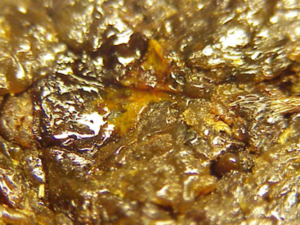
Propolis
Propolis is another one of the great products the bees produce that science cannot. It is a resinous substance that the bees gather from tree leaves and bark, and combine with nectar, wax, pollen, and bee bread to make a natural “glue” type substance. This glue is used to seal cracks and holes and to line the inside of the hive It is also placed at the entrance to the beehive, where incoming worker bees have to brush up against it as they enter the hive. This sterilises the bees from infection, and may disinfect them upon entry as well. Beehives are more sterile than the most modern hospitals
Propolis is also used to line the birthing chamber where the queen lays her eggs, thereby providing a clean, sterile environment for the developing eggs.
Propolis contains all the known vitamins except for vitamin K. Of all the fourteen minerals the human body requires for normal function, propolis contains all but one, sulphur. It contains a number of unidentifiable compounds that create a perfectly balanced food substance. It also has 16 amino acids that have been identified, and more bioflavanoids (necessary for anti-inflammatory action within the human body) than found in oranges. It is antibacterial, antiviral, antioxidant, antifungal, and anti-inflammatory.
This substance has been used throughout the centuries for its natural antibiotic capabilities. Propolis is still able to effectively combat bacterial strains which have become resistant to modern synthetic antibiotics. The bee is the only insect ever to have been found to be bacteria free, due to the action of the propolis, and science believe that no known bacteria can form a resistance to propolis.
Propolis has no known side effects. It boosts the immune system while fighting invading pathogens, something prescription antibiotics cannot. It also has demonstrated a remarkable ability to disable viruses. When prescription antibiotics must be used, propolis has proven to boost the effectiveness of the prescription, while helping to drastically reduce recovery times in human medicine.
Propolis is still given to patients in Russia before and after surgery to aid in healing and prevent infection, and to boost energy levels during the recovery process. It is often mixed with garlic to make a powerful infection fighter, killing viruses and bacterial invaders without harming the beneficial bacteria needed by the body to function properly.
The bioflavanoids in propolis make it a superb anti-inflammatory. It also enables it to be so effective in boosting the body’s own immune system. Propolis is very useful in treating allergies, ulcers, skin ailments (internal and external), cancers, infections of all sorts, colds, flu, bronchitis, ear problems, gum disease, headaches, acne, sunburn, respiratory problems, fatigue, sore throats, skin diseases, and even Parkinson’s disease, according to extensive European studies. It is still used extensively in dentistry in parts of Europe as a most effective mouth wash
>Propolis is a safe diet supplement, producing no negative side effects, and taken regularly can actually create a positive reaction to almost any disease. In today’s world where antibiotics are routinely over-prescribed, this natural product can be your very best first line of defence against illness and chronic diseases.
Cancer Treatment
- Mandarine Peel could help fight cancer
- Antitumour activity of Artepillin-C
- Natural honey-bee products & Cancer treatment
- Sunscreens and Cancer
- Sunlight is food
LONDON(Reuters)-Tangerine peel could help in the fight against certain cancers, researchers said on Wednesday.
Human cancer cells, which contain an enzyme called P450 CYP1B1, were destroyed by a compound contained in mandarine peel, Salvestrol Q40, scientists at Leicester School of Pharmacy found.
The findings may offer a new approach to uncovering a treatment for cancers such as breast, lung, prostrate and ovarian cancer, the scientists said.
Medicinal chemist Dr. Hoon L. Tan said: “It is very exciting to find a compound in food that can target cancers specifically.”
“Salvestrols may offer a new mechanism of dietary anti-cancer action.”
“Indeed, the depletion of salvestrols in the modern diet is due to the fact that many people no longer eat the skin of fruits and this may be a major contributory factor to the increasing incidence of some cancers in the human population.”
The breakthrough was being presented at the British Pharmaceutical Conference held in Manchester.
But he warned that the research was still in its early days and many tests will be needed before reaching the clinical trial stage, which could take between five and seven years.
The researchers have formed a private company, Nature’s Defence Investments, to protect and promote their research, with the potential of designing a natural anti-cancer alternative based on the new technology.
By Tetsuo Kimoto
– Hayashibara Biochemical Laboratory Counselor
– Kawasaki Medical School Emeritus Professor
http://www.bioessens.com/english/atividade_antitumor.htm
Recently, when the reaching limits of western medical science have being pointed out, expectation on oriental medical science and popular medical therapy increases. And propolis – which has an old history in Europe as a traditional popular medicine, is receiving now strong interest.
Many bioactive substances from propolis have been discovered and reported. We also have demonstrated the results of our research concerning the macrophage activity and bactericidal activity so far. But this time, squeezing focus to the cell-killing effect, in result of repeating examination, we succeed to isolate Artepillin-C. In this substance, other than active macrophage activation and bactericidal action, we have verified a superior antitumor effect on each kind of cultured cancer cells and in transplanted tumor cells in a mouse.
The Artepillin-C prepared for this experience was obtained from an ethanolic extraction of brazilian propolis. This substance is not water soluble, and initially, we dissolved it in ethanol and added to the culture solution, but later, we developed also a water soluble solution which we are using now.
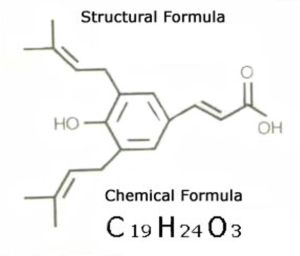
Structural formula for Artepillin-C.
- Inhibition effect on the multiplication of culture tumor cells
First, as a fundamental experiment, Artepillin-C was added to culture cancer cells. We examined its effects.
The prepared cancer cells were:
- Human malignant tumor cells (6 kinds – lung cancer, stomach cancer, liver cell cancer etc.)
- Human Leukemia cell and Lymph malignant tumor (4 kinds – Lymph Leukemia, Myeloid Leukemia, Monocyte Leukemia, etc.)
- Rat origin cells (liver cell cancer)
- Mouse origin cells (3 kinds – Colon cancer, Malignant Melanoma, Fibroblast tumor etc.)
- Normal cells (Mouse origin fibroblast cells)
As result, remarkable multiplication control were shown in most of the above mentioned cancer cells at 10~100µg/mL of Artepillin-C concentration. In most cases, 3 or 4 days after Artepillin-C addition, cancer cells were extinct.
However, even acknowledging the remarkable cell-killing effect we couldn’t use it in the organism if it prejudices also healthy cells. Then, we prepared a comparative experiment with healthy cells, and as result, obtained that the shorter the cell cycle, the higher is the cell-killing effect.
Comparing with normal cells, cells that suffered mutation are very fast and at the same time has as characteristic that it multiplies limitlessly. Artepillin-C does with these cells, that keep multiplying in a short period of time, a selective cell-killing-and-wounding (sharp-shooting).
To elucidate the reason of this, measuring the influence on DNA synthesized at cell division time, it was proven that the DNA synthesis was obstructed when the tumor cells multiplication was remarkable. For example, the obstruction on DNA synthesis in human leukemia cells at the concentration of 100µg/mL was remarkable , and in mouse melanoma cells even more remarkable, but in case of normal fibroblasts, old cells and cells where DNA synthesis was static, the damage on DNA was minor.
This fact tells the possibility that, Artepillin-C’s does minor damage in normal healthy cells (culture cells), which have a loose multiplication speed comparing to cancer cells, and that in fast advance and easily spread cancer cells, it demonstrates the stronger depression effect, proportionally.
- Cancer multiplication control experiment on mouse.
In parallel to the above experiments done in this laboratory, an experiment with transplanted cancer cells on mature mouse was done. The transplant were prepared with human origin lung cancer, stomach cancer, liver cancer cells; mouse origin colon cancer; and rat origin liver cancer cells.
Among mice which received the transplants, one group was left as control, and on the other group 500µg of Artepillin-C was injected in each one, with one day gap. Observation of the process was done. In those injected with Artepillin-C during the tumor growing, it eventually suffer necrosis and fell off.
The dissection result – In all tumor cell cases, Artepillin-C`s effect caused the nucleus denaturation by melting and concentration , the nucleus fragmentation, the natural death of a small group (picture 8), the solidification and necrosis of a extensive and large group, clearly demonstrating it’s depression on multiplication of cancer cells effect.
- Damaged section restoration phenomena.
There is another point that should be observed here. In the group of mouse which received for a long time Artepillin-C, lymphocytes infiltrates the surroundings of cancer cells that suffered necrosis, and furthermore, the collagen from the cellular matrix encloses it, advancing in the restoring process of the damaged section by the cancer (healing the wound).
This fact demonstrates that by Artepillin-C`s effect, collagen multiplication is promoted, stopping cancer multiplication and converting it in an island, and as result, makes it possible to the organism to coexist with the cancer for a long time.
This way Artepillin-C extinguishing selectively cancer cells, plus – without collateral effects, and in addition, increasing immunity activity, enclosing cancer cells, and restoring the damaged section. Accepting that we have demonstrated and verified many anti-cancer activities, we furthermore, c ontinue to research and develop minute and multilaterally.
Published in December 1st, 2001 – in “Propolis Kenkou Tokuhon 1” from the series “Health Science” magazine, volume 3, pages 45~48 – by Touyou Igakusha Ltd.
Journal of the Science of Food and Agriculture
http://interscience.wiley.com/jsfa
Natural honey-bee products such as propolis, royal jelly, caffeic acid, honey and venom may have applications in cancer treatment and prevention, say Croatian researchers in Journal of the Science of Food and Agriculture this month.
Nada Orsolic and colleagues from the University of Zagreb found that bee products significantly decreased tumour growth and / or spreading (metastasis) in mice when they were applied orally or by injection. The researchers tested both the preventative and curative effects of the bee products on tumour models in mice. In the prevention studies, the products were administered before inoculation with the tumour cells. In the curative studies, the products were administered after tumour inoculation.
“The effects of the tested compounds were demonstrated either by inhibition of tumour growth or metastases (secondary tumour) formation and by increased survival of the animals,” said Dr Orsolic.
Propolis or caffeic acid significantly reduced subcutaneous tumour growth and prolonged the survival of mice. Honey also inhibited the spread of the tumour when applied before tumour cell inoculation in the lungs. Simultaneous inoculation with royal jelly and tumour cells significantly inhibited tumour spread. When bee venom was injected intratumourally, tumour shrinkage occurred, and the delay of tumour growth was evident. Survival of bee venom-treated mice was prolonged compared to control mice.
The way in which the bee products work to combat the tumours is not clear, but the authors suggest the chemicals cause apoptosis (cell suicide) or necrosis of the cancerous cells, or that they exert directly toxic or immunomodulatory effects. They may also reduce harmful oxyradicals in cells or body fluids.
The authors conclude that the intake of honey-bee products could be advantageous in the prevention and treatment of cancer.
“These results suggest the benefits of potential clinical trials using propolis or honey, combined with chemotherapeutic agents,” said Dr Orsolic.
By Hans R. Larsen, MSc ChE
In 1991 Professor Johan Moan of the Norwegian Cancer Institute made an astounding discovery. He found that the yearly incidence of melanoma in Norway had increased by 350% for men and by 440% for women during the period 1957 to 1984. He also determined that there had been no change in the ozone layer over this period of time. He concludes his report in the British Journal of Cancer by stating “Ozone depletion is not the cause of the increase in skin cancers”(1).
Skin Cancer
There are three major forms of skin cancer.
- basal cell carcinomais the most common form of skin cancer. It occurs most frequently in men who spend a great deal of time outdoors and primarily produces lesions on the head and neck(2). Basal cell carcinoma rarely spreads throughout the body but can invade neighbouring bone and nerves(3).
- squamous cell carcinomais the second most common skin cancer. It primarily affects people who sunburn easily, tan poorly, and have blue eyes and red or blonde hair. Squamous cell carcinoma most commonly develops from actinic keratoses and can metastasize if left untreated. Squamous cell carcinoma of the lip is 12 times more common among men than among women(4).
- malignant melanomais the rarest form of skin cancer but is the most deadly. It affects the cells which produce melanin and seems to be more prevalent among city-dwellers than among people who work out-of-doors. It does not necessarily occur on sun-exposed areas of the body and is thought to be linked to brief, intense periods of sun exposure and a history of severe sunburn in childhood or adolescence. Malignant melanoma metastasizes easily and is often fatal if not caught in time.
The skin cancer epidemic is a worldwide phenomenon. In 1978 there were approximately 480,000 cases of non-melanoma skin cancer in the United States alone. This is expected to rise to over one million in 1994(6). Malignant melanoma is growing at a rate of 7% per year in the United States. In 1991 cancer experts estimated that there would be about 32,000 cases during the year of which 6,500 would be fatal(7). In Canada melanoma incidence rose by 6% per year for men and by 4.6% per year for women during the period 1970-1986(8). Australia has the highest melanoma rate in the world. For men the rate doubled between 1980 and 1987 and for women it increased by more than 50%(9). It is now estimated that by age 75 two out of three Australians will have been treated for some form of skin cancer(10).
If the ozone layer has not yet changed significantly except at the poles, then what is causing the enormous increase in skin cancer?
The sunscreen connection
The Australian experience provides the first clue. The rise in melanoma has been exceptionally high in Queensland where the medical establishment has long and vigorously promoted the use of sunscreens. Queensland now has more incidences of melanoma per capita than any other place. Worldwide, the greatest rise in melanoma has been experienced in countries where chemical sunscreens have been heavily promoted(11). Drs. Cedric and Frank Garland of the University of California are the foremost opponents of the use of chemical sunscreens. They point out that, although sunscreens do protect against sunburn, there is no scientific proof that they protect against melanoma or basal cell carcinoma in humans(11). There is, however, some evidence that regular use of sunscreens helps prevent the formation of actinic keratoses, the precursors of squamous cell carcinoma(12).
The Garland brothers strongly believe that the increased use of chemical sunscreens is the primary cause of the skin cancer epidemic. They emphasize that people using sunscreen tend to stay longer in the sun because they do not get a sunburn – they develop a false sense of security(7). Chemical sunscreens are formulated to absorb UVB radiation, they let most of the UVA rays through(7). UVA rays penetrate deeper into the skin and are strongly absorbed by the melanocytes which are involved both in melanin production (sun tanning) and in melanoma formation(11). UVA rays also have a depressing effect on the immune system(13).
Ultraviolet radiation
UVA rays constitute 90-95% of the ultraviolet light reaching the earth. They have a relatively long wavelength (320-400 nm) and are not absorbed by the ozone layer. UVA light penetrates the furthest into the skin and is involved in the initial stages of suntanning. UVA tends to suppress the immune function and is implicated in premature aging of the skin(2,13,14).
UVB rays are partially absorbed by the ozone layer and have a medium wavelength (290-320 nm). They do not penetrate the skin as far as the UVA rays do and are the primary cause of sunburn. They are also responsible for most of the tissue damage which results in wrinkles and aging of the skin and are implicated in cataract formation(2).,br /> UVC rays have the shortest wavelength (below 290 nm) and are almost totally absorbed by the ozone layer. As the ozone layer thins UVC rays may begin to contribute to sunburning and premature aging of the skin(2). All forms of ultraviolet radiation are believed to contribute to the development of skin cancer(2).
Most chemical sunscreens contain from 2 to 5% of benzophenone or its derivatives (oxybenzone, benzophenone-3) as their active ingredient. Benzophenone is one of the most powerful free radical generators known to man. It is used in industrial processes to initiate chemical reactions and promote cross-linking(15). Benzophenone is activated by ultraviolet light. The absorbed energy breaks benzophenone’s double bond to produce two free radical sites. The free radicals desperately look for a hydrogen atom to make them “feel whole again”(15). They may find this hydrogen atom among the other ingredients of the sunscreen, but it is conceivable that they could also find it on the surface of the skin and thereby initiate a chain reaction which could ultimately lead to melanoma and other skin cancers. Researchers at the Harvard Medical School have recently discovered that psoralen, another ultraviolet light-activated free radical generator, is an extremely efficient carcinogen. They found that the rate of squamous cell carcinoma among patients with psoriasis, who had been repeatedly treated with UVA light after a topical application of psoralen, was 83 times higher than among the general population(16).
The benefits of sunlight
Some scientists believe that UV light causes skin cancer through the combined effect of suppression of the immune system and damage to DNA(10,17). Exposure to UV light is, however, not all bad. Most of the body’s vitamin D supply, about 75% of it, is generated by the skin’s exposure to UVB rays(18). Using a sunscreen drastically lowers the cutaneous production of vitamin D3(19).
A low blood level of vitamin D is known to increase the risk for the development of breast and colon cancer and may also accelerate the growth of melanoma(18,19,20).
Dr. Gordon Ainsleigh in California believes that the use of sunscreens causes more cancer deaths than it prevents. He estimates that the 17% increase in breast cancer observed between 1991 and 1992 may be the result of the pervasive use of sunscreens over the past decade(20). Recent studies have also shown a higher rate of melanoma among men who regularly use sunscreens and a higher rate of basal cell carcinoma among women using sunscreens(11,21).
Dr. Ainsleigh estimates that 30,000 cancer deaths in the United States alone could be prevented each year if people would adopt a regimen of regular, moderate sun exposure(20).
Although the medical establishment still strongly supports the use of sunscreens there is a growing consensus among progressive researchers that the use of sunscreens does not prevent skin cancer and, as a matter of fact, may promote skin cancers as well as colon and breast cancer.
The bottom line
So what should you do to protect yourself as much as possible against these cancers? Summarizing current research the following recommendations appear reasonable:
- DO NOT rely on the use of sunscreens to protect you against skin cancer.
- DO NOT try to get a tan by visiting a tanning studio. The rays from their UV lamps are extremely harmful and the tan produced does not have the protective effect of a sunlight-induced tan(2,7).
- DO try to develop a moderate natural suntan unless you have extremely sensitive skin and burn easily. Regular and moderate unprotected sun exposure in the early morning or late afternoon will help maintain a protective tan and keep your vitamin D stores at an optimum level(20).
- DO wear protective clothing and a wide-brimmed hat when you are outside. Avoid sun exposure between 10 AM and 3 PM if at all possible. Remember that UV rays, particularly UVA, are present even on cloudy days(7).
- DO wear sunglasses that filter out 100% of the ultraviolet light to protect yourself against the development of cataracts(7).
- DO remember that sunlight is strongly reflected from sand, snow, ice, and concrete and can increase your direct sunlight exposure by 10 to 50%(2).
- DO make sure you get enough vitamin D3 and beta-carotene, if necessary through supplementation. Recent research has shown that taking 30 mg of beta-carotene a day protects against the suppression of the immune system by UVA rays(13).
- DO make sure to supplement your diet with antioxidants. Dr. Abram Hoffer in Victoria, Canada recommends that vitamin C, vitamin E, and selenium be used as a protection against the damages of excessive ultraviolet radiation. He suggests daily dosages of 3 grams or more of vitamin C, 800 IU of vitamin E, and 200 micrograms of selenium (l-selenomethionine)(22). Vitamins C and E also protect against cataract formation(23,24).
- DO cut down on the fat in your diet. Recent research has shown that patients with non- melanoma skin cancers can reduce their risk of developing additional actinic keratoses (precursors to skin cancer) by switching to a low fat diet(25).
SUNSCREENS
Sunscreens are designed to protect against sunburn (UVB rays) and generally provide little protection against UVA rays. They come in two forms:
- Chemical sunscreenscontain chemicals such as benzophenone or oxybenzone (benzophenone-3) as the active ingredient. They prevent sunburn by absorbing the ultraviolet (UVB) rays(2).
- Physical sunscreenscontain inert minerals such as titanium dioxide, zinc oxide, or talc and work by reflecting the ultraviolet (UVA and UVB) rays away from the skin(2).
A sunscreen with a SPF of 15 filters out approximately 94% of the UVB rays. One with a SPF of 30 filters out 97%. The SPF applies for UVB rays only. The protection provided against UVA rays in chemical sunscreens is about 10% of the UVB rating(26).
- DO wear a physical sunscreen with a SPF of 15 if you absolutely must be out in the sun for extended periods of time(22). Physical sunscreens containing titanium dioxide, zinc oxide, or talc work by reflecting the UV radiation rather than by absorbing it. Sunscreens are tested by using artificial UV light and a screen with a SPF of 30 is not twice as effective as one with a factor of 15(17). Also, reapplying sunscreen during the day does not extend the period of protection. Even “broad-spectrum” sunscreens are not very good in filtering out UVA rays(26). A natural suntan is probably more effective.
- DO see your healthcare provider if you spot any unusual moles or growth on your skin – particularly if they are irregular in shape, bleed, itch, or appear to be changing. Most skin cancers can be cured if caught in time(27).
The saga of sunscreens and skin cancer is far from over. Research is continuing and new findings are being published at an accelerated pace. But until we know the whole story, it would seem prudent to take precautions based on what we do know.
REFERENCES
- Moan, J. & Dahlback, A. The relationship between skin cancers, solar radiation and ozone depletion. British Journal of Cancer, Vol. 65, No. 6, June 1992, pp. 916-21
- Harmful effects of ultraviolet radiation. Journal of the American Medical Association, Vol. 262, No. 3, July 21, 1989, pp. 380-84
- Haynes, Harley A. Primary cancer of the skin. Harrison’s Principles of Internal Medicine, McGraw- Hill, 7th ed., 1974, pp. 2024-25
- Hacker, Steven M. & Flowers, Franklin P. Squamous cell carcinoma of the skin. Postgraduate Medicine, Vol. 93, No. 8, June 1993, pp. 115-26
- Lee, John A.H. The relationship between malignant melanoma of skin and exposure to sunlight. Photochemistry and Photobiology, Vol. 50, No. 4, 1989, pp. 493-96
- Miller, Dena L. & Weinstock, Martin A. Nonmelanoma skin cancer in the United States: incidence. Journal of the American Academy of Dermatology, Vol. 30, No. 5, Pt. 1, May 1994, pp. 774-78
- Skolnick, Andrew A. Revised regulations for sunscreen labelling expected soon from FDA. Journal of the American Medical Assocation, Vol. 265, No. 24, June 26, 1991, pp. 3217-20
- Statistics Canada, Canadian Cancer Statistics 1991.
- Reynolds, Tom. Sun plays havoc with light skin down under. Journal of the National Cancer Institute, Vol. 84, No. 18, September 16, 1992, pp. 1392-94
- Ozone depletion and health. The Lancet, December 10, 1988, p. 1377
- Garland, Cedric F., et al. Could sunscreens increase melanoma risk? American Journal of Public Health, Vol. 82, No. 4, April 1992, pp. 614-15
- Dover, Jeffrey S. & Arndt, Kenneth A. Dermatology. Journal of the American Medical Association, Vol. 271, No. 21, June 1, 1994, pp. 1662-63
- Fuller, Cindy J., et al. Effect of beta-carotene supplementation on photosuppression of delayed-type hypersensitivity in normal young men. American Journal of Clinical Nutrition, Vol. 56, 1992, pp. 684-90
- Fitzpatrick, T.B.& Haynes, H.A. Photosensitivity and other reactions to light. Harrison’s Principles of Internal Medicine, McGraw-Hill, 7th ed., 1974, pp. 281-84
- Kirk-Othmer Encyclopedia of Chemical Technology, Vol. 13, 3rd ed., 1981, pp. 367-68
- Stern, Robert S. and Laid, Nan. The carcinogenic risk of treatments for severe psoriasis. Cancer, Vol. 73, No. 11, June 1, 1994, pp. 2759-64
- Wright, Brett. Sunscreens and the protection racket. New Scientist, January 22, 1994, pp. 21-2
- Garland, Frank C., et al. Geographic variation in breast cancer mortality in the United States: a hypothesis involving exposure to solar radiation. Preventive Medicine, Vol. 19, 1990, pp. 614-22
- Koh, Howard K. & Lew, Robert A. Sunscreens and melanoma: implications for prevention. Journal of the National Cancer Institute, Vol. 86, No. 2, January 19, 1994, pp. 78-9
- Ainsleigh, H. Gordon. Beneficial effects of sun exposure on cancer mortality. Preventive Medicine, Vol. 22, February 1993, pp. 132-40
- Garland, Cedric F. et al. Effect of sunscreens on UV radiation-induced enhancement of melanoma growth in mice. Journal of the National Cancer Institute, Vol. 86, No. 10, May 18, 1994, pp. 798-801
- Goodall, John & Hoffer, Abram. Protection against ultraviolet radiation. Canadian Medical Association Journal, Vol. 147, No. 6, September 15, 1992, pp. 839-40
- Robertson, J.M., et al. Vitamin E intake and risk of cataracts in humans, Annals of the New York Academy of Science, Vol. 570, 1989, pp. 372-82
- Knekt, Paul, et al. Serum antioxidant vitamins and risk of cataracts. British Medical Journal, Vol. 305, December 5, 1992, pp. 1392-94
- Black, Homer S., et al. Effect of a low-fat diet on the incidence of actinic keratosis. The New England Journal of Medicine, Vol. 330, No. 18, May 5, 1994, pp. 1272-75
- Kaidbey, Kays & Gange, R. William. Comparison of methods of assessing photoprotection against ultraviolet A in vivo. Journal of the American Academy of Dermatology, Vol. 16, No. 2, Pt. 1, February 1987, pp. 346-53
McDonald, Charles J. Status of screening for skin cancer. Cancer (supplement), Vol. 72, No. 3, August 1, 1993, pp. 1066-70
Inserts from http://www.alkalizeforhealth.net/sunlight.htm
These inserts attempt to reconcile two opposite views of sunlight – sunlight causes cancer vs. sunlight prevents cancer. Exposure of the skin to sunlight is necessary for good health and for thousands of years “solariums” have been an integral part of health spas. However, too much of a good thing can become a bad thing. Ionizing radiation creates free radicals that damage cells and are associated with cancer. Diet (antioxidants) and lifestyle factors can remove the free radicals and accelerate the repair of any damage they have caused. The ultraviolet rays that cause sunburn also produce vitamin D that is necessary for calcium absorption and cancer prevention. Dr. Johanna Budwig suggests that through dietary changes everyone, including cancer patients, can increase their tolerance for sunlight thereby becoming able to enjoy more of the health benefits that sunlight can provide.
Recent research indicates that vitamin D is extremely important to cancer treatment. Cancer patients who have their cancer surgery in the summer and who consume ample dietary vitamin D are twice as likely to be alive five years later compared to cancer patients who have their surgery in the winter and who consume little dietary vitamin D.
The impact of sunlight on the skin will become more controversial as the years go by. This is partly due to continued pollution-caused destruction of the earth’s ozone layer that blocks UV radiation. However, there is another phenomenon you will be interested to learn about. The earth’s magnetic field has been weakening for the past 300+ years. Some scientists believe this may be the prelude to a flipping of the earth’s magnetic poles. This phenomenon happens on average about every 250,000 years. The earth’s magnetic field protects all life on earth from solar and cosmic radiation. It has been estimated that the increased radiation reaching the earth’s surface during the centuries required to complete the pole flip will cause an additional 100,000 cases of cancer annually (assuming that people fail to learn about antioxidants.
“That the sun, as the element of life, also affects the dynamics of the vital functions is apparently self-evident. Everyone seems to agree. But then why are there so many people who say: I can’t tolerate the sun? The answer is on its way. Firstly, a few words on the topic of: The dynamics of the vital functions and their base in the sun’s energy: When I have treated patients and they then lie in the sun, these sick people notice that they begin to feel very much better; rejuvenated. In contrast to this you often hear about people on sunny beaches having heart failure. It is not unusual for heart infarction to occur. Both conditions are observable. For some people nowadays, the sun’s energy is an overly strenuous matter, while for others the dynamics of the sun’s energy have an invigorating effect on all the vital functions. The stimulating effect of the sun on the secretions of the liver, gall bladder, pancreas, bladder and salivary glands is easily felt. These organs only dry out under the sun’s rays when the substances which stimulate secretion in the body are lacking. With all these observations it is of decided importance, whether the surface-active electron-rich highly unsaturated fats are present as a resonance system for the sun’s energy, or whether they are not. Doctors tell cancer patients that they should avoid the sun; that they can’t tolerate it. That is correct.The moment, however, that these patients – cancer patients as well – have been following my oil-protein nutritional advice for two or three days, which means that they have been getting sufficient amounts of the essential fats, they can then tolerate the sun very well.Indeed they emphasize how fine they suddenly feel in the sun – how much their vitality and vigor is stirred and stimulated.” – Budwig, Dr. Johanna, Flax Oil as a True Aid Against Arthritis, Heart Infarction, Cancer and Other Diseases, Apple Publishing Company Ltd., Vancouver, 1994, pages 53-54.
Dr. Johanna Budwig treats cancer patients with a mixture of 3-6 Tbsps. flaxseed oil and 4 oz. (1/2 cup) low-fat cottage cheese daily. The mixture is most effective if the flaxseed oil and low-fat cottage are thoroughly mixed or blended.
|
From Dr. David Williams Alternatives newsletter, March 2002: New research from Monash University, in Victoria, Australia, has shown that what you eat can directly influence the health of your skin. Skin damage in individuals living in Melbourne, Australia was compared to that of individuals living in rural Greece and in Sweden. It was discovered that the type of foods they consumed influenced the amount of wrinkling and damage to sun-exposed skin in older individuals from different ethnic backgrounds. Far less skin damage and wrinkling was found in those individuals who had a higher intake of the following foods: vegetables, olive oil, fish, legumes, eggs, yoghurt, nuts, olives, cherries, melons, dried fruits/prunes, apples/pears, multigrain bread, jam, tea, and water. Foods that were associated with more wrinkling and skin damage included: full-fat milk, red meat, potatoes, margarine, butter, soft drinks/cordials, cakes, pastries, and sugar products. – (J Am Coll Nutr 01:20(1):71-80) *** From Dr. David Williams Alternatives newsletter, April 2002: Sunlight exposure is a necessary requirement for vitamin D production in the body, and is also necessary for proper mood health. However, with the fear of skin cancer and wrinkling, tanning or even getting sun exposure has become taboo. The result is that depression is becoming more and more commonplace. The problem is that, even under normal circumstances, it would be difficult for many people to get enough sun exposure to avoid depression in most of the Northern and Northeastern U.S. cities. Only during a few summer months are there enough UV-B rays reaching those areas to allow for proper vitamin D production. (The three main forms of UV, or ultraviolet, radiation from the sun are UV-A, UV-B, and UV-C. UV-B rays are the ones we need to produce vitamin D naturally, but they are also the ones that can produce sunburn and tanning.) Even when UV-B rays are adequate, most people now either slather on the sunscreen or avoid the sun altogether. Any sunscreen with a protective factor of 8 or more will block almost all of the UV-B rays from reaching the skin. The ironic thing about all of this is that the incidence of skin cancer has more to do with consuming wrong fats (too many omega-6 fatty acids and not enough omega-3s – see Vol.8, No. 8) than it does with exposure to the sun. Until the general public understands this fact, skin cancer problems will continue to increase – which will in turn cause even more fear of sunlight exposure and more depression. This whole situation has gotten way out of control. Because of the fats we’re now eating and our fear of sunlight, it’s becoming necessary to supplement our diets with vitamin D. But in the natural scheme of things, our bodies can manufacture enough vitamin D when given regular exposure to sunlight. |
Dr. Shelton offers the following insights:
- The great sanitarium of Hippocrates, on the Island of Cos, was equipped with a large solarium for the use of the sun.
- Ultraviolet rays of the sun are capable of ionizing sodium, calcium, and perhaps hydrogen, magnesium, silicon and iron.
- Sunshine feeds the muscles. Today every athlete employs sunshine as a regular part of his or her training. Muscles subjected to proper sun exposure grow larger, firmer, and have their contractile powers enhanced.
- In the absence of sunlight, even with the best food, animals are not healthy.
- Cancer is less prevalent in the sunny regions of the earth.
- The germicidal power of sunlight is well known. It is the greatest of all disinfectants and antiseptics.
- Sunshine aids in preserving the normal alkalinity of the blood and should prove an effective aid in restoring normal alkalinity.
- Sunshine is essential to the production of good milk.
- Sunlight aids in skeletal development of babies before birth and aids in the production of milk after birth.
- Oxygen consumption of living cells is vastly greater in light than in darkness.
- Light increases chlorophyll in plants and hemoglobin in animals.
- If a child receives an abundance of sunlight it will thrive on almost any kind of diet, whereas, if you deprive it of sunlight, it will not thrive well on the best of diets.
- Sunshine aids in building good teeth. Breathing becomes deeper and slower, sleep sounder, blood pressure is diminished. There is not a tissue or function in the body that is not favorably affected, either directly or indirectly by sunshine.
- Ordinary glass does not permit the ultra-violet rays to pass through. Basking in the warmth and light of the sun that passes through the window pane is of small value in the prevention of “disease” or the restoration of health. The unfiltered rays of the sun alone are capable of assisting the work of metabolism.
- Corpulent, anemic individuals have their weight decreased by sun-bathing, due to acceleration of the oxidation of fat.
- Prolonged exposure of the unprotected skin to the sun’s rays results in severe and painful burning, prostration and even death.
- Tanning is due to a deposit of pigment (melanin granules) around the nuclei of the epidermal and basal cells, following exposure to the rays of the sun.
- Pigment is the most important protecting mechanism by which the body prevents getting an overdose of sunshine.
- As more pigment develops in the skin, more sunshine can be enjoyed without harm.
- The brown melanin pigment absorbs the visible and ultra-violet radiations, and also serves to protect against heat.
- In general, pigmented skin is more resistant to infections and other problems.
- A good coat of tan increases resistance to both heat and cold.
- Pigmented nipples are less likely to become sore during nursing.
- Sunshine is the finest cosmetic. Skin, well-pigmented in response to sunbathing, tends to become firm and strong, but at the same time delicate and soft, almost silk-like in texture.
- Tanning is part of an overall program to create health, but is not a substitute for right living in other departments of life.
- Good pigmentation depends on regular sunbathing.
- If lotions and oils provided the “protection” that they are claimed to provide, they would also prevent tanning and would at the same time deprive the bather of the benefits of sunbathing.
- In a broad general sense all of these lotions are frauds, none of them are ever necessary, and many of them are actually harmful.
- A uniform tan is achieved by exposing the body uniformly to the sun.
- Too much exposure to the sun occasions an excessive thickening of the corneum and, at the same time, makes the skin dry and causes it to scale. A harsh, dry, coarse skin is the result. Certainly this is not desirable and it is the worst kind of folly to stay in the sun long enough that this takes place. The intelligent person will avoid undue exposure and thus avoid the undesirable consequences.
- A silken, smooth skin is the result of proper sunbathing. The ancient rule of moderation should guide us here. Even animals, birds and insects avoid over exposure.
- Sunburn is a real burn and injures the skin just as much as fire or scalding water
- Sunburn does not show up immediately. One burns without realizing it until hours later. The only safety lies in not overdoing the sunbathing until a protective coat of tan has been built up.
- To avoid burning it is only necessary to avoid excessive exposure of the body or any part of it to the sun until a good protective coat of tan has been acquired.
- A thin haze over the sun does not exclude its ultra-violet rays and will not prevent burning. A cool breeze will not prevent burning. It is not the sun’s heat rays that produce sunburn. Do not be misled by the fact that it is cloudy or partially cloudy.
- Plants and animals grown under artificial light are not equal to plants and animals irradiated by the sun. The lamp cannot produce all the effects of sunlight
- The complete solar spectrum, with all its colors and shades so blended and proportioned as to produce white light, is needed for ideal growth and development.
- In medical circles sunbathing is blamed for skin cancer. The evidence for this is very weak. Repeated burning and habitual over-exposure may help to develop cancer, but what has this to do with intelligent sunbathing?
- There are those who tan readily and those who tan slowly and with difficulty. There are a few who do not tan at all. The amount of precaution required depends on the type of skin possessed.
- Start with six to ten minutes. Expose the front for three to five minutes and then the back for three to five minutes.
- Increase the time of exposure by one minute for each side each day until 30 minutes per side is reached.
- Those who do not want a dark tan on their faces, necks and arms may cover these when taking sunbaths.
- Closing the eyes is all the protection they need.
- Constant movement in the sun is best. Rest in the shade.
- Animals seek the sunlight but avoid its heat. They prefer to be in the sun during the cool portions of the day and seek the shade when it grows hot. The late afternoon is also a good time for sunbathing.
- If sunbathing indoors, the sun should come in through an open window or door.
- One cannot take a sunbath without also taking an air bath, but the air bath can also be done in darkness. It consists simply in exposing the nude body to the air.
- An air bath of twenty minutes duration reduces the hydrogen-ion content of the blood to normal.
- Air baths will harden one and make one more resistant to weather changes. It is a good thing to train oneself to resist an exaggerated dread of cold. Thousands of people enjoy their daily air bath, even in the most inclement weather.
The above points come from:
Shelton, Robert M., The Hygienic System, Vol. III, Fasting and Sunbathing, San Antonio, Texas, 1963. Dr. Shelton wrote many books and some you can read on the Internet for free.
Many nutrients promote the healing of burns, suggesting that a diet rich in these nutrients may be helpful in PREVENTING burns. This would create exactly the situation that Dr. Budwig suggests – a greater tolerance for sunlight.
|
Nutrient |
Effect on healing and preventing burns. |
|
anti-oxidants |
Ionizing radiation creates free radicals. Anti-oxidants such as MAK, resveratrol, selenium, coenzyme Q10, vitamins C and E help protect the body from free radical damage. |
|
Calcium |
Needed for protein structuring. |
|
magnesium |
Magnesium is lost from burns |
|
potassium |
Potassium is lost from burns. |
|
vitamin A |
Needed for tissue repair. |
|
vitamin B3 |
B vitamins help the body deal with stress. Vitamin B3 promotes blood circulation to accelerate healing. |
|
vitamin C |
Promotes healing, protects the body from infections, helps remove toxic chemicals from the body. Vitamin C can be mixed into a lotion and applied directly to the skin . |
|
>vitamin D< |
Needed for calcium absorption. |
|
vitamin E |
Promotes healing and prevents scarring. |
|
enzymes |
Prevent scarring. |
|
protein |
Needed for tissue building. |
|
zinc |
Promotes quicker healing. |
|
selenium |
Promotes tissue elasticity, is an antioxidant. |
Many of these nutrients we have discussed previously in the 8 step program to prevent and remove cancer. Compare the above table with the following table which discusses the impact of each or our 8 steps and their impact on prevention and healing of burns.
|
|
8 Step Cancer Program |
Impact on Burns |
|
1. |
More oxygen |
Burns are devoid of oxygen. Bandages can be soaked with 3% hydrogen peroxide and applied directly to the skin. Alternatively, you can add a cup or pint of 3% hydrogen peroxide to a bath tub of water. |
|
2. |
More alkalinity |
Alkaline minerals (calcium, magnesium, potassium) help prevent and heal burns. |
|
3. |
Less free radicals |
Burns create free radicals. Antioxidants such as MAK and various nutrients help to neutralize free radicals. |
|
4. |
More exercise |
Improved circulation of the lymph resulting in nourishment and purification of the body tissues. |
|
5. |
Hyperthermia |
Promotes circulation, helps to remove toxic chemicals from the body, thereby reducing free radicals. Hyperthermia is an effective treatment for skin cancer, because the skin is so easily heated (cancer cells are destroyed by heat) and toxins can so readily escape through the skin. |
|
6. |
More enzymes |
Enzymes facilitate all metabolic activities, including healing of burns. |
|
7. |
Nutrient-dense diet, B17, F, C, D & glyconutrients |
Many nutrients are needed for the healing of tissues. Vitamin F promotes increased oxygen to all parts of the body, and according to Dr. Johanna Budwig, is essential for the body to tolerate sunlight, saying it provides “a resonance system for the sun’s energy”. Vitamin C significantly reduces radiation damage to skin. Glyconutrients are the active ingredients in aloe vera, which has been found to be very helpful to repair sun damaged skin. |
|
8. |
Transcendental Meditation |
Release of stress resulting in calmness of mind, body and emotions. Having a technique to calm the mind and emotions is very useful in stressful medical situations. Many problems are very easy to prevent compared to fix, and the increased clarity of mind that comes with regular meditation can help prevent the “danger that has not yet come”. |
Our conclusion is that people following the 8 step program to prevent cancer as part of their healthy lifestyle should have significantly greater tolerance for sunlight, and may heal from sunburn more quickly. Moderate exposure to the sun will help increase the alkalinity of the body and improve one’s resistance to cancer.
|
Creams for Skin Cancer |
|
Curaderm – BEC5 An extract from the Australian “devil’s apple” plant dissolves skin cancer cells without affecting normal cells. A skin cream made from this extract not only helps remove cancer, but also removes moles, blemishes, age spots, wrinkles and makes you look younger. – Health Sciences Institute The name of the skin cream containing Devil’s Apple is “Curaderm” or “BEC5” and is now available on the Internet. *** Home Made Skin Cream for Skin Cancer #1 Dr. Gordon Telford has developed a skin cream to decrease the incidence of actinic keratoses (precursers to squamous cell and basal cell carcinomas). Here is how you can make your own: Put two ounces of skin cream in a sterile container and mix in 14 grams (one rounded tablespoon) of vitamin C powder, 4,000 IU of vitamin E, 60,000 IU of vitamin A, and 1.5 grams of zinc sulphate. – from Dr. David Williams Alternatives November 2005. Be sure to use vitamin A, not beta carotene. Home Made Skin Cream for Skin Cancer #2 If you have already developed squamous cell and basal cell carcinomas, make the contents of one artemisinin capsule into a paste by adding a drop or two of DMSO. Apply the paste to the skin cancer twice daily. – from Dr. David Williams Alternatives November 2005. Home Made Skin Cream for Skin Cancer #3 Make Skin Cancer cream #2 using 1/2 capsule of curcumin and 1/2 capsule of artemisinin. Use the other half of each capsule in your next batch of skin cream. – from Dr. David Williams Alternatives November 2005.> Home Made Skin Cream for Skin Cancer #4 In August 1995, Dr. Julian Whitaker, M.D., relayed his own experience with DMSO, when a basal cell carcinoma (about the size of a dime) appeared on his ear. A dermatologist recommended surgical removal of the cancerous portion and a skin graft replacement. Instead, Dr. Whitaker made a paste from shark cartilage, vitamin C, and DMSO and applied the mixture to the lesion daily. Within 3.5 weeks, the basal cell had completely disappeared. Stanley Jacob, M.D., professor at the Oregon Health Sciences University (Portland) suspected DMSO was the hero, although Dr. Whitaker has confidence in the full formula (Whitaker 1995). – from Life Extension Foundation Home Made Treatment for Skin Cancer #5 Every tumour of the skin can be completely removed with Iodine Tincture 7%, brushed many times (10-20) per day. When the crust is formed, don’t take it away, but treat the area continuously and wait till it falls without any other intervention except the Iodine tincture. When the crust falls down the third time, the patient is healed. Dr. Tullio Simoncini Home Made Treatment for Skin Cancer #6> Magnesium chloride, when applied directly to the skin, is transdermally absorbed and has an almost immediate effect on local tissues and the same can be said about iodine when applied topically. The two together are safe and effective for skin and breast cancers. See Cancer Cure Protocol Home Made Treatment for Skin Cancer #7 The skin is highly absorbable. Dissolve powdered cesium carbonate in water and spray on the skin. Then massage in. This can be tried for skin cancer and any tumor that has broken through the skin or is not far below the surface. A little DMSO may help the cesium carbonate penetrate the skin. For rough patches on the skin and other skin irregularities, the first thing we try is scrubbing with a cotton pad soaked with 3% hydrogen peroxide. We find that doing this each day for several days clears up most problem areas. Both the cotton pads and 3% hydrogen peroxide are available in drug stores. The cotton pads are in the cosmetics section as they are used to remove makeup. If the peroxide does not work, the next thing we try is a 50:50 mix of iodine and DMSO. Iodine is a disinfectant and DMSO carries the iodine into the skin.Editor, Alkalize For Health |
Insulin Potentiation Therapy
“Is it possible that a man with metastatic melanoma, one of the worst cancers you can develop, can be brought virtually to remission without any apparent toxicity? Believe it or not, this is just one of several cases of “terminal” cancer that was dramatically reversed and presented at the Insulin Potentiation Therapy (IPT) training workshop sponsored by the International Oxidative Medicine Association in April.
Chicago’s Dr. Ross Hauser presented other equally dramatic cases of several other cancers. IPT is a treatment utilizing exceptionally small amounts of chemotherapy for cancer. The toxic effects of the drugs are magnified many fold on the cancer cells by the hormone insulin, while the low dosage spares normal cells, The horrific side effects simply do not occur. Most IPT physicians are experiencing satisfying results. Simply extending life comfortably and with little, if any, toxicity beats the best of what conventional treatment has to offer.
Dr. Hauser now has a new book out called Treating Cancer with Insulin Potentiation Therapy.
***
“Cancer cells need glucose to burn for energy. They are almost totally dependent upon glucose as their energy source, while other cells can also burn fats. With few exceptions, all cells require insulin to allow glucose to enter. Since cancer cells are totally dependent on glucose as their only energy source, they have many more insulin receptors on their membranes (this is how the cancer cell consumes the glucose). In fact, they may have anywhere from six to 15 times the number of insulin receptors as normal cells, giving them a real competitive advantage in swallowing up fuel.
But insulin has other effects as well. In addition to insulin opening up the path for glucose to enter, it also makes the cell membrane more permeable to other substances, including chemotherapy drugs. Thus, because insulin receptors are so concentrated on cancer cells, increasing the insulin in the cancer patient’s body opens the cancer up. When this happens, the cancer can be selectively targeted by the cancer drugs without affecting the normal cells. More drugs will enter the cancer cells in the presence of insulin. In fact, a study in the early 1980’s showed that the chemotherapy drug methotrexate had its ability to kill breast cancer cells magnified 10,000 times when the cells were prepared with insulin!
This means a far smaller quantity of chemotherapy drugs are needed to achieve effectiveness. Hence – little, if any, toxicity!” – Dr. Robert Jay Rowen’s Second Opinion, September 2001.
Good Health
General Health
- Lemons: The Versatile Fruit
- Lemons: Health Benefits
- Modestly Overweight Linked To Lower Death Risk
- Fructose Can Be Dangerous For Kidneys
- High-fructose diet linked with obesity
By Sharon Palmer, RD
The clean, pure lemon has gotten a bad rap. It has become a metaphor for getting a dud. But the lowly lemon is probably one of the most versatile fruits in the world. A single lemon seems to capture a ray of sunshine in its glorious skin. This ancient fruit is likened to two fruits in one package, as both the zesty rind and flavorful juice can be used for different purposes. Right-hand friend to celebrated chefs and old-fashioned cooks, lemons are indispensable in a number of dishes, from salads to desserts.
We’ve long known that lemons are packed with vitamin C and were transported by sailors on long journeys during the 18th century to ward off scurvy (vitamin C deficiency), a condition known to make their teeth fall out. Lemons have also been a standard method of flavoring foods without the addition of salt or fat. But did you know that lemons are packed with phytochemicals, plant compounds that fight heart disease and cancer?
Lemons have numerous anti-cancer properties. Lemons contain unique flavonoids, a class of phytochemicals that have antioxidant and anti-cancer properties. Liminoids, flavonoids found abundantly in lemons and citrus fruits, are compounds that impart bitterness in citrus juices and have been shown to reduce the risk of several types of cancer. And eating fresh citrus, including lemons, is one of the best ways to ward off illness and prevent disease, according to studies. Lemons are also high in fiber and beta carotenes, yet they contain no fat and a mere 15 calories. Lemons are high in vitamin C, which has been known to boost the immune system, protect against heart disease, combat cancer, and fight infection. Vitamin C is also one of the main antioxidants found in food and it travels through the body neutralizing damaging free radicals. Lemons are also versatile flavor-enhancers, as they reduce the need for salt and fat in cooking and work as an anti-browning agent for fruits and vegetables. Unlike many fruits, lemon is a flavor on its own. Lemons can be the star of the show, as in Moroccan lemon chicken, or they can support a great dish with a small splash. Lemons can add just the right balance to a recipe by neutralizing overt flavors. Something missing in your potato salad? Try a spoonful of fresh lemon juice.
New studies on a monoterpene found in Lemon Peel called “limonene” show that it very effectively prevents individuals from developing abnormal growths on their skin. Limonene also has demonstrated prevention efficacy in preclinical models of breast and colon abnormal growths. But the most promising use of Lemon Peel is indicated in recent research, which shows that this herb may help reduce the occurrence of squamous cell skin cancers. Further study is still required to support this research.
Lemons and limes contain unique flavonoid compounds that have antioxidant and anti-cancer properties. Of special interest in limes have been flavonoids called flavonol glycosides, including many kaempferol- related molecules. While these flavonoids have been shown to stop cell division in many cancer cell lines, they are perhaps most interesting for their antibiotic effects. In several villages in West Africa where cholera epidemics had occurred, the inclusion of lime juice during the main meal of the day was determined to have been protective against the contraction of cholera. (Cholera is a disease triggered by activity of the bacteria called Vibrio cholera). Researchers quickly began to experiment with the addition of lime juice to the sauce eaten with rice, and in this role, lime juice was also found to have a strong protective effect against cholera.
Several other fascinating research studies on the healing properties of lemons and limes have shown that cell cycles-including the decision a cell makes about whether to divide (called mitosis) or die (apoptosis-are altered by lime juice, as are the activities of special immune cells called monocytes. In addition to their unique phytonutrient properties, lemons and limes are an excellent source of vitamin C, one of the most important antioxidants in nature. Vitamin C is one of the main antioxidants found in food and the primary water-soluble antioxidant in the body. Vitamin C travels through the body neutralizing any free radicals with which it comes into contact in the aqueous environments in the body both inside and outside cells. Free radicals can interact with the healthy cells of the body, damaging them and their membranes, and also cause a lot of inflammation, or painful swelling, in the body. This is one of the reasons that vitamin C has been shown to be helpful for reducing some of the symptoms of osteoarthritis and rheumatoid arthritis.
Since free radicals can damage blood vessels and can change cholesterol to make it more likely to build up in artery walls, vitamin C can be helpful for preventing the development and progression of atherosclerosis and diabetic heart disease. Vitamin C is also vital to the function of a strong immune system. The immune system’s main goal is to protect you from illness, so a little extra vitamin C may be useful in conditions like colds, flu’s, and recurrent ear infections. Owing to the multitude of vitamin C’s health benefits, it is not surprising that research has shown that consumption of vegetables and fruits high in this nutrient is associated with a reduced risk of death from all causes including heart disease, stroke and cancer.
Limonins Support Optimal Health
In animal studies and laboratory tests with human cells, compounds in citrus fruits, including lemons and limes, called limonoids have been shown to help fight cancers of the mouth, skin, lung, breast, stomach and colon. Now, scientists from the US Agricultural Research Service (ARS) have shown that our bodies can readily absorb and utilize a very long-acting limonoid called limonin that is present is citrus fruits in about the same amount as vitamin C.
In citrus fruits, limonin is present in the form of limonin glucoside, in which limonin is attached to a sugar (glucose) molecule. Our bodies easily digest this compound, cleaving off the sugar and releasing limonin.
In the ARS study, 16 volunteers were given a dose of limonin glucoside in amounts ranging from those that would be found in from 1 to 7 glasses of orange juice. Blood tests showed that limonin was present in the plasma of all except one of the subjects, with concentrations highest within 6 hours after consumption. Traces of limonin were still present in 5 of the volunteers 24 hours after consumption! Limonin’s bioavailability and persistence may help explain why citrus limonoids are potent anti-carcinogens that may prevent cancerous cells from proliferating. Other natural anti-carcinogens are available for much less time; for example, the phenols in green tea and chocolate remain active in the body for just 4 to 6 hours. The ARS team are now investigating the potential cholesterol-lowering effects of limonin. Lab tests indicate that human liver cells produce less apo B when exposed to limonin. Apo B is a structural protein that is part of the LDL cholesterol molecule and is needed for LDL production, transport and binding, so higher levels of apo B translate to higher levels of LDL cholesterol.
Protection against Rheumatoid Arthritis
While one study suggests that high doses of supplemental vitamin C makes osteoarthritis, a type of degenerative arthritis that occurs with aging, worse in laboratory animals, another indicates that vitamin C-rich foods, such as lemons and limes, provide humans with protection against inflammatory polyarthritis, a form of rheumatoid arthritis involving two or more joints. The findings, presented in the Annals of the Rheumatic Diseases were drawn from a study of more than 20,000 subjects who kept diet diaries and were arthritis-free when the study began, and focused on subjects who developed inflammatory polyarthritis and similar subjects who remained arthritis-free during the follow-up period. Subjects who consumed the lowest amounts of vitamin C-rich foods were more than three times more likely to develop arthritis than those who consumed the highest amounts.
www.medicalnewstoday.com, 07 Nov 2007
A new US study suggests that while the link between weight and causes of death varies considerably, being modestly overweight may actually lower death risk in a number of circumstances by providing the body with essential nutritional reserves during recovery from illness and major operations.
The study is published this week in the Journal of the American Medical Association (JAMA) and was carried out by Dr Katherine M Flegal, of the US Centers for Disease Control and Prevention (CDC), based in Hyattsville, Maryland.
Scientists from the CDC had already reported back in 2000 using data from national surveys, that risk of death from all causes was significantly lower in overweight people compared to normal weight, and significantly higher in the underweight and obese. The purpose of this new study was to get more insights into the findings, using specific mortality data with longer follow up for deaths among US adults during the year 2004.
Flegal and colleagues found that the link between weight and cause of death varied considerably. Being obese was linked significantly to increased rate of death from cardiovascular disease (CVD), being underweight was primarily linked to increased risk of death from non-cancer, non-CVD causes, and being overweight was linked to increased risk of death from diabetes and kidney disease together, but with reduced risk of death from other non-cancer, non-CVD causes.
Using records from the National Health and Nutrition Examination Survey (NHANES) and cause of death records for adults aged 25 and over during 2004, the researchers estimated the cause-specific excess deaths linked with underweight (BMI lower than 18.5), overweight (BMI 25 to under 30) and obesity (BMI 30 and over).
BMI is a person’s weight in kilograms divided by their height in metres squared. For example, a person who stands 5 feet 9 inches tall (1.8 m) and weighs 150 pounds (68 kg) has a BMI of 22.5.
Based on total follow-up, the results showed that, compared with normal or healthy weight (BMI 18.5 to under 25):
- Underweight was linked with increased mortality from non-cancer, non-CVD causes (23,455 excess deaths).
- Underweight was NOT linked with cancer or CVD mortality.
- Overweight was linked with significantly decreased mortality from non-cancer, non-CVD causes.
- Overweight was NOT linked with cancer or CVD mortality.
- Obesity was linked with significantly increased mortality from CVD (112,159 excess deaths).
- Obesity was NOT linked with cancer, non-cancer, or non-CVD mortality.
- Overweight and obesity combined were linked with increased mortality from diabetes and kidney disease (61,248 excess deaths).
- Overweight and obesity combined were linked with decreased mortality from other non-cancer, non-CVD causes.
- Obesity was linked to increased mortality from obesity-related cancers (13,839 excess deaths) but not other cancers.
The authors concluded that:
“The BMI-mortality association varies by cause of death. These results help to clarify the associations of BMI with all-cause mortality.”
Reflecting on these results they wrote that:
“Some evidence suggests that modestly higher weights may improve survival in a number of circumstances, which may partly explain our findings regarding overweight.”
“Overweight is not strongly associated with increased cancer or CVD risk, but may be associated with improved survival during recovery from adverse conditions, such as infections or medical procedures, and with improved prognosis for some diseases. Such findings may be due to greater nutritional reserves or higher lean body mass associated with overweight,” they added.
The findings have received a mixed response among experts. Some say this means the optimal BMI range for normal or healthy needs to be revised upwards, while others say these figures do not say anything about quality of life.
Being overweight and obese increases risk of having many diseases that reduce quality of life. The public is not just interested in how long one is likely to live, but the extent to which quality of life is affected by weight.
Also, as the authors themselves mention in their reflections, some people have higher lean body mass that puts them in the higher BMI range, so perhaps the problem is with using BMI without qualifying the type of excess weight.
August 9, 2007
Researchers from the University of Florida, led by Michael Gersch, M.D., discovered that after six weeks, rats on a high-fructose diet (60%) had significantly larger kidneys and more kidney malfunction than did two other groups of rats — one fed 60% dextrose and another fed a standard rat diet (whatever that might be).
Interestingly, dextrose didn’t seem to cause the same problems, but I wouldn’t take that as an endorsement to indulge in all the dextrose you want, though. The study was small ~ the scientists examined three groups of 14 male rats – its findings are certainly notable. The researchers discovered the kidney damage after six weeks, when they removed part of the rats’ kidneys.
By Lisa Ryckman, Rocky Mountain News
August 7, 2007
Question: What’s high-fructose corn syrup? Is it as bad as people say?
Answer: High-fructose corn syrup is very sweet, cheap and helps preserve food, which is why it’s found in so many things, from soda to baked goods. It’s made by changing the sugar in cornstarch to fructose.
Mayo Clinic dietitian Katherine Zeratsky says some nutrition experts blame increased consumption of high-fructose corn syrup for the growing obesity problem. “One theory is that fructose is more readily converted to fat by your liver than is sucrose, increasing the levels of fat in your bloodstream. But this hasn’t been proved,” she says.
Animal studies have associated high-fructose corn syrup with diabetes and high cholesterol, but Zeratsky says evidence isn’t as clear for humans. “Despite the lack of clarity in research, the fact remains that Americans consume large quantities of high-fructose corn syrup in the form of soft drinks, fruit-flavored beverages and other processed foods,” the dietitian says.
“These types of foods are often high in calories and low in nutritional value. This fact alone is reason to be cautious about foods containing high-fructose corn syrup.”
Cancer
By Anthony J. Brown, MD
NEW YORK (Reuters Health) – Contrary to what many people believe, vitamin D may not be a strong anti-cancer agent, the results of a new study suggest.
The one possible exception is colon cancer: high blood levels of vitamin D do seem to correlate with a reduced risk of death from this cancer.
“This study was the first, to our knowledge, to look at the relationship between measured vitamin D in blood and subsequent total cancer (deaths) in a population,” lead author Dr. D. Michal Freedman, from the National Cancer Institute in Bethesda, Maryland, told Reuters Health.
“The key finding was the lack of an association between vitamin D levels in the blood and subsequent total cancer risk. We were uncertain what association we would find, partly because there were no previous studies that had looked at overall cancer mortality after vitamin D blood measurements,” he added.
The findings, which appear in the Journal of the National Cancer Institute, are based on an analysis of data for 16,818 subjects who participated in the Third National Health and Nutrition Examination Survey. The subjects were at least 17 years of age when the survey was undertaken between 1988 and 1994 and they were followed through 2000. Vitamin D levels were measured with a standard test when the study began.
During the study period, 536 cancer deaths occurred, the report indicates. As noted, no association between vitamin D levels and total cancer deaths was apparent. This held true in the overall analysis as well as in analyses confined to various ethnic and age groups.
By contrast, there was some evidence that vitamin D may help prevent colon cancer. In the study, people with the highest vitamin D levels were 72 percent less likely to die from this cancer than were people with the lowest levels.
“Among the questions to be addressed in future studies is the relationship between vitamin D levels and future cancer risk both for individual cancer sites and for total cancer risk.” The NCI and other institutes currently have a number of these studies underway, Freedman said.
In a related editorial, Dr. Cindy D. Davis, from the NCI, and Dr. Johanna T. Dwyer, from Tufts University in Boston, comment that “while vitamin D may well have multiple benefits beyond bone, health professionals and the public should not in a rush to judgment assume that vitamin D is a magic bullet and consume high amounts of vitamin D.”
By Simeon Bennett
Nov. 5 (Bloomberg) — Two chemicals found in unprocessed rice, corn and beans helped protect DNA from harmful radiation, scientists said, a discovery that may lead to skin cancer prevention and ways to ease radiation therapy side effects.
Researchers at the University of Maryland found the two molecules protected both human skin cells and mice prone to skin tumors against damage from the cancer-causing ultraviolet B radiation found in sunlight.
About half of all cancer sufferers receive radiation therapy, which can cause infertility, hair loss, diarrhea and nausea, the National Cancer Institute said on its Web site.
Doctors are also looking for better ways to prevent skin cancer, which will strike about 65,000 people in the U.S. this year, according to the American Cancer Society.
The two substances may “offer protection against both acute and long-term effects of not only solar, but also cosmic, nuclear and other forms of radiation,” said Abulkalam Shamsuddin, who led the research at the university’s medical school.
One of the chemicals, inositol hexaphosphate, or IP6, is already available in pills, though studies on its cancer-fighting ability haven’t yet been done in people, according to the cancer society Web site. The compound could also be incorporated into a sunscreen, Shamsuddin said.
Mice genetically engineered to be susceptible to skin cancer were less than half as likely to develop the disease after drinking water laced with IP6 as mice that drank normal water, Shamsuddin said. Mice in the treatment group that did develop cancers had about half as many tumors as the other mice, he said.
In a separate experiment, mice treated with a cream containing both IP6 and inositol were also less likely to develop tumors after exposure to ultraviolet B rays, Shamsuddin said.
The findings, presented for the first time today at the American Association for Cancer Research conference in Singapore, may also suggest IP6 could be used to protect astronauts, pilots and frequent air travelers against the effects of radiation, which can be greater at high altitude, Shamsuddin said.
Diabetes
By Debora MacKenzie
Just half a teaspoon of cinnamon a day significantly reduces blood sugar levels in diabetics, a new study has found.
The effect, which can be produced even by soaking a cinnamon stick your tea, could also benefit millions of non-diabetics who have blood sugar problem but are unaware of it.
The discovery was initially made by accident, by Richard Anderson at the US Department of Agriculture’s Human Nutrition Research Center in Beltsville, Maryland.
“We were looking at the effects of common foods on blood sugar,” he told New Scientist.
One was the American favourite, apple pie, which is usually spiced with cinnamon. “We expected it to be bad. But it helped,” he says.
Sugars and starches in food are broken down into glucose, which then circulates in the blood. The hormone insulin makes cells take in the glucose, to be used for energy or made into fat. But people with Type 1 diabetes do not produce enough insulin. Those with Type 2 diabetes produce it, but have lost sensitivity to it. Even apparently healthy people, especially if they are overweight, sedentary or over 25, lose sensitivity to insulin. Having too much glucose in the blood can cause serious long-term damage to eyes, kidneys, nerves and other organs.
Molecular mimic
The active ingredient in cinnamon turned out to be a water-soluble polyphenol compound called MHCP. In test tube experiments, MHCP mimics insulin, activates its receptor, and works synergistically with insulin in cells.
To see if it would work in people, Alam Khan, who was a postdoctoral fellow in Anderson’s lab, organised a study in Pakistan. Volunteers with Type 2 diabetes were given one, three or six grams of cinnamon powder a day, in capsules after meals.
All responded within weeks, with blood sugar levels that were on average 20 per cent lower than a control group. Some even achieved normal blood sugar levels. Tellingly, blood sugar started creeping up again after the diabetics stopped taking cinnamon.
The cinnamon has additional benefits. In the volunteers, it lowered blood levels of fats and “bad” cholesterol, which are also partly controlled by insulin. And in test tube experiments it neutralised free radicals, damaging chemicals which are elevated in diabetics.
Buns and pies
“I don’t recommend eating more cinnamon buns, or even more apple pie – there’s too much fat and sugar,” says Anderson. “The key is to add cinnamon to what you would eat normally.”
The active ingredient is not in cinnamon oils. But powdered spice can be added to toast, cereal, juice or coffee.
Anderson’s team were awarded patents related to MHCP in 2002. But the chemical is easily obtained. He notes that one of his colleagues tried soaking a cinnamon stick in tea. “He isn’t diabetic – but it lowered his blood sugar,” Anderson says.
The group now plans to test even lower doses of cinnamon in the US, and also look at long-term blood sugar management with the spice.
Bees & Bookeeping
About Bees
Bees are flying insects, closely related to wasps and ants. Bees are a monophyletic lineage within the superfamily Apoidea, presently classified by the unranked taxon name Anthophila. There are slightly fewer than 20,000 known species of bee, though many are undescribed and the actual number is probably higher. They are found on every continent except Antarctica.
Introduction
Many species of bees are poorly known. The smallest bee is the dwarf bee (Trigona minima) and it is about 2.1 mm (5/64″) long. The largest bee in the world is Megachile pluto, which can be as large as 39 mm (1.5″). The most common type of bee in the Northern Hemisphere are the many species of Halictidae, or sweat bees, though this may come as a surprise to people, as they are small and often mistaken for wasps or flies.
The most well-known bee species is the Western honey bee, which, as its name suggests, produces honey, as do a few other types of bee. Human management of this species is known as beekeeping or apiculture.
Bees are adapted for feeding on nectar and pollen, the former primarily as an energy source, and the latter primarily for protein and other nutrients. Most pollen is used as food for larvae. Bees have a long proboscis (a complex “tongue”) that enables them to obtain the nectar from flowers. Bees have antennae almost universally made up of thirteen segments in males and twelve in females, as is typical for the superfamily. They all have two pairs of wings, the hind pair being the smaller of the two; in a very few species, one sex or caste has relatively short wings that make flight difficult or impossible, but none are wingless.
Pollination
Bees play an important role in pollinating flowering plants, and are the major type of pollinators in ecosystems that contain flowering plants. Bees may focus on gathering nectar or on gathering pollen, depending on their greater need at the time, especially in social species. Bees gathering nectar may accomplish pollination, but bees that are deliberately gathering pollen are more efficient pollinators. It is estimated that one third of the human food supply depends on insect pollination, most of this accomplished by bees.
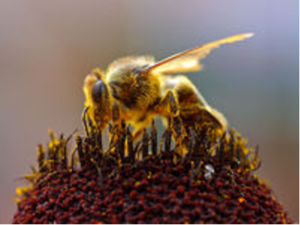
Bee collecting pollen
Bees are extremely important as pollinators in agriculture, especially the domesticated Western honey bee, with contract pollination having overtaken the role of honey production for beekeepers in many countries. Monoculture and pollinator decline (of many bee species) have increasingly caused honey bee keepers to become migratory so that bees can be concentrated in areas of pollination need at the appropriate season. Recently, many such migratory beekeepers have experienced substantial losses, prompting the announcement of investigation into the phenomenon, dubbed “Colony Collapse Disorder”, amidst great concern over the nature and extent of the losses.
Many other species of bees are increasingly cultured and used to meet the agricultural pollination need. Bees also play a major, though not always understood, role in providing food for birds and wildlife. Many of these bees survive in refuge in wild areas away from agricultural spraying, only to be poisoned in massive spray programs for mosquitoes, gypsy moths, or other pest insects.
Most bees are fuzzy and carry an electrostatic charge, thus aiding in the adherence of pollen. Female bees periodically stop foraging and groom themselves to pack the pollen into the scopa, which is on the legs in most bees, and on the ventral abdomen on others, and modified into specialized pollen baskets on the legs of honey bees and their relatives. Many bees are opportunistic foragers, and will gather pollen from a variety of plants, but many others are oligolectic, gathering pollen from only one or a few types of plant. A small number of plants produce nutritious floral oils rather than pollen, which are gathered and used by oligolectic bees. One small subgroup of stingless bees (called “vulture bees”) is specialized to feed on carrion, and these are the only bees that do not use plant products as food. Pollen and nectar are usually combined together to form a “provision mass”, which is often soupy, but can be firm. It is formed into various shapes (typically spheroid), and stored in a small chamber (a “cell”), with the egg deposited on the mass. The cell is typically sealed after the egg is laid, and the adult and larva never interact directly (a system called “mass provisioning”).
Visiting flowers is a dangerous occupation with high mortality rates. Many assassin bugs and crab spiders hide in flowers to capture unwary bees. Others are lost to birds in flight. Insecticides used on blooming plants can kill large numbers of bees, both by direct poisoning and by contamination of their food supply. A honey bee queen may lay 2000 eggs per day during spring buildup, but she also must lay 1000 to 1500 eggs per day during the foraging season, simply to replace daily casualties.
The population value of bees depends partly on the individual efficiency of the bees, but also on the population itself. Thus, while bumblebees have been found to be about ten times more efficient pollinators on cucurbits, the total efficiency of a colony of honey bees is much greater, due to greater numbers. Likewise, during early spring orchard blossoms, bumblebee populations are limited to only a few queens, thus they are not significant pollinators of early fruit.
Evolution
Bees vary tremendously in size. Bees, like ants, are essentially a highly specialized form of wasp. The ancestors of bees were wasps in the family Crabronidae, and therefore predators of other insects. The switch from insect prey to pollen may have resulted from the consumption of prey insects that were flower visitors and were partially covered with pollen when they were fed to the wasp larvae. This same evolutionary scenario has also occurred within the vespoid wasps, where the group known as “pollen wasps” also evolved from predatory ancestors. The oldest definitive bee fossil is Cretotrigona prisca in New Jersey amber and of Cretaceous age. The recently reported bee fossil, of the genus Melittosphex, is in fact a wasp stem-group to Anthophila but cannot be considered an actual bee as it lacks definitive bee traits and no information is available on whether or not it fed its larvae pollen.
The earliest animal pollinated flowers were pollinated by insects such as beetles, so the syndrome of insect pollination was well established before bees first appeared. The novelty is that bees are specialized as pollination agents, with behavioral and physical modifications that specifically enhance pollination, and are much more efficient at the task than beetles, flies, butterflies, pollen wasps, or any other pollinating insect. The appearance of such floral specialists is believed to have driven the adaptive radiation of the angiosperms, and, in turn, the bees themselves.
Eusocial and semisocial bees
Bees may be solitary or may live in various types of communities. The most advanced of these are eusocial colonies found among the honey bees, bumblebees, and stingless bees. Sociality, of several different types, is believed to have evolved separately many times within the bees.
In some species, groups of cohabiting females may be sisters, and if there is a division of labor within the group, then they are considered semisocial. If, in addition to a division of labor, the group consists of a mother and her daughters, then the group is called eusocial. The mother is considered the “queen” and the daughters are “workers”. These castes may be purely behavioral alternatives, in which case the system is considered “primitively eusocial” (similar to many paper wasps), and if the castes are morphologically discrete, then the system is ” highly eusocial”.
There are many more species of primitively eusocial bees than highly eusocial bees, but they have been rarely studied. The biology of most such species is almost completely unknown. The vast majority are in the family Halictidae, or “sweat bees”. Colonies are typically small, with a dozen or fewer workers, on average. The only physical difference between queens and workers is average size, if they differ at all. Most species have a single season colony cycle, even in the tropics, and only mated females (future queens, or “gynes”) hibernate (called diapause). A few species have long active seasons and attain colony sizes in the hundreds. The orchid bees include a number of primitively eusocial species with similar biology. Certain species of allodapine bees (relatives of carpenter bees) also have primitively eusocial colonies, with unusual levels of interaction between the adult bees and the developing brood. This is “progressive provisionin”; a larva’s food is supplied gradually as it develops. This system is also seen in honey bees and some bumblebees.
Highly eusocial bees live in colonies. Each colony has a single queen, together with workers and, at certain stages in the colony cycle, drones. When humans provide a home for a colony, the structure is called a hive. A honey bee hive can contain up to 40,000 bees at their annual peak, which occurs in the spring, but usually have fewer.
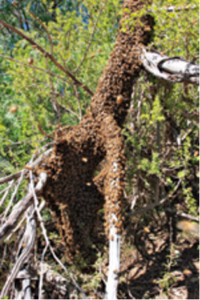
Eusocial honey bee swarm
Bumblebees
Bumblebees (Bombus terrestris, B. pratorum, et al.) are eusocial in a manner quite similar to the eusocial Vespidae such as hornets. The queen initiates a nest on her own (unlike queens of honey bees and stingless bees which start nests via swarms in the company of a large worker force). Bumblebee colonies typically have from 50 to 200 bees at peak population, which occurs in mid to late summer. Nest architecture is simple, limited by the size of the nest cavity (pre-existing), and colonies are rarely perennial. Bumblebee queens sometimes seek winter safety in honey bee hives, where they are sometimes found dead in the spring by beekeepers, presumably stung to death by the honey bees. It is unknown whether any survive winter in such an environment.
Stingless bees
Stingless bees are very diverse in behavior, but all are highly eusocial. They practice mass provisioning, complex nest architecture, and perennial colonies.
Honey bees
The true honey bees (genus Apis) have arguably the most complex social behavior among the bees. The Western (or European) honey bee, Apis mellifera, is the best known bee species and one of the best known of all insects.
Africanized honey bee
Africanized bees, also called killer bees, are a hybrid strain of Apis mellifera derived from experiments to cross European and African honey bees by Warwick Estevam Kerr. Several queen bees escaped his laboratory in South America and have spread throughout the Americas. Africanized honey bees are more defensive than European honey bees.
Solitary and communal bees
Most other bees, including familiar species of bee such as the Eastern carpenter bee (Xylocopa virginica), alfalfa leafcutter bee (Megachile rotundata), orchard mason bee (Osmia lignaria) and the hornfaced bee (Osmia cornifrons) are solitary in the sense that every female is fertile, and typically inhabits a nest she constructs herself. There are no worker bees for these species. Solitary bees typically produce neither honey nor beeswax. They are immune from acarine and Varroa mites (see diseases of the honey bee), but have their own unique parasites, pests and diseases.
Solitary bees are often oligoleges, in that they only gather pollen from one or a few species/ genera of plants (unlike honey bees and bumblebees which are generalists). No known bees are nectar specialists; many oligolectic bees will visit multiple plants for nectar, but there are no bees which visit only one plant for nectar while also gathering pollen from many different sources. Specialist pollinators also include bee species that gather floral oils instead of pollen, and male orchid bees, which gather aromatic compounds from orchids (one of the only cases where male bees are effective pollinators). In a very few cases only one species of bee can effectively pollinate a plant species, and some plants are endangered at least in part because their pollinator is dying off. There is, however, a pronounced tendency for oligolectic bees to be associated with common, widespread plants which are visited by multiple pollinators (e.g., there are some 40 oligoleges associated with creosotebush in the US desert southwest[1], and a similar pattern is seen in sunflowers, asters, mesquite, etc.)
Solitary bees create nests in hollow reeds or twigs, holes in wood, or, most commonly, in tunnels in the ground. The female typically creates a compartment (a “cell”) with an egg and some provisions for the resulting larva, then seals it off. A nest may consist of numerous cells. When the nest is in wood, usually the last (those closer to the entrance) contain eggs that will become males. The adult does not provide care for the brood once the egg is laid, and usually dies after making one or more nests. The males typically emerge first and are ready for mating when the females emerge. Providing nest boxes for solitary bees is increasingly popular for gardeners. Solitary bees are either stingless or very unlikely to sting (only in self defense, if ever).
While solitary females each make individual nests, some species are gregarious, preferring to make nests near others of the same species, giving the appearance to the casual observer that they are social. Large groups of solitary bee nests are called aggregations, to distinguish them from colonies.
In some species, multiple females share a common nest, but each makes and provisions her own cells independently. This type of group is called “communal” and is not uncommon. The primary advantage appears to be that a nest entrance is easier to defend from predators and parasites when there are multiple females using that same entrance on a regular basis.
Cleptoparasitic bees
Cleptoparasitic bees, commonly called “cuckoo bees” because their behavior is similar to cuckoo birds, occur in several bee families, though the name is technically best applied to the apid subfamily Nomadinae. Females of these bees lack pollen collecting structures (the scopa) and do not construct their own nests. They typically enter the nests of pollen collecting species, and lay their eggs in cells provisioned by the host bee. When the cuckoo bee larva hatches it consumes the host larva’s pollen ball, and if the female cleptoparasite has not already done so, kills and eats the host larva. In a few cases where the hosts are social species, the cleptoparasite remains in the host nest and lays many eggs, sometimes even killing the host queen and replacing her.
Many cleptoparasitic bees are closely related to, and resemble, their hosts in looks and size, (i.e., the Bombus subgenus Psithyrus, which are parasitic bumble bees that infiltrate nests of species in other subgenera of Bombus). This common pattern gave rise to the ecological principle known as “Emery’s Rule”. Others parasitize bees in different families, like Townsendiella, a nomadine apid, one species of which is a cleptoparasite of the melittid genus Hesperapis, while the other species in the same genus attack halictid bees.
“Nocturnal” bees
Four bee families (Andrenidae, Colletidae, Halictidae, and Apidae) contain some species that are crepuscular (these may be either the “vespertine” or “matinal” type). These bees have greatly enlarged ocelli, which are extremely sensitive to light and dark, though incapable of forming images. Many are pollinators of flowers that themselves are crepuscular, such as evening primroses, and some live in desert habitats where daytime temperatures are extremely high.
Bee flight
In 1934 August Magnan, a French entomologist, and his assistant André Sainte-Lague claimed that current insight into the aerodynamics of flight was unable to account for flight in umblebees.
In 2005, scientists at Caltech “demystified” honey bee flight with the assistance of high-speed digital photography and a giant robotic mock-up of a bee wing[2].
[edit] Miscellaneous
- Bees figure prominently in mythology.
- Bees are the favorite meal of Merops apiaster, a bird. Other common predators are kingbirds, mockingbirds, bee wolves, and dragonflies.
- Yellowjackets and hornets, especially when encountered as flying pests, are often mischaracterized as “bees”.
- Bees are often affected or even harmed by encounters with toxic chemicals in the environment (for example, see Bees and toxic chemicals).
- Despite the honey bee’s painful sting and the typical attitude towards insects as pests, people generally hold bees in high regard. This is most likely due to their usefulness as pollinators and as producers of honey, their social nature, and their diligence. Although a honey bee sting can be deadly to those with allergies, virtually all other bee species are non-aggressive if undisturbed, and many cannot sting at all. Bees are used to advertise many products, particularly honey and foods made with honey, thus being one of the few insects used on advertisements.
- Bee Wilson (2004: p.4) states that a community of honey bees have often been employed historically by political theorists as a model of human society.
- Albert Einstein: “If the bee disappeared off the surface of the globe then man would only have four years of life left. No more bees, no more pollination, no more plants, no more animals, no more man.”[1][2]
Notes
- Hurd, P.D. Jr., Linsley, E.G. 1975. The principal Larrea bees of the southwestern United States. Smithsonian Contributions to Zoology 193: 1-74.
- Deciphering the Mystery of Bee Flight Caltech Media Relations. Nov. 29, 2005. Retrieved 2007, 4-7.
References
- From NPR’s All Things Considered, March 29, 2007
- Wilson, Bee (2004). The Hive: The Story Of The Honeybee. London, Great Britain: John Murray (Publishers). ISBN 0 7195 6598 7
- Grimaldi, D. and Engel, M.S. (2005). Evolution of the Insects. Cambridge University Press. ISBN 0-521-82149-5.
- The Bees of the World, C. D. Michener (2000)
Monographia Apum Angliae, William Kirby (1802)
Bee Mythology
In the ancient Near East and throughout the Aegean world, bees were seen as a bridge between the natural world and the underworld. Bees were carved on tombs. The Mycenaean tholos tombs even took the form of beehives.

Gold placques embossed with the winged bee-goddesses, 7th century BCE (British Museum)
Winged, armed with toxin, creators of the fermentable honey, seemingly parthenogenetic in their immortal hive, bees were emblems of Potnia, the Minoan-Mycenaean “Mistress” older than Demeter, who might sometimes be called “the pure Mother Bee.” If ever it is doubted that Demeter and the archaic Artemis as she was honored at Ephesus were Hellenic embodiments of the Great Mother.[1] it should be recalled that “Not only the priestesses of Artemis at Ephesus were ‘Bees’, but also those of Demeter”, as Jane Ellen Harrison noted [2] “and, still, more significant, the Delphic priestess herself was a Bee”.
The Jewish historian Josephus correctly noted[3] that the name of the poet and prophet Deborah meant “bee”. The Homeric Hymn to Apollo acknowledges that Apollo’s gift of prophecy first came to him from three bee-maidens, usually identified with the Thriae. Pindar too remembered that the Pythian pre-Olympic priestess of Delphi remained “the Delphic bee” long after Apollo had usurped the ancient oracle and shrine. “The Delphic priestess in historical times chewed a laurel leaf,” Harrison noted, “but when she was a Bee surely she must have sought her inspir ation in the honeycomb”[4]
Beekeeping was a Minoan craft, and the fermented honey-drink was the old Cretan intoxicant, older than wine. Ernst Neustadt, in his monograph on Zeus Kretigenes, “Cretan-born Zeus”, devoted a chapter to the honey-goddess Melissa. The proto-Greek invaders, by contrast, did not bring the art of beekeeping with them. Homer saw bees as wild, never tame, as when the Achaeans issued forth from their ship encampment “like buzzing swarms of bees that come out in relays from a hollow rock” (Iliad, book II). Long after Knossos fell, for two thousand years, the classical Greek tongue preserved ” honey-intoxicated” as the phrase for “drunken.”[citation needed]
Thriae
The Thriae who offered Apollo the gift of prophecy were a trinity of pre-Hellenic bee-goddesses in the Aegean. The embossed gold plaque, one of a series of identical plaques recovered at Camiros in Rhodes[5] dates from the archaic period of Greek art, in the seventh century, but the winged bee-goddesses they depict must be far older.
Merope
The name “Merope” seems to mean “honey-faced” in Greek, thus “eloquent” in Classical times, but surely at an earlier level her “face” was a bee-mask. Cretan bee-masked priestesses appear on Minoan seals. One of the mythographers recalled the tradition that “Merope” was the “bee-eater” in the old Minoan tongue, before the Hellenes came to the Aegean.
Orion was a suitor of Merope. His birthplace was Hyrai in Boeotia, an ancient place mentioned in Homer’s catalogue of the ships that set forth to fetch Helen home from Troy. According to Hesychius, the Cretan word hyron meant ‘swarm of bees’ or ‘beehive’[6]. Like some other archaic names of Greek cities, such as Athens or Mycenae, Hyrai is plural, a name that once had evoked the place of “the sisters of the beehive.”
This name Merope figures in too many isolated tales for “Merope” to be an individual. Instead the “Merope” must denote a position as priestess of the Goddess. But surely Merope the “bee-eater” is unlikely to be always a bee herself. Though there is a small Mediterranean bird called the Bee-Eater, which was known under that name to Roman naturalists Pliny and Aelian, this Bee-Eater is most likely to have been a She-Bear, a representative of Artemis. The goddess was pictured primitively with a she-bear’s head herself, and the bear remained sacred to Artemis into classical times. At a festival called the Brauronia, pre-pubescent girls were dressed in honey-colored yellow robes and taught to perform a bear dance. Once they had briefly served Artemis in this way, they would be ready to be married. In later times, a Syriac Book of Medicine recommends that the eye of a bear, placed in a hive, makes the bees prosper. The bear’s spirit apparently watches over the hive, and this was precisely the Merope’s role among the Hyrai at Chios.
Notes
- Other aspects of the Great Mother are detectable in Rhea the Earth Mother and Anatolian Cybele
- Harrison 1922:442.
- Jud. 5.200.
- Harrison 1922:442.
- One was illustrated in a line drawing in Harrison 1922:443, fig 135
- Kerenyi 1976:42-3
References
- Cook, A.B. “The bee in Greek mythology” 1895 Journal of the Hellenic Society 15 pp 1ff, noted by Harrison 1922:443 note 1.
- Harrison, Jane Ellen, 1922. Prolegomena to the Study of Greek religion, third edition, pp 91 and 442f .
- Kerenyi, Karl 1976. Dionysos: Archetypal Image of Indestructible Life (Princeton: Bollingen Press)
- Neustadt, Ernst 1906. De Jove cretico, (Berlin). Chapter III “de Melissa dea” discusses bee-goddesses and bee-priestesses in Crete.
- Scheinberg, Susan 1979. “The Bee Maidens of the Homeric Hymn to Hermes” Harvard Studies in Classical Philology 83(1979), pp. 1-28.
Beekeeping
Beekeeping (or apiculture, from Latin apis, a bee) is the practice of intentional maintenance of honey bee colonies, commonly in hives, by humans. A beekeeper (or apiarist) may keep bees in order to collect honey and beeswax, or for the purpose of pollinating crops, or to produce bees for sale to other beekeepers. A location where bees are kept is called an apiary.
History of beekeeping
Beekeeping is one of the oldest forms of food production. Some of the earliest evidence of beekeeping is from rock painting, dating to around 13,000 BC. It was particularly well developed in Egypt and was discussed by the Roman writers Virgil, Gaius Julius Hyginus, Varro, and Columella. Aspects of the lives of bees and beekeeping are discussed at length by Aristotle. A pioneering beekeeping popularizer in the 19th century United States was Amos Root. John Harbison, originally from Pennsylvania, successfully was brought bee keeping to the US west coast in the 1860’s, in an area now known as Harbison Canyon California, and greatly expanded the market for honey throughout the country.
Beekeeping was traditionally practiced for the bees’ honey harvest, although nowadays crop pollination service can often provide a greater part of a commercial beekeeper’s income. Other hive products are pollen, royal jelly, and propolis, which are also used for nutritional and medicinal purposes, and beeswax, which is used in candle making, cosmetics, wood polish, and for modelling. The modern use of hive products has changed little since ancient times.
Western honey bees are not native to the Americas. American, Australian, and New Zealand colonists imported honey bees from Europe, partly for honey and partly for their usefulness as pollinators. The first honey bee species imported were likely European dark bees. Later Italian bees, Carniolan honey bees and Caucasian bees were added.
Western honey bees were also brought to the Primorsky Krai in Russia by Ukrainian settlers around 1850s. These Russian honey bees that are similar to the Carniolan bee were imported into the U.S. in 1990. The Russian honey bee has shown to be more resistant to the bee parasites Varroa destructor and Acarapis woodi.
Before the 1980s, most U.S. hobby beekeepers were farmers or relatives of a farmer, lived in rural areas, and kept bees with techniques passed down for generations. The arrival of tracheal mites in the 1980s and varroa mites and small hive beetles in the 1990s led to the discontinuation of the practice by most of these beekeepers as their bees could not survive among these new parasites.
In Asia, other species of Apis exist which are used by local beekeepers for honey and beeswax. Non-Apis species of honey bees, known collectively as stingless bees, have also been kept from antiquity in Australia and Central America, although these traditions are dying, and some of the meliponine species used are endangered.
Art of beekeeping
The control of a colony mainly consists in taking care of the state of the “demography” of the hives. Although some call it a “science,” the “art” of the beekeeper is in managing a colony’s population so that the maximum number of bees is available for a task at a particular time. Most beekeepers are interested in a surplus of honey. Maximal honey production occurs when the most workers bees (both foragers and ripeners) are present at the exact same time that nectar-producing flowers (in both numbers and nectar production) are also at an optimum. For pollination, both the grower and beekeeper are looking for a surplus of foraging honey bees. Package bee and queen producers try to have as many nurse (young worker) bees as possible on hand. Queen breeders also try to manage drone population numbers.
A colony of bees is composed of a single queen, many workers (infertile females), drones (males), and a brood (eggs, larvae, and pupae). A hive is the box used by beekeepers to house a colony.
A colony of bees tries to accumulate a surplus of provisions (nectar and pollen) during the more favorable seasons (when there is a lot of forage, such as flowers available, along with good weather) in order to be able to survive the more unfavourable seasons and reproduce. This period is the winter in the Northern hemisphere; in the Southern Hemisphere and in Africa this period is the dry season, or Summer.
The population of the colony varies according to the seasons. It is important for the colony to have a large population (30,000 to 60,000+ individuals) when there is a lot of forage available, in order to achieve the greatest possible harvest. The population is minimal in the winter (6,000 individuals) in order to reduce the consumption of provisions. The colony should not be too weak, however, because the bees which overwinter have to revive the colony again in the spring. If the population is too small over winter, another problem may be encountered: honey bees need to cluster together in winter in order to maintain the temperature (9 degrees celsius) required for their survival, and with reduced populations this is much more difficult to achieve.
Types of beekeepers
Beekeepers generally categorize themselves as :
- Commercial beekeeper — Beekeeping is the primary source of income.
- Sideliner — Beekeeping is a secondary source of income.
- Hobbyist — Beekeeping is not a significant source of income.
Some southern U.S. and southern hemisphere (New Zealand) beekeepers keep bees primarily to raise queens and package bees for sale. In the U.S., northern beekeepers can buy early spring queens and 3- or 4-pound packages of live worker bees from the South to replenish hives that die out during the winter, although this is becoming less practical due to the spread of the africanized bee.
In cold climates commercial beekeepers have to migrate with the seasons, hauling their hives on trucks to gentler southern climates for better wintering and early spring build-up. Many make “nucs” (small starter or nucleus colonies) for sale or replenishment of their own losses during the early spring. In the U.S. some may pollinate squash or cucumbers in Florida or make early honey from citrus groves in Florida, Texas or California. The largest demand for pollination comes from the almond groves in California. As spring moves northward so do the beekeepers, to supply bees for tree fruits, blueberries, strawberries, cranberries and later vegetables. Some commercial beekeepers alternate between pollination service and honey production but usually cannot do both at the same time.
In the Northern Hemisphere, beekeepers usually harvest honey from July until September, though in warmer climates the season can be longer. The rest of the year is spent keeping the hive free of pests and disease, and ensuring that the bee colony has room in the hive to expand. Success for the hobbyist also depends on locating the apiary so bees have a good nectar source and pollen source throughout the year.
In the Southern Hemisphere, beekeeping is an all-the-year-round enterprise, although in cooler areas (to the south of Australia and New Zealand) the activity may be minimal in the winter (May to August). Consequently, the movement of commercial hives is more localised in these areas.
Types of beekeeping equipment
There are considerable regional variations in the type of hive in which bees are kept. A hive is a set of wooden boxes filled with frames that each hold a sheet of wax or plastic foundation. The bottom box, or brood chamber, contains the queen and most of the bees; the upper boxes, or supers, contain just honey. The bees produce wax and build honeycomb using the wax sheets as a starting point, after which they may raise brood or deposit honey and pollen in the cells of the comb. These frames can be freely manipulated and honey supers with frames full of honey can be taken and extracted for their honey crop.
In the USA, the Langstroth hive is commonly used. The Langstroth was the first successful top-opened hive with movable frames, and other designs of hive have been based on it. Langsthroth hive was however a descendant of Jan Dzierzon’s hive designs.
In the UK, the most common type of hive is the National Hive but it is not unusual to see some other sorts of hive (Smith, Commercial and WBC, rarely Langstroth). The more traditional skep is now largely unlawful in the United States, as the comb and brood cannot be inspected for diseases. A few hobby beekeepers are adopting various top-bar hives commonly found in Africa. These have no frames and the honey filled comb is not returned to the hive after extraction, as it is in the Langstroth hive. Because of this the production of honey in a top bar hive is only about 20% that of a Langstroth hive, but the initial costs and equipment requirements are far lower. Top-bar hives also offer some advantages in interacting with the bees and the amount of weight that must be lifted is greatly reduced.
Protective clothing
Interacting with the bees, novice beekeepers usually wear protective clothing (including gloves and a hooded suit or hat and veil). Experienced beekeepers rarely use gloves because they inhibit delicate movement. The face and neck are the most important areas to protect, so most beekeepers will at least wear a veil.
Defensive bees are attracted to the breath and a sting on the face can lead to much more pain and swelling than a sting elsewhere while a sting on a bare hand can usually be quickly removed by fingernail scrape to reduce the amount of venom injected.
The protective clothing is generally light colored and of a smooth material. This provides the maximum differentiation from the colony’s natural predators (bears, skunks, etc.) which tend to be dark-colored and furry.
Smoker
Smoke is the beekeeper’s second line of defense. Most beekeepers use a “smoker”—a device designed to generate smoke from the incomplete combustion of various fuels. Smoke calms bees; it initiates a feeding response in anticipation of possible hive abandonment due to fire. Smoke also masks alarm pheromones released by guard bees or when bees are squashed in an inspection. The ensuing confusion creates an opportunity for the beekeeper to open the hive and work without triggering a defensive reaction. In addition, when a bee consumes honey the bee’s abdomen distends, supposedly making it difficult to make the necessary flexes to sting, though this has not been tested scientifically.
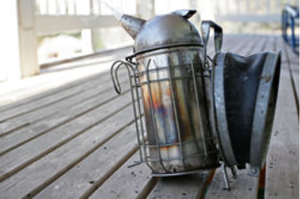
A bee smoker
Smoke is of no use with a swarm, because swarms do not have honey stores to feed on in response. Usually smoke is not needed since swarms tend to be less defensive, as they have no stores to defend, and a fresh swarm will have fed well from the hive.
Many types of fuel can be used in a smoker as long as it is natural and not contaminated with harmful substances. These fuels include hessian, pine needles, corrugated cardboard, and rotten or punky wood. Some beekeeping supply sources also sell commercial fuels like pulped paper and compressed cotton, or even aerosol cans of smoke.
Formation of new colonies
Swarming
The most successful colonies reproduce by swarming. In the beginning of spring, several queen cells are produced. About a week before the queens hatch, the old queen leaves the hive with half of the worker bees (all categories) and they form a swarm: right when they leave, the worker bees’ crops are all stuffed with supplies, and because of this they are less inclined to sting: a new swarm is gentle for several hours.

A swarm about to land
This new swarm is now looking for shelter; a beekeeper who captures it and introduces it into a new hive helps to meet this need. Otherwise, it will return to a wild state, in which case it will find shelter in a hollow tree, an excavation, an abandoned chimney or even behind shutters.
Inside the hive, the first queen to be born will immediately kill all her rivals who are still in their cells. This is due to the fact that each colony can have only one queen. One week later, the new queen undertakes her first nuptial flight.
A colony can produce, from spring to the start of summer, up to three swarms: the primary, secondary and tertiary.
Artificial swarming
When a colony accidentally loses its queen, it is said to be orphaned. The workers realize that the queen is absent after one or two days. The colony cannot survive without the queen laying eggs, renewing its population. So the workers select cells containing eggs aged less than three days and enlarge these cells. The larvae contained therein receive nothing but royal jelly, which ensures that they will grow up to be queens.
Beekeepers use this capability in order to multiply their colonies. In order to do this, they remove several honeycomb panels from a healthy hive. These panels must hold many worker bees and eggs aged less than three days. The workers are then placed into a little hive that has honeycombs filled with provisions. If everything goes well, a new queen is born two weeks later.
Bee rentals and “Mobile Beekeeping”
After the winter of 1907, US beekeeper Nephi Miller decided to try moving his hives to different areas of the country to increase their productivity during winter. Since then, “mobile beekeeping” has become widespread in America. It is a crucial element of US agriculture, which could not produce anywhere near its current levels with native pollinators alone. Beekeepers there earn much more from renting their bees out for pollination than they do from honey production.
One major US beekeeper reports moving his hives from Idaho to California in January, then to apple orchards in Washington in March, to North Dakota two months later, and then back to Idaho by November – a journey of several thousands of miles. Others move from Florida to New Hampshire or to Texas; nearly all visit California for the almond bloom in January.
Keepers in Europe and Asia are generally far less mobile, with bee populations moving and mingling within a smaller geographic extent (although some keepers do move longer distances, its much less common). This wider spread and intermingling in the US has resulted in far greater losses from Varroa mite infections in recent years.
Criticism
The animal rights non-governmental organization PETA has considered beekeeping an unethical activity, claiming that “honeybees are victims of unnatural living conditions, genetic manipulation, and stressful transportation.”
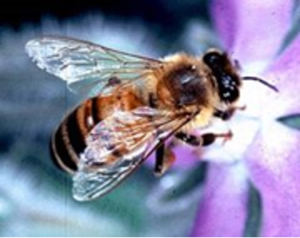
Western honey bee
The Western honey bee or European honey bee (Apis mellifera) is a species of honey bee comprised of several subspecies or races. Mellifera is Latin, and means honey-carrying (apis n, “bee,” mel, melis n, “honey,” and fero, ferre, tuli, latum [v1], “to carry”) – hence “Apis mellifera” is the honey-carrying bee. The name was coined in 1758 by Carolus Linnaeus, though in a subsequent 1761 publication, he referred to it as mellifica; the older name has precedence, but some people still utilize the incorrect subsequent spelling. As of October 28, 2006, the Honey Bee Genome Sequencing Consortium fully sequenced and analyzed the genome of Apis mellifera.
Geographic distribution
Subspecies originating in Europe :
- Apis mellifera ligustica , classified by Spinola, 1806 – the Italian bee. The most commonly kept race in North America, South America and southern Europe. They are kept commercially all over the world. They are very gentle, not terribly inclined to swarm, and produce a large surplus of honey. They have few negative characteristics. Colonies tend to maintain larger populations through winter, so they require more winter stores (or feeding) than other temperate zone races. Italians are light colored, most leather colored, but some strains are golden.
- Apis mellifera carnica, classified by Pollmann, 1879 – Slovenia – better known as the Carniolan honey bee – popular with beekeepers due to its extreme gentleness. The Carniolan tends to be quite dark in color, and the colonies are known to shrink to small populations over winter, and build very quickly in spring. It is a mountain bee in its native range, and is a good bee for cold climates. It does not do well in areas with long, hot summers.
- Apis mellifera caucasica, classified by Pollmann, 1889 – Caucasus Mountains – This sub-species is regarded as being very gentle and fairly industrious. Some strains are excessive propolizers. It is a large honeybee of medium, sometimes grayish color.
- Apis mellifera remipes, classified by Gerstäcker, 1862 – Caucasus, Iran, Caspian lake.
- Apis mellifera mellifera, classified by Linnaeus, 1758 – the dark bee of northern Europe also called the German honey bee – domesticated in modern times, and taken to North America in colonial times. These small, dark-colored bees, sometimes called the German black bee, have the reputation of stinging people (and other creatures) for no good reason at all; this, however, applies to the hybrid A. m. mellifera x A. m. ligustica populations found in North America and Western Europe, not to the near-extinct “pure” A. m. mellifera.
- Apis mellifera iberiensis, classified by Engel, 1999 – the bee from the Iberian peninsula (Spain and Portugal)
- Apis mellifera cecropia, classified by Kiesenwetter, 1860 – Southern Greece
- Apis mellifera cypria, classified by Pollmann, 1879 – The island of Cyprus – This sub-species has the reputation of being very fierce compared to the neighboring Italian sub-species, from which it is isolated by the Mediterranean Sea
- Apis mellifera ruttneri, classified by Sheppard, Arias, Grech & Meixner in 1997- is a sub- species originating in the Maltese islands.
- Apis mellifera sicula, classified by Montagano, 1911 – from the Trapani province and the island of Ustica of western Sicily.
Subspecies originating in Africa
Several researchers and beekeepers describe a general trait of the African subspecies which is absconding, where the Africanized honeybee colonies abscond the hive in times when food-stores are low, unlike the European colonies which tend to die in the hive.
- Apis mellifera scutellata, classified by Lepeletier, 1836 – (African honey bee) Central and West Africa, now hybrids also in South America, Central America and the southern USA. In an effort to address concerns by Brazilian beekeepers and to increase honey production in Brazil, Warwick Kerr, a Brazilian geneticist, was asked by Brazilian Federal and State authorities in 1956 to import about pure African queens from Tanzania to Piracicaba-São Paulo State in the south of Brazil. In a mishap some queens escaped. The African queens eventually mated with local drones and produced what are now known as Africanized honey bees on the American continent. The intense struggle for survival of honey bees in sub-Saharan Africa is given as the reason that this sub-species is proactive in defending the hive, and also more likely to abandon an existing hive and swarm to a more secure location. They direct more of their energies to defensive behaviors and less of their energies to honey storage. African honey bees are leather colored, difficult to distinguish by eye from darker strains of Italian bees.
Source: Abramsona, Charles I. ; Aquinob, Italo S. ; Brain, Behavior, Evolution 2002;59:68-86) Behavioral Studies of Learning in the Africanized Honey Bee (Apis mellifera L.) web accessed Nov. 2006 - Apis mellifera capensis, classified by Eschscholtz, 1822 – the Cape bee from South Africa.
- Apis mellifera monticola, classified by Smith, 1961 – High altitude mountains at elevation between 1,500 and 3,100 metres of East Africa Mt. Elgon, Mt. Kilimanjaro, Mt.Kenya, Mt.Meru.
- Apis mellifera sahariensis, classified by Baldensperger, 1932 – from the Moroccan desert oases of Northwest Africa. This sub-species faces few predators other than humans and is therefore very gentle. Moreover, because of the low density of nectar-producing vegetation around the oases it colonizes, it forages up to five miles, much farther than sub-species from less arid regions. Other authorities say that while colonies of this species are not much inclined to sting when their hives are opened for inspection, they are, nevertheless, highly nervous.
- Apis mellifera intermissa, classified by von Buttel-Reepen, 1906; Maa, 1953 – Northern part of Africa in the general area of Morocco, Libya and Tunisia. These bees are totally black. They are extremely fierce but do not attack without provocation. They are industrious and hardy, but have many negative qualities that argue against their being favored in the honey or pollination industry.
- Apis mellifera major, classified by Ruttner, 1978 – from the Rif mountains of Northwest Morocco – This bee may be a brown variety of the Apis mellifera intermissa but there are also anatomic differences.
- Apis mellifera adansonii, classified by Latreille, 1804 – originates Nigeria, Burkina Faso.
- Apis mellifera unicolor, classified by Latreille, 1804 – Madagascar.
- Apis mellifera lamarckii, classified by Cockerell, 1906 – (Lamarck’s honey bee) of the Nile valley of Egypt and Sudan. This mitotype can also be identified in honey bees from California. [1]
- Apis mellifera litorea, classified by Smith, 1961 – Low elevations of east Africa.
- Apis mellifera nubica, (Nubian honey bee) of Sudan.
- Apis mellifera jemenitica, classified by Ruttner, 1976 – Somalia, Uganda, Sudan, Yemen.
Subspecies originating in the Middle East and Asia
- Apis mellifera macedonia, classified by Ruttner, 1988 – Northern Greece.
- Apis mellifera meda, classified by Skorikov, 1829 – Iraq.
- Apis mellifera adamii, classified by Ruttner, 1977 – Crete.
- Apis mellifera armeniaca, Mid-East, Caucasus, Armenia.
- Apis mellifera anatolica, classified by Maa, 1953 – This race is typified by colonies in the central region of Anatolia in Turkey and Iraq (Range extends as far West as Armenia). It has many good characteristics but is rather unpleasant to deal with in and around the hive.
- Apis mellifera syriaca, classified by Skorikov, 1829 – (Syrian honeybee) Near East and Israel.
- Apis mellifera pomonella, classified by Sheppard & Meixner, 2003 – Endemic honey bees of the Tien Shan Mountains in Central Asia. This sub-species of Apis mellifera has a range that is the farthest East.
Biology, life cycle
In the temperate zone, honey bees survive winter as a colony, and the queen begins egg laying in mid to late winter, to prepare for spring. This is most likely triggered by longer day length. She is the only fertile female, and deposits all the eggs from which the other bees are produced. Except a brief mating period when she may make several flights to mate with drones, or if she leaves in later life with a swarm to establish a new colony, the queen rarely leaves the hive after the larvae have become full grown bees. The queen deposits each egg in a cell prepared by the worker bees. The egg hatches into a small larva which is fed by nurse bees (worker bees who maintain the interior of the colony). After about a week, the larva is sealed up in its cell by the nurse bees and begins the pupal stage. After another week, it will emerge an adult bee.
For the first ten days of their lives, the female worker bees clean the hive and feed the larvae. After this, they begin building comb cells. On days 16 through 20, a worker receives nectar and pollen from older workers and stores it. After the 20th day, a worker leaves the hive and spends the remainder of its life as a forager. The population of a healthy hive in mid-summer can average between 40,000 and 80,000 bees.
The larvae and pupae in a frame of honeycomb are referred to as frames of brood and are often sold (with adhering bees) by beekeepers to other beekeepers to start new beehives.
Both workers and queens are fed “royal jelly” during the first three days of the larval stage. Then workers are switched to a diet of pollen and nectar or diluted honey, while those intended for queens will continue to receive royal jelly. This causes the larva to develop to the pupa stage more quickly, while being also larger and fully developed sexually. Queen breeders consider good nutrition during the larval stage to be of critical importance to the quality of the queens raised, good genetics and sufficient number of matings also being factors. During the larval and pupal stages, various parasites can attack the pupa/larva and destroy or damage it.
Queens are not raised in the typical horizontal brood cells of the honeycomb. The typical queen cell is specially constructed to be much larger, and has a vertical orientation. However, should the workers sense that the old queen is weakening, they will produce emergency cells known as supersedure cells. These cells are made from a cell with an egg or very young larva. These cells protrude from the comb. As the queen finishes her larval feeding, and pupates, she moves into a head downward position, from which she will later chew her way out of the cell. At pupation the workers cap or seal the cell. Just prior to emerging from their cells, young queens can often be heard “piping.” The purpose of this sound is not yet fully understood.
Worker bees are infertile females; however, in some circumstances they may lay infertile eggs, and in one subspecies these eggs may be fertile. Worker bees secrete the wax used to build the hive, clean and maintain the hive, raise the young, guard the hive and forage for nectar and pollen.
In honey bees, the worker bees have a modified ovipositor called a stinger with which they can sting to defend the hive, but unlike other bees of any other genus (and even unlike the queens of their own species), the stinger is barbed. Contrary to popular belief, the bee will not always die soon after stinging: this is a misconception based on the fact that a bee will usually die after stinging a human or other mammal. The sting and associated venom sac are modified so as to pull free of the body once lodged (autotomy), and the sting apparatus has its own musculature and ganglion which allow it to keep delivering venom once detached. It is presumed that this complex apparatus, including the barbs on the sting, evolved specifically in response to predation by vertebrates, as the barbs do not function (and the sting apparatus does not detach) unless the sting is embedded in elastic material.
Even then, the barbs do not always “catch”, so a bee may occasionally pull the sting free and either fly off unharmed, or sting again.
Drone bees are the male bees of the colony. Since they do not have ovipositors, they also do not have stingers. Drone honeybees do not forage for nectar or pollen. In some species, drones are suspected of playing a contributing role in the temperature regulation of the hive. The primary purpose of a drone bee is to fertilize a new queen. Multiple drones will mate with any given queen in flight, and each drone will die immediately after mating; the process of insemination requires a lethally convulsive effort.
Queens live for up to three years, while workers have an average life of only three months (during the foraging season, but longer in places with extended winters).
Honey bee queens release pheromones to regulate hive activities, and worker bees also produce pheromones for various communications (below).
Bees produce honey by collecting nectar, which is a clear liquid consisting of nearly 80% water with complex sugars. The collecting bees store the nectar in a second stomach and return to the hive where worker bees remove the nectar. The worker bees digest the raw nectar for about 30 minutes using enzymes to break up the complex sugars into simpler ones. Raw honey is then spread out in empty honeycomb cells to dry, which reduces the water content to less than 20%. When nectar is being processed, honeybees create a draft through the hive by fanning with their wings. Once dried, the cells of the honeycomb are sealed (capped) with wax to preserve the honey.
When a hive detects smoke, many bees become remarkably non aggressive. It is speculated that this is a defense mechanism; wild colonies generally live in hollow trees, and when bees detect smoke it is presumed that they prepare to evacuate from a forest fire, carrying as much food reserve as they can. In this state, defense from predation is relatively unimportant; saving as much as possible is the most important activity.
Thermal regulation of the Honey bee
The honey bee needs an internal body temperature of 35°C to fly, which is also the temperature within the cluster. The brood nest needs the same temperature over a long period to develop the brood, and it is the optimal temperature for the creation of wax.
The temperature on the periphery of the cluster varies with the outside air temperature. In the winter cluster, the inside temperature is as low as 20 – 22°C.
Honey bees are able to forage over a 30 degrees C range of air temperature largely because they have behavioural and physiological mechanisms for regulating the temperature of their flight muscles. From very low to very high air temperatures, the successive mechanisms are shivering before flight and stopping flight for additional shivering, passive body temperature in a comfort range that is a function of work effort, and finally active heat dissipation by evaporative cooling from regurgitated honey sac contents. The body temperatures maintained differ depending on expected foraging rewards and on caste. [1] The optimal air temperature for foraging is 22 – 25°C. During flight, the rather large flight muscles create heat, which must dissipate. The honeybee uses a form of evaporative cooling to release heat through its mouth. Under hot conditions, heat from the thorax is dissipated through the head. The bee regurgitates a droplet of hot internal fluid- a ” honeycrop droplet”- which immediately cools the head temperature by 10 degrees C. [2]
Below 7-10°C, bees become immobile due to the cold and above 38°C bee activity slows due to heat. Honey bees can tolerate temperatures up to 50°C for short periods.
Honey bee queens
Periodically, the colony determines that a new queen is needed. There are three general triggers :
- The colony becomes space-constrained because the hive is filled with honey, leaving little room for new eggs. This will trigger a swarm where the old queen will take about half the worker bees to found a new colony, leaving the new queen with the other half of worker bees to continue the old colony.
- The old queen begins to fail. This is thought to be recognized by a decrease in queen pheromones throughout the hive. This situation is called supersedure. At the end of the supersedure, the old queen is generally killed.
- The old queen dies suddenly. This is an emergency supersedure. The worker bees will find several eggs or larvae in the right age-range and attempt to develop them into queens. Emergency supersedure can generally be recognized because the queen cell is built out from a regular cell of the comb rather than hanging from the bottom of a frame.
Regardless of the trigger, the workers develop the larvae into queens by continuing to feed them royal jelly. This triggers an extended development as a pupa.
When the virgin queen emerges, she is commonly thought to seek out other queen cells and sting the infant queens within and that should two queens emerge simultaneously, they will fight to the death. Recent studies, however, have indicated that colonies may maintain two queens in as many as 10% of hives. The mechanism by which this occurs is not yet known. Regardless, the queen asserts her control over the worker bees through the release of a complex suite of pheromones called queen scent.
After several days of orientation within and around the hive, the young queen flies to a drone congregation point – a site near a clearing and generally about 30 feet above the ground where the drones from different hives tend to congregate in a swirling aerial mass. Drones detect the presence of a queen in their congregation area by her smell, and then find her by sight and mate with her in midair (drones can be induced to mate with “dummy” queens if they have the queen pheromone applied). A queen will mate multiple times and may leave to mate several days in a row, weather permitting, until her spermatheca is full.
The queen lays all the eggs in a healthy colony. The number and pace of egg-laying is controlled by weather and availability of resources and by the characteristics of the specific race of honeybee. Honey bee queens generally begin to slow egg-laying in the early-fall and may even stop during the winter. Egg-laying will generally resume in late winter as soon as the days begin to get longer. Egg-laying generally peaks in the spring. At the height of the season, she may lay over 2500 eggs per day – more than her own body mass.
The queen fertilizes each egg as it is being laid using stored sperm from the spermatheca. The queen will occasionally not fertilize an egg. These eggs, having only half as many genes as the queen or the workers, develop into drones.
Genome Code
The Western honey bee is the third insect, after the fruit fly and the mosquito, to have its genome mapped. According to the scientists who analysed its genetic code, the honey bee originated in Africa and spread to Europe in two ancient migrations.[3] They have also discovered that the number of genes in the honey bees related to smell outnumber those for taste, and they have fewer genes for immunity than the fruit fly and the mosquito. [4] The genome sequence revealed several groups of genes, particularly the genes related to circadian rhythms, were closer to vertebrates than other insects. Genes related to enzymes that control other genes were also vertabratelike.[5]
Honey bee pheromones
Honey bees use special pheromones, or chemical communication, for almost all behaviors of life. Such uses include (but are not limited to): mating, alarm, defense, orientation, kin and colony recognition, food production, and integration of colony activities. Pheromones are thus essential to honey bees for their survival.
Honey bee communication
Honey bees are an excellent animal to study with regards to behavior because they are abundant and familiar to most people. An animal that is disregarded every day has very specific behaviors that go unnoticed by the normal person. Karl von Frisch studied the behavior of honey bees with regards to communication and was awarded the Nobel Prize for physiology and medicine in 1973. Von Frisch noticed that honey bees communicate with the language of dance. Honey bees are able to direct other bees to food sources through the round dance and the waggle dance. The round dance tells the other foragers that food is within 50 meters of the hive, but it does not provide much information regarding direction. The waggle dance, which may be vertical or horizontal, provides more detail about both the distance and the direction of the located food source. It is also hypothesized that the bees rely on their olfactory sense to help locate the food source once the foragers are given directions from the dances.
Another signal for communication is the shaking signal, also known as the jerking dance, vibration dance, or vibration signal. It is a modulatory communication signal because it appears to manipulate the overall arousal or activity of behaviors. The shaking signal is most common in worker communication, but it is also evident in reproductive swarming. A worker bee vibrates its body dorsoventrally while holding another honey bee with its front legs. Jacobus Biesmeijer examined the incidence of shaking signals in a forager’s life and the conditions that led to its performance to investigate why the shaking signal is used in communication for food sources. Biesmeijer found that the experienced foragers executed 92.1% of the observed shaking signals. He also observed that 64% of the shaking signals were executed by experienced foragers after they had discovered a food source. About 71% of the shaking signal sessions occurred after the first five foraging success within one day. Then other communication signals, such as the waggle dance, were performed more often after the first five successes. Biesmeijer proved that most shakers are foragers and that the shaking signal is most often executed by foraging bees over pre-foraging bees. Beismeijer concluded that the shaking signal presents the overall message of transfer work for various activities or activity levels. Sometimes the signal serves to increase activity, when bees shake inactive bees. At other times, the signal serves as an inhibitory mechanism such as the shaking signal at the end of the day. However, the shaking signal is preferentially directed towards inactive bees. All three types of communication between honey bees are effective in their jobs with regards to foraging and task managing.
“The general story of the communication of the distance, the situation, and the direction of a food source by the dances of the returning (honey bee) worker bee on the vertical comb of the hive, has been known in general outline from the work of Karl von Frisch in the middle 1950s.”
Social choice lessons from honey bees
Honey bees have been shown to employ what in human terms would be called range voting to make hive-relocation decisions, see Myerscough (2003), Lindauer (1971) and this essay at the Center for Range Voting.
Beekeeping
also see the Beekeeping section
The honey bee is a colonial insect that is often maintained, fed, and transported by beekeepers. Honey bees do not survive individually, but rather as part of the colony. Reproduction is also accomplished at the colony level. Colonies are often referred to as superorganisms.
Honey bees collect flower nectar and convert it to honey which is stored in their hives. Nectar and honey provide the energy for the bees’ flight muscles and for heating the hive during the winter period. Honey bees also collect pollen which supplies protein and fat for bee brood to grow. Centuries of selective breeding by humans have created honey bees that produce far more honey than the colony needs. Beekeepers, also known as “apiarists,” harvest the honey.
Beekeepers often provide a place for the colony to live and to store honey. There are seven basic types of beehive: skeps, Langstroth hives, top-bar hives, box hives, log gums, D.E. hives and miller hives. All U.S. states require beekeepers to use movable frames to allow bee inspectors to check the brood for disease. This allows beekeepers to keep the Langstroth, top-bar, and D.E. hives freely, but other types of hives require special permitting, such as for museum use. The type of beehive used significantly impacts colony health and wax and honey production.
Modern hives also enable beekeepers to transport bees, moving from field to field as the crop needs pollinating and allowing the beekeeper to charge for the pollination services they provide.
In cold climates some beekeepers have kept colonies alive (with varying success) by moving them indoors for winter. While this can protect the colonies from extremes of temperature and make winter care and feeding more convenient for the beekeeper, it can increase the risk of dysentery and can create an excessive buildup of carbon dioxide from the respiration of the bees. Recently, inside wintering has been refined by Canadian beekeepers, who build large barns just for wintering bees. Automated ventilation systems assist in the control of carbon dioxide build-up.
Products of the honey bee
Pollination
The honey bee’s primary commercial value is as a pollinator of crops. Orchards and fields have grown larger; at the same time wild pollinators have dwindled. In several areas of the world the pollination shortage is compensated by migratory beekeeping, with beekeepers supplying the hives during the crop bloom and moving them after bloom is complete. In many higher latitude locations it is difficult or impossible to winter over enough bees, or at least to have them ready for early blooming plants, so much of the migration is seasonal, with many hives wintering in warmer climates and moving to follow the bloom to higher latitudes.
As an example, in California, the pollination of almonds occurs in February, early in the growing season, before local hives have built up their populations. Almond orchards require two hives per acre (2,000 m² per hive) for maximum yield and so the pollination is highly dependent upon the importation of hives from warmer climates. Almond pollination, which occurs in February and March, is the largest managed pollination event in the world, requiring more than one third of all the managed honey bees in the United States. Massive movement of honey bee are also made for apples in New York, Michigan, and Washington. And despite the inefficiency of honey bees in pollinating blueberries[6], huge numbers are also moved to Maine for blueberries, because they are the only pollinators that can be relatively easily moved and concentrated for this and other monoculture crops.
Commercial beekeepers plan their movements and their wintering locations with prime reference to the pollination services they plan to perform.
Honey
Honey is the complex substance made when the nectar and sweet deposits from plants and trees are gathered, modified and stored in the honeycomb by honey bees.
Beeswax
Worker bees of a certain age will secrete beeswax from a series of glands on their abdomen. They use the wax to form the walls and caps of the comb. When honey is harvested, the wax can be gathered to be used in various wax products like candles and seals.
Pollen
Bees collect pollen in the pollen basket and carry it back to the hive. In the hive, pollen is used as a protein source necessary during brood-rearing. In certain environments, excess pollen can be collected from the hives. It is often eaten as a health supplement.
Propolis
Propolis (or bee glue) is created from resins, balsams and tree saps. Honey bees use propolis to seal cracks in the hive. Propolis is also sold for its reported health benefits.
Royal jelly
Royal Jelly is a nutritional food product provided to larval bees, particularly those intended to become queens. It is also harvested and consumed by humans as a dietary supplement, as it contains various vitamins and amino acids.
Hazards to honey bee survival
Western honey bee populations have recently faced threats to their survival. North American and European honey bee populations were severely depleted by varroa mite infestations in the early 1990s. Chemical treatments saved most commercial operations and improved cultural practices and bee breeds are starting to reduce the dependency on miticides (acaracides) by beekeepers. Feral bee populations were greatly reduced during this period but now are slowly recovering, mostly in areas of mild climate, owing to natural selection for varroa resistance and repopulation by resistant breeds. Further, Insecticides, particularly when used in violation of label directions, have also depleted bee populations[citation needed], while various bee pests and diseases are becoming resistant to medications (e.g. American Foul Brood, Tracheal Mites and Varroa Mites).
In North America, Africanized bees have spread across the southern United States where they pose a small danger to humans, although they may make beekeeping (particularly hobby beekeeping) difficult and potentially dangerous. North American populations of honey bees are disappearing in 2006/2007 in greater than expected numbers.[7] This phenomenon has been tentatively dubbed Colony Collapse Disorder. Other researchers have disputed the allegation that the season’s winter losses are statistically higher than expected given the prior season’s weather and stores and normal disease patterns.
Environmental hazards
As an invasive species, feral honey bees have become a significant environmental problem in places where they are not native. Imported bees may compete with and displace native bees and birds, and may also promote the reproduction of invasive plants that native pollinators do not visit. Also, unlike native bees, they do not properly extract or transfer pollen from plants with poricidal anthers (anthers that only release pollen through tiny apical pores), as this requires buzz pollination, a behavior which honey bees rarely exhibit. Gross and Mackay (1998) found that honey bees reduce fruiting in Melastoma affine (a plant with poricidal anthers) by robbing stigmas of previously-deposited pollen.
Honey bee predators
Insects :
- Robber Flies
- Chinese mantid
- Dragonfly
- Green Darner
- Asian giant hornet – Japan
- Bald-faced hornet
- Yellow jacket
- Common Water Strider
Spiders
- Goldenrod spider [2]
- Green Lynx spider
- Black argiope
- Six-spotted Fishing Spider
Reptiles and amphibians
- Wood Frog
- Bullfrog
- American toad
- Anoles
Birds
- Bee-eater
- Ruby-throated hummingbird
- Tyrant flycatcher
- Great Crested flycatcher
- Common Grackle
Mammals
Contrary to popular perception, bears and honey badgers are brood predators; honey is only of secondary interest.
- Least shrew
- Skunk
- Raccoon
- Honey badger
- Bear
- Human
Trivia
- They have a well developed sense of time (circadian rhythm). Honey bees are one of the very few invertebrates in which sleep-like behavior, similar in many respects to mammalian sleep, is known to exist.
- Honey, as well as propolis, has antibiotic properties. Honey is so sweet that bacteria cannot grow on it, and dry enough that it does not support yeasts. Anaerobic bacteria may be present and survive in spore form in honey, however, as well as anywhere else in common environments. Honey (or any other sweetener) which is diluted by the non-acidic digestive fluids of infants, can support the transition of botulism bacteria from the spore form to the actively growing form which produces a toxin. When infants are weaned to solid foods, their digestive system becomes acidic enough to prevent such growth and poisoning. No sweeteners should be given to infants prior to weaning.
- Honey bees are one of the very few invertebrates that produce a sort of “milk” for their young, royal jelly, which is the only food the larvae will eat early in development.
- Like other social insects, they have an advanced immune system.
- They have specially modified hairs on their body that develop a static electricity charge to attract pollen grains to their bodies.
- Honey bee foragers die usually when their wings are worn out after approximately 500 miles of flight.
- Honey bee wings beat at a constant rate of 230 beats per second or 13,800 beats/minute. The frequency of the wing beats was much higher than expected for an insect of this size. Honey bees make up for carrying heavier loads or for changes in air density by altering the amplitude of their wings and catching more air. This makes the wing muscles work harder, but it does not change the frequency of the wing beats. The science of bee flight remained an unsolved mystery until December of 2005. A study published in Proceedings of the National Academy of Sciences details the work supervised by Michael Dickinson from Caltech.
- Bees are capable of perceiving the polarization of light. They use this information to orient their communicative dances.
- They navigate by using a combination of memory, visual landmarks, colors, the position of the sun, smell, polarized light and magnetic anomalies.
- Their aging is controlled by a hormone which regulates the production of a protein called vitellogenin.
- The honey bee was a prominent political symbol in the empire of Napoleon Bonaparte, representing the Bonapartist bureaucratic and political system. The main purpose of this symbolism was a reference to the Merovingian Dynasty given that about a century earlier, a series of golden honeybees had been discovered in the tomb of Childeric I (which had by then come into Napoleon’s possession).
- Worker honey bees can reproduce by parthenogenesis, but will necessarily produce only drones (though this is not true of all other subspecies). Worker bees are sexually underdeveloped females, and their ovulation is ordinarily inhibited by hormonal signals provided to all hive members by a functioning queen. Should the queen bee die and a replacement not be available, inhibition of egg laying behavior among the worker bees will end, but the eggs they lay will be unfertilized and therefore can produce only drones. Absent a virgin queen, the colony will die out as the worker population dies out due to old age.
- Bee stings have also been reputed to help alleviate the associated symptoms of Multiple sclerosis, arthritis, and other autoimmune diseases. This is an area of ongoing research. Bees are sometimes crushed and mixed with water to form part of a homeopathy treatment.
References
- I. Root’s The ABC and XYZ of Beekeeping
- Molecular confirmation of a fourth lineage in honeybees from the Near East Apidologie 31 (2000) 167-180, accessed Oct 2005
- Biesmeijer, Jacobus. “The Occurrence and Context of the Shaking Signal in Honey Bees (Apis mellifera) Exploiting Natural Food Sources”. Ethology. 2003.
- Collet, T., Ferreira, K.M., Arias, M.C., Soares, A.E.E. and Del Lama, M.A. (2006). Genetic structure of Africanized honeybee populations (Apis mellifera L.) from Brazil and Uruguay viewed through mitochondrial DNA COI–COII patterns. Heredity 97, 329–335.
- Gross, C. L., Mackay, D. “Honeybees reduce fitness in the pioneer shrub Melastoma affine (Melastomataceae)”. Biological Conservation, November 1998.
- Lindauer, Martin. “Communication among social bees”. Harvard University Press 1971.
- Myerscough, Mary R.: Dancing for a decision: a matrix model for nest-site choice by honeybees, Proc. Royal Soc. London B 270 (2003) 577-582.
- Schneider, S. S., P. K. Visscher, Camazine, S. “Vibration Signal Behavior of Waggle-dancers in Swarms of the Honey Bee”, Apis mellifera (Hymenoptera: Apidae). Ethology. 1998.
- “Honey Bee – Study of Northern Virginia Ecology”. Retrieved on 2006-01-01.
- Heinrich, Bernd; Bee World 77:130-137 (1996)
- Heinrich, Bernd; Science Vol 205 pages 1269-1271 (1979)
- Whitfield, CW; Behura SK, Berlocher SH, Clark AG, Johnston JS, Sheppard WS, Smith DR, Suarez AV, Weaver D, Tsutsui ND (Oct 27 2006). “Thrice out of Africa: ancient and recent expansions of the honey bee, Apis mellifera”. Science 314 (5799): 642-5. PMID 17068261. Retrieved on 2006-12-01.
- Honeybee Genome Sequencing Consortium (Oct 26 2006). “Insights into social insects from the genome of the honeybee Apis mellifera”. Nature 443 (7114): 931-49. PMID 17073008. Retrieved on 2006-12-01.
- Wang, Y; Jorda M, Jones PL, Maleszka R, Ling X, Robertson HM, Mizzen CA, Peinado MA, Robinson GE (Oct 27 2006). “Functional CpG methylation system in a social insect”. Science 314 (5799): 645-7. PMID 17068262. Retrieved on 2006-12-01.
- Javorek SK, Mackenzie KE, Vander Kloet SP (2002) Comparative pollination effectiveness among bees (Hymenoptera: Apoidea) on Lowbush Blueberry (Ericaceae: Vaccinium angustifolium). Annals of the Entomological Society of America 95: 345–351
- Lovgren, Stefan. “Mystery Bee Disappearances Sweeping U.S.” National Geographic News. URL accessed March 10, 2007.
End of article Back to top
Western Honey Bee
The Honey Seeker
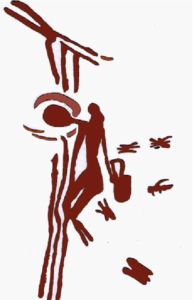
Colony Collapse Disorder
- Observations of Colony Collapse Disorder
- Latest developments on colony collapse disorder:
- Colony Collapse Disorder
By Luke Pontbriand , October 30, 2007
We had an observation hive experience CCD, (Colony Collapse Disorder), well, here are my observations. An observation hive is usually two frames in a wooden box with glass panels alongside the frames so you can look into it.
Ours was placed inside a window frame, instead of the window. Bees went to and from the hive via a clear, plastic, tube; roughly one to two centimeters in diameter on the inside, and it was pretty long, so bees had to walk a distance to enter or leave the hive.
In early July of 2004 they swarmed. Swarming is when a hive gets too big for its space and splits, one half leaves to find a new home, and the other stays. A few days later we began to hear something sounding like Canadian geese calling, but we could never see the geese. It took a few more days for us to realize it was the new queens calling challenges to each other from still within their cells.
I don’t know if that is normal or not, we only noticed it because we saw, watched and heard it all the time, (it was in a dining room window, right next to the table).
In all our other hives we only visited them when necessary, and besides, we could keep them from swarming, the observation hive was so small we could do nothing to prevent it from swarming. Anyway one queen hatched first, as usual, the hive did well and grew back to full strength, but not big enough to swarm.
It swarmed again in the same year, except this time, it was different, and it was something that can only be called CCD.
Here is what happened – the first thing that was peculiar was that it swarmed in mid-August. If you aren’t a bee expert you wouldn’t know that bees do not swarm that late. When they swarm they leave home with little to no food, they find a new home and start from scratch. Swarming that late in the year leaves them with no chance to rebuild or gather food in time for winter. Swarming that late leaves them with no chance for survival. They are not stupid. They just don’t do that sort of thing.
The second thing we noticed was that all the bees left. A handful stayed behind and opened up all the brood cells, then proceeded to kill the brood. When they were done they joined the swarm, which was, interestingly enough, in the exact same spot as they had swarmed to in July. The swarm stayed in that spot for three days until it died off. The hive had self-destructed.
We asked around but no one could make sense of it. Only now, after learning about CCD and remembering what happened back then do we realize, or at least believe that we witnessed CCD.
Beekeepers want precautions against Australian bee virus
By Kent Atkinson, Saturday, 8 September 2007
Suspicions that a virus found in Australian bees is triggering the widespread collapse of bee colonies in the United States may have serious implications for New Zealand, a senior scientist says.
“Because it’s a pathogen, it means we are at risk of getting it here,” said Hortresearch honey bee scientist Mark Goodwin.
And NZ beekeepers plan to ask biosecurity officials to block imports of Australian honey until the extent to which the virus has spread in Australia has been scientifically surveyed.
American researchers have used DNA sequencing on a huge scale and statistical analysis to identify Israeli acute paralysis virus (IAPV) as the common link to widespread deaths of worker bees, or a “marker” for the phenomenon.
“We can use it as a marker and we can use it to investigate whether it does in fact cause disease,” said Dr Ian Lipkin, a Columbia University epidemiologist who headed the study with Diana Cox-Foster, an entomologist from Penn State University.
The online edition of the journal Science yesterday published the study, which said that the virus may be combining with the effects of parasitic varroa mites – which can spread the virus – pesticides, poor nutrition, and the stress of being shuttled around the USA to pollinate crops.
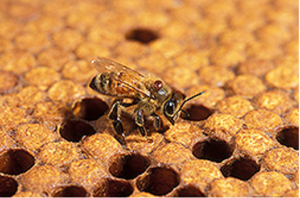
A Verroa mite is visible here on the back of this bee
Sampling of honeybees from decimated colonies turned up traces of the virus nearly every time, while bees untouched by the phenomenon were virtually free of it. DNA from 21 healthy colonies was compared with that from 30 affected by colony collapse. Researchers also investigated imported royal jelly from China and apparently healthy hives from Australia, and also found the virus in the Australian bees.
About 25 per cent of America’s beekeepers have reported colony collapse disorder has killed between 50 per cent and 90 per cent of their hives. The discovery that sterilising diseased hives with radiation killed the mystery infectious agent focused early attention on viruses, bacteria and fungi.
The researchers found IAPV in Australian bees, and they are now planning to go back through historical US samples to see if those imports – which began in 2004 – really were the first carriers. If they were, the US might consider closing its borders to Australian bees.
Dr Goodwin said the research raised the possibility that IAPV will be one more disease-causing organism New Zealand must try to keep at bay. “It’s very suggestive that this is the cause – the next thing the American researchers have to do is to try to deliberately infect bee colonies with the virus and get the same effect,” said Dr Goodwin.
National Beekeepers Association executive officer Jim Edwards told NZPA that his group would be asking biosecurity officials at the Ministry of Agriculture and Forestry (MAF) to take precautions against accidental import of the virus.
MAF began allowing imports of Australian honey late last year – including honey from Western Australia which had not undergone heat treatment – but temporarily stopped them while beekeepers fought a court case over the issue.
Before they were aware of that IAPV in Australia might be a factor in colony collapse, the NBA argued that MAF did not have the power to permit entry of “passenger” micro-organisms it knew would be in the honey. The case has been taken to the Appeal Court by the beekeepers.
Mr Edwards said beekeepers were already concerned about a new virus in their part of the world, but the possibility that it was triggering colony collapse in bees already affected by varroa called for early intervention by MAF.
“If it’s present in Australian bees, then there is a need to define in parts of Australia it is found and the extent to which it is a risk for New Zealand, where bees are already weakened by varroa,” he said.
Proof of Australian bees having triggered the colony collapse was unlikely to boost demand for NZ bees in the United States. The almond orchards in California which imported a lot of Australian bees flowered too early to suit bee imports from New Zealand. Also, if the virus was present in on both sides of the Pacific, the US would have nothing to lose by continuing imports.
A senior policy analyst at MAF Biosecurity, Paul Bolger, said NZ did not import live bees or bee semen from Australia, which were the most likely way bee viruses might be spread.
“The report in Science has only just been published and we are still assessing it to determine the appropriate steps to take,” he said. MAF was not aware of any evidence that IAPV was in New Zealand, and there had been not reports of symptoms of colony collapse disorder.
http://www.economist.com
It is a mystery that would tax the minds of the world’s greatest detectives. Across America beekeepers are finding hives abandoned. What appear to be normal, healthy adults suddenly disappear within two days, leaving their queen, their food stores and the young. In the past, a mass exodus would leave the hive to be ransacked by honeybees from neighbouring colonies. This time, not only is the retreat more common, but nearby bees seem strangely reluctant to enter the abandoned hives. There are no dead bodies, but scientists who have studied the corpses of the occasional remaining live adult report that they are ravaged by disease.
What could be going on?
The Department of Agriculture in America this week convened a workshop of apiarists and federal and university scientists to suggest some answers. Colony collapse disorder, as the phenomenon has become known as, was first reported in America in mid-November 2006. It spread rapidly, with beekeepers reporting heavy losses of between 30% and 90% of bees. Some 24 American states have now reported cases of colony collapse disorder. It has also been seen in Greece, Italy, Poland, Portugal and Spain.
Because the living bees that the scientists were able to study carried almost every virus and parasite known to infect honeybees, researchers are working on the idea that the insects’ immune systems have failed. Reducing the body’s ability to fight disease allows infection by a host of pathogens.
But exactly why this should happen is unclear. It could be that one disease, perhaps a new type of lurgy, invites the others to infect the bee, or that a pesticide performs this role.
The researchers interviewed beekeepers to see if some practices were more likely to lead to colony collapse. Initially they found that beekeepers who frequently moved their hives were more likely to be afflicted. This may point to an economic factor. Honey production is worth just $200m a year, but bees pollinate $15 billion-worth of fruit, vegetables and nuts, especially the $2 billion almond business. As the production of almonds has grown, the prices that the beekeepers can charge for their pollination services have increased. This has given them a reason to move their bees further and more frequently. Perhaps this constant moving is stressful for the bees and so depresses their immune systems.
And yet, simply moving the colonies cannot fully explain the disorder, because it has also been seen in bees that are not moved around.
The interviewers were able to eliminate some suspects from their inquiries. It makes no difference what the bees eat, what chemicals apiarists use to prevent disease in the hives, whether the bees are for pollinating or for making honey, or where the queens came from. A recent suggestion that mobile phones may play a part has also been dismissed.
The genome of the honeybee is yielding some clues. Researchers have compared it with that of other insects, including the fruit fly and the mosquito. They have found that bees cannot make an enzyme that other insects use to help eliminate toxins from the body. This could leave bees at risk of poisoning.
One intriguing possibility draws on the social nature of bees. Previous studies have shown that losing a few key workers can destroy an insect society. It may be that the solution to this particular mystery lies, as it often does in the human world, in social interactions. Scientific sleuths will be examining how certain key worker bees may have been targeted as part of their ongoing inquiries.
Sniffer Bees
http://www.thisishertfordshire.co.uk

Bees could be used as the next weapon to fight the war on terror, thanks to a small Hertfordshire research company.
Inscentinel Ltd in Harpenden, which leases a laboratory at the Rothamsted Research Centre, has been developing a unique project based on sniffer bees reacting to the scent of explosives. The company, which has only three scientists, was set up four years ago to work on a way to use the bee’s incredible sense of smell as a security measure.
Now the “black box” housing the bees could be arriving at railfreight depots and even airports and train stations in a year’s time to sniff out explosives such as those used in the London bombings or those which disrupted the airports last summer.
Stephen James, the managing director of the company, said: “You don’t actually see the bees because they are kept in a kind of black box’ – when people walk past the box a pump inside draws a slow flow of air over them. When the trained bees detect the smell of explosives they naturally react by sticking out their tongues which is picked up on image analysis software and converted into an alarm. To rule out false alarms the software only reacts when all the bees stick out their tongues.”
Each bee can recognise one smell and they only take ten minutes to train, whereas sniffer dogs take up to three months, which is why the bees were chosen for the project.
The company has also discovered bees can be trained to detect a number of smells including TB on breath and even dry rot.
The idea is now in its advance developing stages and the company is looking at engineering issues and increasing the number of bees in the system with backing from the Home Office and Government security agencies. Mr James said: “We are really pleased that so much of the project has been greeted with enthusiasm, with Japan and America inquiring about it already.”
“Having access to all the information available at the Rothamsted Research Centre has helped a great deal.”
“We believe it is a very cost-effective system costing a few thousand pounds, whereas traditional security equipment costs thousands more.”